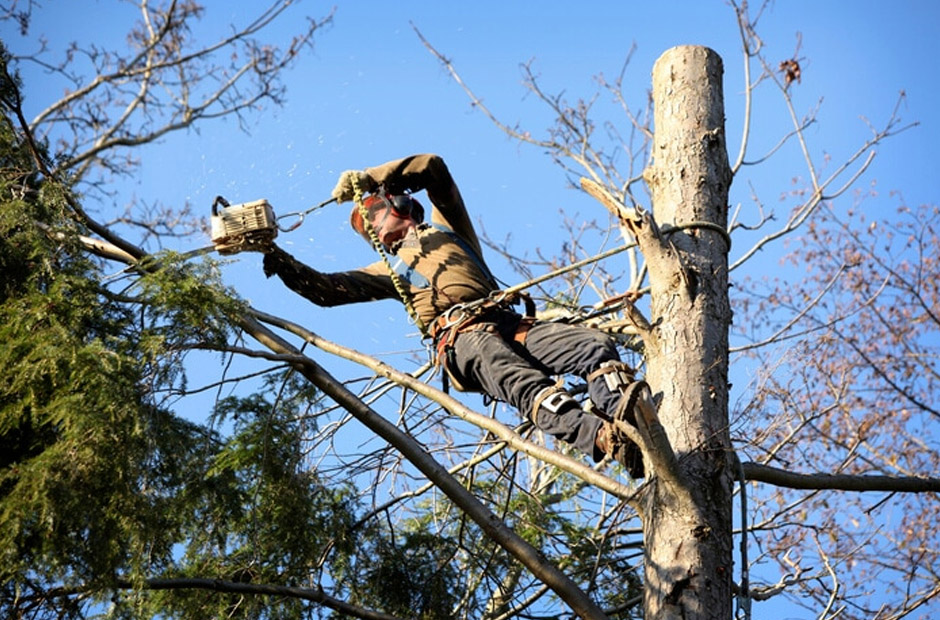
When buying a tree from an arborist, customers typically want to know what services are included. This can include the arborist’s inventory and their ability to help select the right tree for the right location and timing. Customers may also want to know if the arborist offers delivery, planting, or transplanting services, and whether they provide guidance on post-planting care. Here is more information about what an arborist offers:
1. Tree Planting Preparatory Steps
Before searching for a tree, it is key to prepare by evaluating the planting site. Evaluate the soil type, the total space available, sunlight exposure throughout the day, and drainage quality. These conditions affect the tree’s growth and long-term success. It can also help to observe nearby plants or trees, as they indicate soil fertility and microclimate conditions.
An arborist will help you evaluate the tree’s intended purpose when making a selection. Whether it is meant for privacy, shade, aesthetic appeal, or as a windbreak, the purpose influences which species will perform best. Check that the space is sufficient for the tree’s mature size, and think about how its roots and seasonal changes will interact with surrounding structures and landscaping. Researching local climate and disease resistance for potential species will further guide a suitable choice. Skilled arborists are able to make recommendations based on your unique aesthetic goals and soil type.
2. Tree Planting Location and Type
An arborist can help determine the best time and location to plant a tree. Seasonal conditions and soil readiness affect how well a tree will start to grow; the planting site should provide sufficient sunlight and space for the tree. A tree specialist may recommend locations and approaches that suit the property and tree species. Deciduous trees, such as oaks and elms, provide dense foliage and can offer shade and privacy. When planting for screening or wind protection, arborists may suggest species with full foliage near the ground, like magnolias or eastern red cedars. A professional will advise on whether to plant or transplant and on the methods that support healthy growth. Large shade trees have wide-spreading roots that are able to impact nearby structures. An arborist will help choose suitable planting locations and make sure the tree has enough room to grow safely. For homeowners looking to enhance their landscape, securing a reliable tree service in Mechanicsville and Southern Maryland ensures that every new planting is positioned for long-term health and beauty.
3. Tree Installation and Maintenance
When purchasing a tree, deciding whether to plant it yourself or work with an arborist can help guide which tree farm or service to contact. Post-planting care is often a key factor in this decision. Some arborists provide instructions for maintaining the tree, which may include guidance on watering, fertilizing, and pruning. Examples of such guidance include:
- Determining when and how often to water, and whether hand watering or a drip irrigation system is most suitable.
- Adjusting care after winter, such as knowing when to resume watering in spring and when to perform deep-root fertilizing or pruning as needed.
- Managing summer watering, including techniques for slow, deep watering using soaker hoses, zoned drip systems, or hand watering.
- Monitoring the tree’s overall condition, including checking for signs of pests or disease, and adjusting care practices as needed.
Work With a Local Arborist Today
Selecting a tree to plant involves more than choosing a species and purchasing it. Site conditions, including soil type, sunlight, space, and potential growth over time, should be carefully evaluated. Professional guidance will help clarify these factors. An arborist may assist with tree planting, relocation, and initial care, as well as provide advice on ongoing maintenance. This support allows property owners to plan for both the tree’s immediate placement and its long-term development. To make informed decisions about planting and care, consult a qualified arborist today.