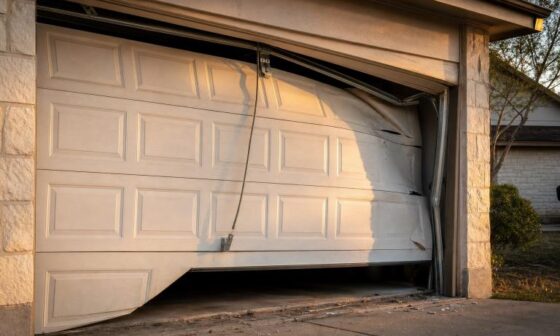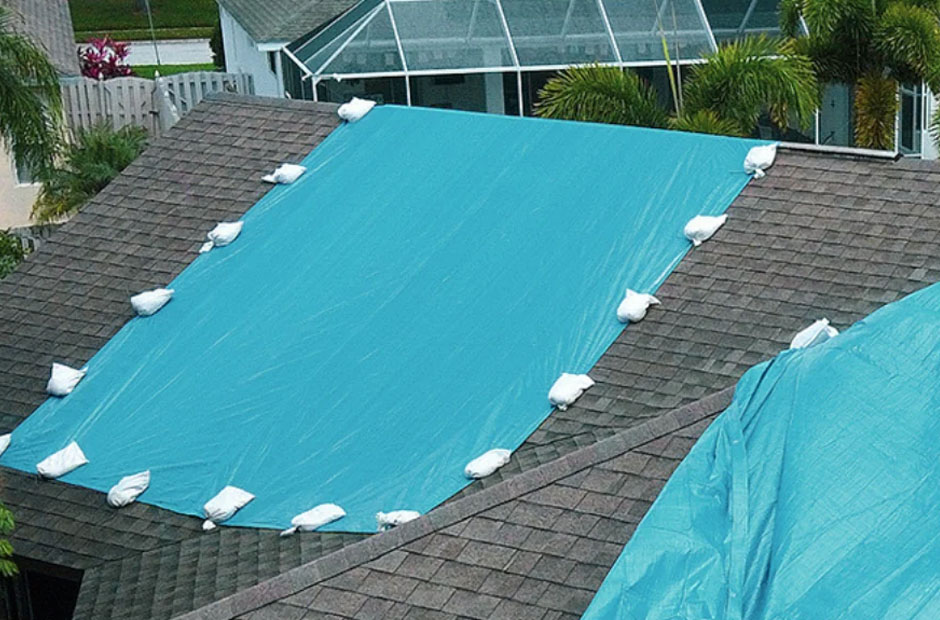
Storms can leave homes exposed and vulnerable within minutes. Strong winds, heavy rain, and flying debris may damage shingles, create openings, or loosen structural components. When this happens, quick action helps prevent further complications and protects the interior from additional harm. Many homeowners focus on visible destruction, yet hidden moisture and structural strain can develop rapidly without temporary protection.
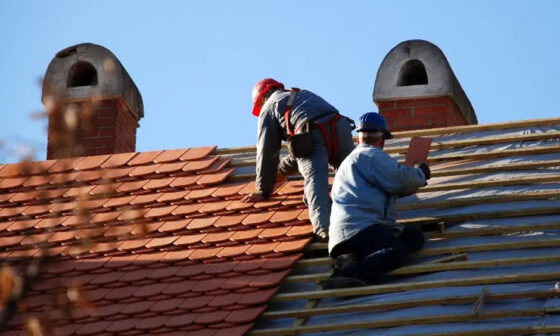
A temporary covering, such as a roof tarp, provides a practical solution during this critical period. It creates a protective barrier while professionals assess the condition and plan permanent repairs. This simple step helps limit damage, protect belongings, and maintain indoor comfort. The following sections explain the key reasons homeowners may consider this protective measure after storm-related damage.
1. Immediate Protection From Interior Water Damage
After a storm, water can seep through damaged areas and spread across ceilings, walls, and insulation. Even a small opening allows moisture to travel into hidden spaces, where it can weaken drywall and stain surfaces. Quick coverage helps block rain from entering the home while repair plans move forward.
Temporary coverage also reduces the chance of water reaching electrical wiring or lighting fixtures. Moisture in these areas can create safety concerns and increase repair costs. By securing protection early, homeowners help maintain a dry environment and reduce long-term complications. This proactive step keeps the home stable while professionals evaluate the damage thoroughly.
2. Prevent Structural Weakening Over Time
Storm damage does not always stop once the weather clears. Exposed areas may allow additional moisture to reach wooden beams, insulation, and supporting components. Over time, this exposure may weaken structural elements and create expensive repair needs.
Temporary coverage acts as a shield against repeated rain or moisture buildup. It helps maintain the strength of support systems and keeps interior materials intact. This protection also limits the risk of sagging ceilings or compromised framing. By addressing exposure quickly, homeowners help preserve the integrity of their property and avoid extended restoration work.
3. Protect Belongings and Indoor Air Quality
Storm-related exposure can affect more than structural components. Personal belongings and indoor air quality also face risk when moisture enters the home. Temporary protection helps reduce these concerns and supports a healthier indoor environment.
Key Areas That Benefit From Temporary Coverage
- Furniture and electronics remain protected from water stains and damage.
- Flooring materials stay dry, preventing warping or discoloration.
- Insulation maintains its effectiveness and comfort levels.
- Stored items in attic spaces remain safe from moisture exposure.
- Indoor air stays cleaner by limiting damp conditions.
By keeping interior spaces dry, homeowners maintain comfort and reduce disruptions. This added protection also supports a smoother repair process and preserves valuable items.
4. Supports Insurance Documentation and Claims
Storm damage claims require clear documentation and evidence of preventive action. Temporary protection demonstrates that homeowners took reasonable steps to reduce additional harm. This approach may support smoother communication during the claims process.
Coverage also helps maintain the condition of the damaged area until inspection takes place. Adjusters can review the initial impact without additional complications caused by ongoing exposure. When professionals install a roof tarp, they create a controlled environment that protects the structure and preserves visible damage for accurate evaluation.
Storm damage can create immediate and long-term challenges for homeowners. Temporary protection provides a practical solution that helps preserve structural strength, protect belongings, and support a smoother repair process. By securing coverage quickly, homeowners maintain stability and comfort while professionals prepare permanent restoration. Taking prompt action after severe weather helps safeguard the home and supports a more efficient path toward full recovery.