Choosing the right breaking equipment can make the difference between steady progress and constant delays on a demolition site. Have you ever noticed how some tools handle tough materials with ease while others slow everything down? The answer usually comes down to proper selection. This article explains practical tips that help in choosing equipment that supports efficiency, safety, and consistent performance.
Heavy-duty tools are built to manage demanding tasks, but not every option suits every job. Equipment such as a hydraulic breaker hammer is commonly used when dealing with dense materials that require a strong impact force. This article shares five clear tips that help guide better decisions when selecting breaking equipment for different demolition needs.
1. Match Equipment To Material Type
The type of material being broken plays a major role in selecting the right equipment. Concrete, asphalt, and reinforced structures each require different levels of force and precision. Using the wrong tool can lead to slow progress and unnecessary wear.
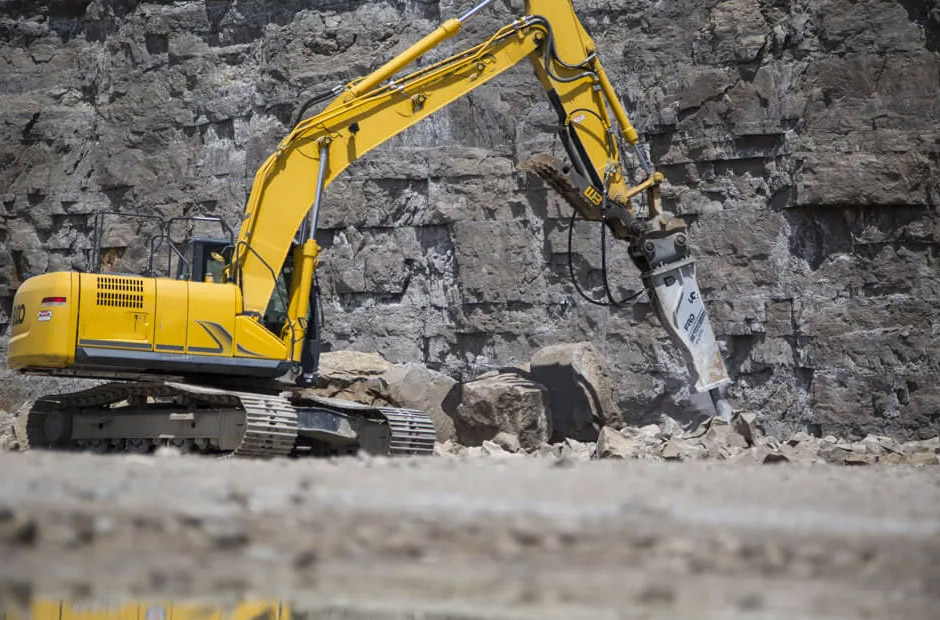
Understanding material density helps in choosing suitable equipment. A hydraulic breaker hammer, for example, works well for heavy concrete surfaces where a strong impact is needed. Matching equipment to material ensures smoother performance and reduces strain on both tools and operators.
2. Check Power And Impact Capacity
Power and impact capacity determine how effectively equipment can break through tough surfaces. Tools with insufficient power may struggle to complete tasks efficiently. This leads to longer working hours and increased effort.
Higher impact force allows faster material breakdown without repeated attempts. However, balance is important, as excessive power may affect control. Choosing equipment with the right capacity helps maintain both efficiency and accuracy during demolition work.
3. Consider Equipment Size And Compatibility
Equipment size should align with the machinery and workspace available on site. Oversized tools can become difficult to handle, especially in confined areas. Smaller tools may lack the strength needed for heavy-duty tasks.
Compatibility with carriers such as excavators or loaders is also important. Proper fit ensures stable operation and prevents performance issues. Selecting the right size supports better control and improves overall work efficiency.
4. Evaluate Durability And Maintenance Needs
Durability is essential for equipment used in demanding environments. Frequent breakdowns can disrupt work and increase costs. Choosing tools made from strong materials helps maintain consistent performance.
Maintenance requirements should also be considered before making a decision. Equipment that is easy to inspect and service helps reduce downtime. Reliable tools support continuous workflow and allow teams to stay on schedule without interruptions.
5. Seek Guidance From Experienced Professionals
Professional input can help simplify the selection process. Experts understand how different tools perform under specific conditions. Their advice helps identify equipment that fits both the task and the work environment.
Consulting experienced professionals also reduces the risk of choosing unsuitable equipment. They can recommend options based on practical knowledge and past projects. This guidance supports better decisions and helps improve overall efficiency on-site.
Choosing heavy-duty breaking equipment requires careful attention to material type, power, size, and durability. Each factor plays a role in how effectively the tool performs during demolition work. Equipment highlights how the right choice can improve efficiency without adding complexity. With proper evaluation and expert input, it becomes easier to select tools that support smoother operations, reduce delays, and maintain consistent performance across different tasks.