Loneliness affects millions of older adults across the country, creating health challenges that extend far beyond emotional discomfort. Research has documented that social isolation among seniors correlates with increased rates of depression, anxiety, and even physical health complications. Retirement communities address this pervasive problem by intentionally designing environments where connection and engagement become central to daily life. Understanding how these communities combat isolation provides valuable insight into why many older adults thrive in such settings.
1. Structured Social Activities and Programs
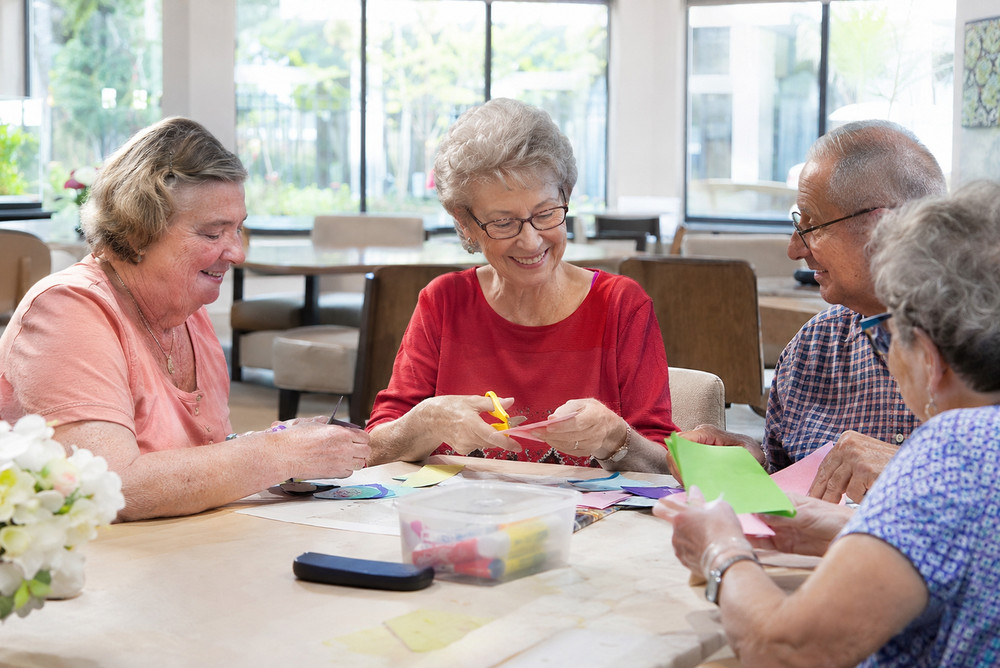
Retirement communities organize regular events and activities that bring residents together around shared interests and experiences. From fitness classes and game nights to cultural outings and hobby groups, these programs create natural opportunities for residents to interact with peers who share similar backgrounds and life stages. Unlike isolated living situations where seniors must independently seek out social engagement, retirement communities remove the logistical barriers by bringing activities directly to residents. For example, a community might host weekly movie nights, art classes, or book clubs that encourage participation without requiring residents to travel or make complicated arrangements. The structured nature of these activities also helps establish routines, which many older adults find comforting and motivating. By reducing the effort required to socialize, retirement communities make connection the path of least resistance rather than an optional extra.
2. Built-in Proximity and Community Living
The physical design of retirement communities inherently promotes social interaction through shared spaces and walkable environments. Rather than living in isolated single-family homes where neighbors may rarely interact, retirement community residents live in close proximity to dozens or hundreds of peers. Common areas such as dining rooms, lounges, libraries, and outdoor spaces serve as natural gathering points where casual conversations flourish. Residents walking to meals or activities frequently encounter neighbors, creating spontaneous opportunities for connection that simply do not occur in traditional housing arrangements. Aston Gardens at the Courtyards reflects this design philosophy, with a thoughtfully planned environment where daily routines naturally draw residents into shared spaces and meaningful interaction. This proximity transforms what might otherwise be a solitary walk into a social experience, whether residents pause to chat on a pathway or join neighbors heading to the same event.
3. Diverse Programming for Different Interests
Retirement communities recognize that social isolation cannot be addressed with a one-size-fits-all approach, which is why comprehensive communities offer programming that appeals to diverse interests and activity levels. Residents with varying mobility levels, cognitive abilities, and personal preferences all find opportunities suited to their circumstances. Some communities offer technology clubs for digitally inclined residents, while others host gardening groups, craft circles, volunteer opportunities, or spiritual and wellness programs. This diversity ensures that residents with specific passions or needs do not feel sidelined or unable to find their community within the larger group. A resident who loves nature finds gardening clubs, while someone passionate about current events might join discussion groups. The presence of numerous activity options increases the likelihood that every resident discovers at least one venue where they feel welcomed and engaged.
4. Intergenerational Connections and Volunteer Opportunities
Many retirement communities actively facilitate connections between older adults and younger generations through volunteer programs, mentoring initiatives, and intergenerational events. These programs recognize that social engagement extends beyond peer-to-peer connections and can powerfully combat isolation when it spans age groups. Residents might volunteer at schools, tutor students, participate in oral history projects with college students, or mentor younger community members in their fields of expertise. Such opportunities provide residents with a sense of purpose and contribution, which directly counters the feeling of irrelevance that often accompanies social isolation. For example, a retired teacher might lead a tutoring program, or a former tradesperson might mentor younger generations learning a craft. These connections simultaneously benefit residents, younger participants, and the broader community, creating meaningful engagement that extends beyond the retirement community walls.
5. Professional Support and Intentional Community Culture
Retirement communities employ staff members specifically trained to recognize and address signs of social isolation among residents. Care coordinators, activity directors, and wellness specialists actively work to draw out isolated residents and connect them with appropriate programs and peer groups. Beyond individual outreach, communities intentionally cultivate a culture of acceptance and belonging where residents feel valued and included regardless of background or ability level. Staff members notice when a resident has become withdrawn and take proactive steps to reengage them, whether through personal invitations to activities, introductions to compatible peers, or connections to counseling and mental health resources. Many communities also host resident-led committees and leadership opportunities that give residents a voice in community life and create additional avenues for meaningful social involvement. This professional attention to community culture sets retirement communities apart from informal or ad-hoc social arrangements.
Conclusion
Retirement communities address social isolation through comprehensive approaches that combine environmental design, structured programming, professional support, and intentional community culture. The combination of proximity, diverse activities, built-in peer groups, and professional guidance creates conditions where social connection becomes natural and sustainable rather than something older adults must independently pursue. As the challenges of late-life isolation receive increasing recognition from healthcare and policy communities, retirement communities represent one of the most direct solutions currently available. For many older adults, the move to a retirement community marks a transformation from isolated living to active engagement with a supportive peer community. Understanding these mechanisms helps both prospective residents and their families recognize the meaningful role these communities play in promoting healthy, connected aging.