A sudden disaster can turn your safe haven upside down. The critical first hours following a storm, flood, burst pipe, or fire often determine the extent of the destruction. Taking swift, calculated action minimizes secondary damage and can save you thousands of dollars in costly repairs down the road.
Immediate Safety Procedures and Utility Shut-offs
Your absolute first priority during any home emergency is safety. Buildings compromised by severe weather, fire, or heavy flooding pose significant risks to anyone inside. Before you attempt to save your property, you must ensure the environment is secure.
Start by assessing the utilities. Water and electricity are a deadly combination. If you experience major flooding, do not wade into standing water until the main power is disconnected. Locate your home’s main electrical panel and switch off the main breaker. If you must step in water to reach the panel, wait for professionals or call your utility company.
Next, address the gas and water lines. If you smell gas or hear a hissing sound, evacuate the premises immediately and call your gas provider. If it is safe to do so, use a wrench to turn off the main gas valve. Similarly, if a burst pipe is flooding your house, locate the main water shut-off valve and turn it clockwise to stop the flow of water into the property.
Step-by-Step Water Damage Mitigation
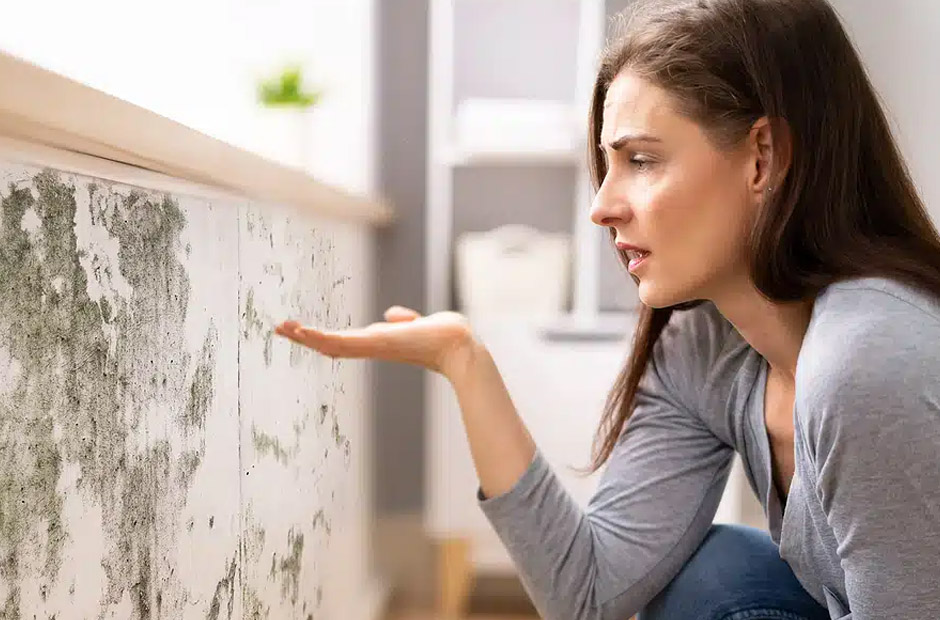
Water acts quickly, soaking into drywall, warping hardwood floors, and creating the perfect environment for mold growth. Once you have safely shut off the power and water source, you must start removing the moisture.
Remove Standing Water
Use a wet/dry vacuum, mops, and buckets to extract as much standing water as possible. The longer water sits, the deeper it penetrates your home’s structural materials.
Clear Out Belongings
Move furniture, rugs, and personal items out of the wet area. Place aluminum foil or wood blocks under the legs of heavy furniture that you cannot move. This prevents wood stains or rust from transferring onto wet carpets.
Increase Airflow
Open windows and doors if the weather outside is dry. Set up heavy-duty fans and dehumidifiers to circulate the air and pull moisture out of the room. Mold can begin growing within 24 to 48 hours, making rapid drying essential.
Securing the Property: Board-ups and Tarping
High winds, fallen trees, and severe hail can break windows, tear off siding, and damage your roof. Leaving your home exposed to the elements invites rain, pests, and even intruders inside.
Boarding up broken windows and doors is a crucial temporary fix. Measure the broken openings and cut exterior-grade plywood to fit over them. Secure the plywood using heavy-duty screws, anchoring them deep into the framing around the window or door.
If your roof has sustained damage, you will need to apply a roof tarp. Purchase a thick, woven polyethylene tarp that extends at least three feet beyond the damaged area. Secure the tarp using wooden furring strips and nails, making sure it is pulled tight to prevent water from pooling or wind from lifting it away. Always use extreme caution when climbing on a damaged or slippery roof.
When to Call the Pros
Some emergencies are simply too large or hazardous for a homeowner to handle alone. Recognizing your limits is vital for your safety and the preservation of your home.
You should contact professional restoration companies if the damage involves structural instability, electrical hazards, or contaminated water. For example, sewage backups contain dangerous pathogens that require specialized biohazard cleaning protocols. Extensive mold growth also requires professional remediation to prevent spores from spreading through your HVAC system.
If you live in Utah and experience a severe plumbing failure, reaching out to experts for water damage cleanup services in Salt Lake City can make a massive difference. Professional crews bring industrial-grade extractors, thermal imaging cameras to find hidden moisture, and commercial dehumidifiers that dry out your home much faster than standard consumer equipment.
Documenting Losses for Insurance Claims
Before you throw away damaged items or begin making major repairs, you need to document the scene thoroughly. Your insurance company requires clear evidence of the destruction to process your claim accurately.
Take extensive photos and videos of all the damage. Capture wide shots of affected rooms and close-up images of specific damaged items. Do not alter the scene more than is necessary for safety and basic mitigation.
Create a detailed inventory list of ruined possessions. Include the brand names, model numbers, dates of purchase, and approximate values of the items. Keep all receipts for emergency repairs, equipment rentals, and hotel stays if you are forced to evacuate. This paper trail is essential for getting the maximum reimbursement from your insurance provider.
Long-term Prevention Strategies
Once the immediate crisis has passed and your home is repaired, shift your focus to prevention. A few proactive maintenance steps can stop future emergencies from happening.
Inspect Your Roof and Gutters
Check your roof twice a year for missing shingles or damaged flashing. Clean your gutters and downspouts regularly so rain can flow freely away from your foundation.
Maintain Your Plumbing
Inspect the hoses on your washing machine, dishwasher, and refrigerator annually. Replace old rubber hoses with steel-braided ones that are less likely to burst. Install a smart water leak detector that can send an alert to your phone and automatically shut off your water main if a leak occurs.
Trim Surrounding Trees
Cut back dead or overhanging tree branches that could fall on your roof during a severe storm. Keeping your landscaping properly maintained reduces the risk of impact damage.
Conclusion
Dealing with home damage is incredibly stressful. However, knowing exactly how to respond brings a sense of order to the chaos. By prioritizing safety, shutting off utilities, mitigating water, and securing the exterior, you create a solid defense against secondary destruction.