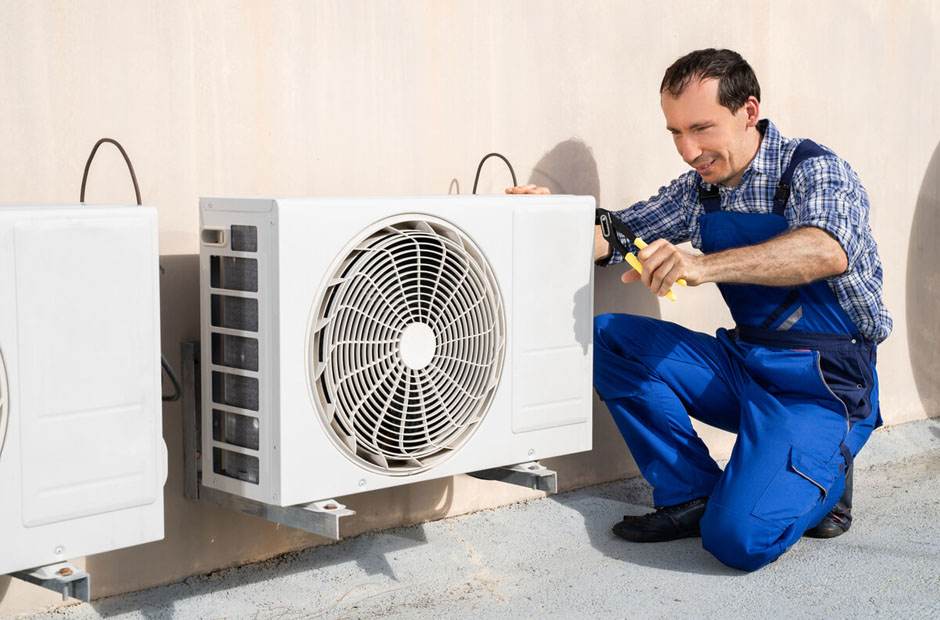
Professional AC installation affects how your home regulates temperature, airflow, and humidity across seasons. The efficiency and lifespan of the unit mainly depend on consistent upkeep. When you stay on top of your unit’s maintenance, you keep the system running as intended and reduce the likelihood of unexpected breakdowns. Here are a few tips for maintaining your AC after installation:
Replace Air Filters Regularly
Your AC filter collects dust, pollen, and airborne particles that would otherwise circulate through your system. Over time, this buildup restricts airflow, which adds unnecessary pressure on the unit’s internal components. As airflow slows, the system runs longer cycles and struggles to balance indoor temperature and air conditions. When you check and replace filters on a regular schedule, airflow improves, supporting even distribution of cool air throughout your indoor space.
Filter replacement frequency varies depending on your household conditions. Most homes need replacement every few months, but households with pets, high dust levels, and allergy-sensitive occupants may need more frequent changes. Establishing a routine inspection schedule for filters allows you to identify issues early, such as buildup, wear, or reduced efficiency, and monitor how they change over time.
Choosing the right filter also makes a difference. AC filters are rated on the MERV scale, with higher-rated filters capturing finer particles more effectively. While effective at capturing fine contaminants, these filters also restrict airflow if your system is not designed to handle them. Before upgrading to higher-efficiency filters, seek professional help to make sure it will work with your unit.
Monitor Thermostat Settings
The thermostat acts as the control center for your AC system, which affects how the unit cycles on and off throughout the day. When temperatures change frequently, the system responds by starting and stopping more often. Inaccurate thermostat settings cause the system to cycle outside its intended parameters, resulting in longer or shorter cycles. Long or short cycling affects system efficiency and component wear over time.
Programmable or smart thermostats help maintain consistent indoor temperatures without the need for constant manual changes. Smart thermostats learn your schedule and adjust settings automatically as prevailing conditions change. This adjustment tends to regulate energy use while maintaining balanced indoor conditions. Although occasional thermostat adjustments occur, limiting frequent changes helps maintain consistent indoor heating and cooling.
Monitor for Unusual Noises
Your AC unit makes a consistent sound during normal operation, and any deviation from that baseline is worth paying attention to. In most cases, new or irregular noises often point to changes within internal components or airflow patterns. Listen for sounds such as rattling, banging, or clicking, especially when the system starts or stops. A rattling noise typically points to loose components or debris caught in the outdoor unit, while a banging noise may indicate a displaced part inside the system. Because changes in sound patterns tend to point to an underlying issue, noticing them early allows you to respond before minor problems escalate.
Schedule Professional Inspections
A professional inspection provides access to internal components that are not visible during routine checks. Technicians review refrigerant levels, electrical connections, and system controls as part of the process. These elements are set during AC installation, and periodic evaluation helps confirm that they remain within expected ranges. During the visit, temperature differences and thermostat response may also be tested to verify system performance. If minor changes develop over time, they are easily identified and adjusted before they affect normal operations.
Hire an AC Installation Company
Your AC system continues to respond to how it is used each day and the attention it gets between professional visits. Consistent indoor conditions, improved air quality, and extended system’s lifespan are some of the benefits you get from maintaining your unit. When you keep a record of any changes you observe or make during routine checkups, you can give technicians a good basis for professional inspection. For professional guidance on ongoing maintenance after AC installation, talk to a reputable air conditioning company near you.