Your roof does more than sit on top of your house. It protects everything beneath it, from structural framing to insulation and interior finishes. A well-built roof also improves curb appeal and can even influence how efficiently your home manages heat and moisture. When homeowners think about upgrades, roofing is often one of the most important yet complex decisions they face.
In a place like Memphis, where summers are hot and humid, and storms can roll in quickly, roofing choices carry even more weight. The material you choose needs to handle temperature swings, moisture buildup, and occasional severe weather. That is why selecting the right roofing system is not just about looks. It is about performance, durability, and long-term value.
Understanding Your Roofing Options: Where to Start
Choosing a roofing material can feel overwhelming because there are so many options available today. Each material comes with different strengths, costs, and maintenance requirements. Homeowners need to think beyond appearance and consider durability, energy efficiency, and how well the material will perform over time. It is also important to factor in how long you plan to stay in the home and whether you are prepared for ongoing maintenance or prefer a low-maintenance option.
Location plays a major role in narrowing down the right choice. Weather conditions, humidity levels, and seasonal storms can all impact how well a roof holds up. In areas with frequent heat and moisture, some materials will naturally perform better than others. That is why understanding local conditions and construction standards becomes a key part of the decision-making process. Local experts understand how regional weather patterns and building codes affect roofing performance. If you are looking for a trusted contractor for services like roofing Memphis has many professionals who have years of experience.
Asphalt Shingles: Affordable and Versatile
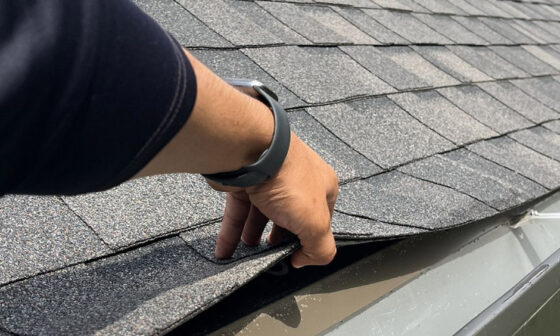
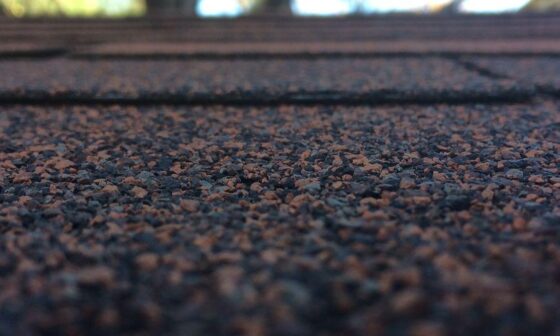
Asphalt shingles remain one of the most popular roofing materials for a reason. They are budget-friendly, widely available, and relatively simple to install. Many homeowners choose them because they offer a solid balance between cost and performance, making them a practical option for both new builds and replacements.
Another advantage is their versatility. Asphalt shingles come in a wide range of colors and styles, allowing you to match different architectural designs. However, they do have limitations. Their lifespan is shorter than that of premium materials, and they can wear down faster in areas with intense heat or strong winds. Regular maintenance helps extend their usability.
Metal Roofing: Durable and Energy Efficient
Metal roofing has gained popularity for its long lifespan and durability. When installed correctly, it can last several decades, making it a strong long-term investment. Many homeowners also appreciate its resistance to fire, insects, and rot, which adds another layer of protection.
Energy efficiency is another major advantage. Metal roofs reflect solar heat rather than absorbing it, helping to keep indoor temperatures lower and reduce cooling expenses during warmer seasons. Still, the upfront cost is higher than that of asphalt, and installation requires skilled professionals. Noise from heavy rain can also be a concern, though proper insulation often minimizes it.
Slate and Tile Roofing: Premium Style and Longevity
Slate and tile roofing offer a distinct, high-end appearance that many homeowners find appealing. These materials are known for their durability and can last for decades, sometimes even over a century, with proper care. They also resist fire and moisture effectively, making them reliable in a wide range of conditions.
Despite their benefits, they are not suitable for every home. Both slate and tile are heavy, so the house’s structure must be able to support the added weight. Installation costs are also higher, and repairs can be more complex. However, for homeowners focused on long-term value and aesthetics, they remain a strong option.
Synthetic and Composite Materials: Modern and Eco-Friendly Options
Synthetic and composite roofing materials have become more common as homeowners seek alternatives to traditional roofing materials. These products are typically made from engineered polymers, rubber, or recycled materials. They are designed to mimic the look of slate, wood, or tile without the added weight or cost.
One of their biggest advantages is durability combined with lower maintenance. Many synthetic options resist cracking, fading, and impact damage better than natural materials. However, quality can vary depending on the manufacturer. It is important to research brands and ensure proper installation to get the expected lifespan and performance.
Climate Considerations: Choosing Materials for Your Environment
Climate plays a major role in how well a roofing material performs over time. In regions with high humidity and heat, like Memphis, materials must resist moisture buildup and UV exposure. Poor material choices can lead to faster wear, mold growth, or structural issues.
Storm resistance is another key factor. Strong winds and heavy rain can damage weaker materials or poorly installed systems. Homeowners should prioritize roofing options that are rated for local weather conditions. Choosing a material suited to your environment reduces long-term repair costs and improves overall reliability.
Cost vs. Value: Balancing Budget and Long-Term ROI
Roofing costs can vary widely depending on the material, labor, and project complexity. While it may be tempting to choose the lowest upfront option, that approach can lead to higher expenses later. Cheaper materials often require more frequent repairs or earlier replacement.
A better strategy is to focus on long-term value. Materials with higher initial costs may offer longer lifespans, better warranties, and improved energy efficiency. When you look at total ownership costs over time, investing in a more durable option often makes financial sense and adds to your home’s resale value.
Installation and Maintenance: Ensuring Long-Term Performance
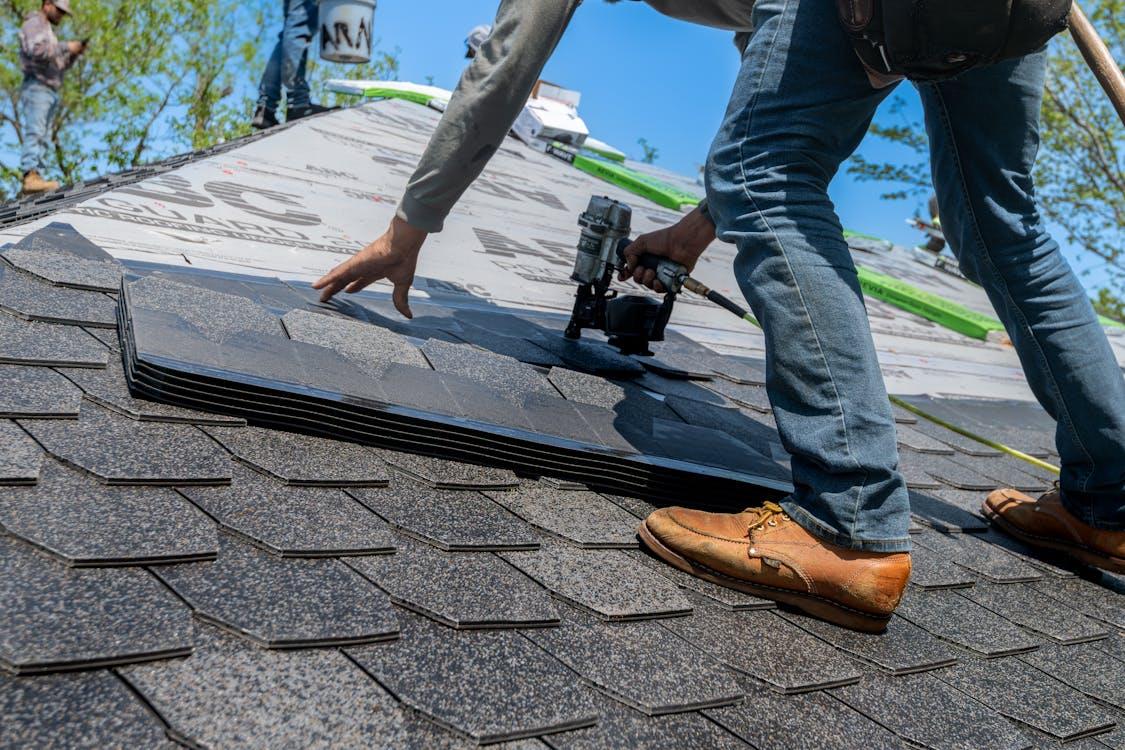
Even the best roofing material can fail if it is not installed correctly. Proper installation ensures the system is sealed, ventilated, and secured in accordance with industry standards. This reduces the risk of leaks, structural damage, and premature wear.
Ongoing maintenance is just as important. Regular inspections, especially after storms, help catch small issues before they become major problems. Cleaning gutters, removing debris, and addressing minor damage early can significantly extend your roof’s lifespan and protect your investment.