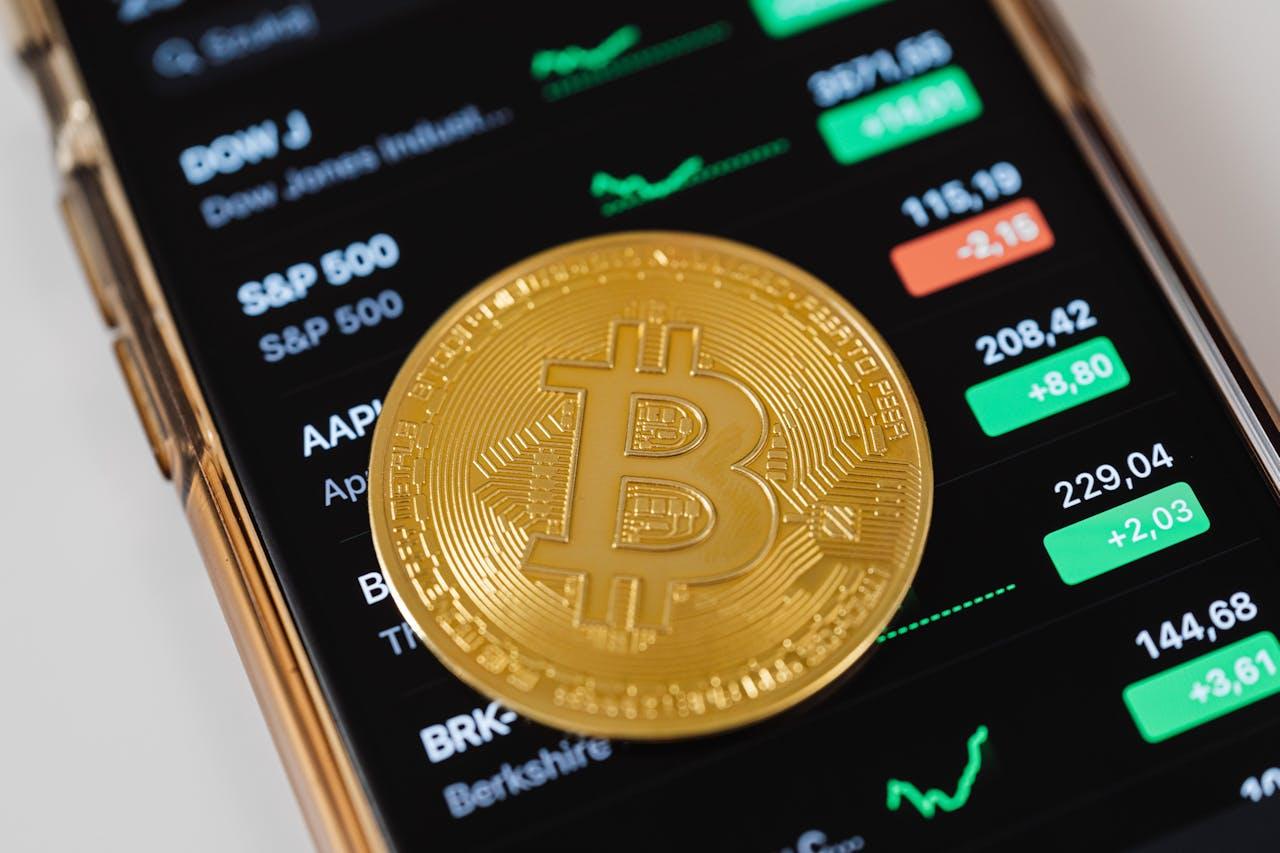
Entering digital asset markets brings plenty of fresh concepts to learn. You might have heard people talking about trading contracts instead of buying actual coins. This method offers a distinct way to participate in market movements without holding the underlying asset.
It sounds complex at first glance. Yet breaking down the core mechanics makes the process much easier to grasp.
Futures Let You Bet on Price without Owning the Asset
Purchasing digital assets directly requires you to store them securely. Futures contracts remove that requirement entirely. You are agreeing to buy or sell an asset at a specific price on a set future date. You speculate on where the price will go.
People often expand their strategies while exploring crypto options trading alongside futures to diversify their portfolio. These instruments give you flexibility because you never have to worry about the actual custody of the coin. You focus purely on the price action itself.
Moving beyond basic buying and selling opens up new tactical doors. Tools provided on platforms like Bitgo allow users to manage their digital wealth securely. Knowing you have reliable infrastructure lets you concentrate on your trading strategy.
Leverage Amplifies Wins and Losses Equally
Trading these contracts usually involves borrowed capital. You put down a small amount of your own money to control a larger position. This concept magnifies your potential profits significantly. A slight upward movement in price can yield substantial returns.
However this same mechanism works in reverse with equal force. A small drop in price will magnify your losses just as quickly. Managing your risk becomes the most critical skill you can develop here. You must always calculate your potential downside before entering any trade.
Expiration Dates Mean Positions Don’t Last Forever
Standard contracts come with a built in ticking clock. They expire on a predetermined date. When that date arrives the contract settles and you realize your final profit or loss. This creates a hard deadline for your market predictions to play out.
You cannot hold a losing position indefinitely hoping it will recover eventually. You must time your trades carefully and stay aware of the settlement schedule.
Long and Short Bets Work the Same Way Just Opposite
Predicting a price increase means you take a long position. You expect the asset value to rise so you can close the contract at a higher price later. Conversely predicting a price drop means you take a short position. You aim to sell high now and buy back lower later.
The mechanics for both directions remain exactly the same. You execute the trade using the same interface and margin requirements.
Liquidation Happens Fast When the Market Moves Against You
Using borrowed funds requires you to maintain a minimum account balance. If the market turns sharply against your prediction your available margin shrinks rapidly. The exchange will automatically close your position if your funds drop below the required maintenance level.
This forceful closure is known as liquidation. It protects the exchange from absorbing your losses. You will lose your initial margin when this occurs. Setting strict stop loss orders prevents this scenario from happening.