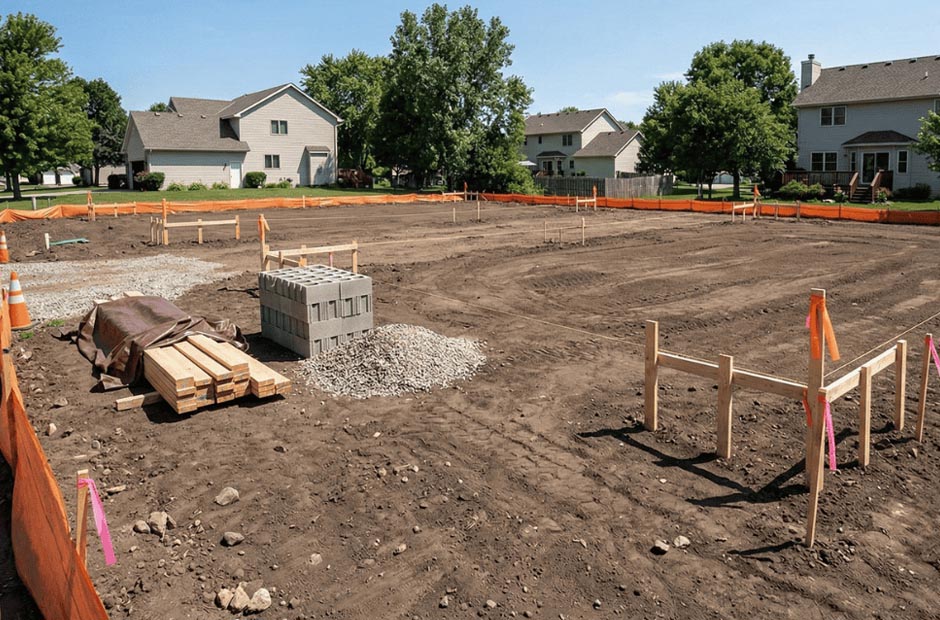
Most ground projects do not fail because of what happens during the work. They fail because of what was missed before it even began. Rushing into excavation without proper preparation often leads to delays, unexpected costs, and safety risks that could have been avoided.
A well-prepared project feels different from the start. Decisions are clearer, progress is smoother, and problems are easier to manage when they arise. Getting the groundwork right is what makes everything else easier.
Even seemingly simple tasks, such as auger drilling, rely heavily on preparation. Without a clear plan and understanding of the site, small oversights can quickly turn into bigger issues.
Understand the site before breaking ground
Look beyond what you can see
The surface rarely tells the full story. Soil conditions can change within a short distance, and what looks stable may not be once work begins.
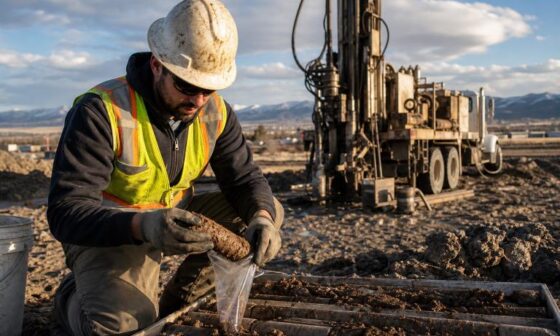
Testing and assessing the ground helps you understand how it will behave under pressure. This is especially important for projects that involve depth or structural support.
Identify underground services early
Striking a hidden utility line is one of the most disruptive mistakes you can make. Water pipes, gas lines, and electrical cables are often buried where you least expect them.
Locating and marking these services before starting work reduces risk and keeps the project moving without interruption.
Define a clear plan
Set clear objectives
Before any work begins, you need to know exactly what you are trying to achieve. This includes depth, layout, and how the excavation fits into the overall project.
A clear plan removes guesswork and helps everyone stay aligned.
Break the work into stages
Large projects become easier to manage when they are divided into smaller steps. Each stage should have a defined outcome and timeline.
This approach keeps progress steady and makes it easier to spot issues early.
Choose the right tools and methods
Match equipment to the job
Different ground conditions require different tools. Using equipment that is not suited to the task can slow progress and reduce accuracy.
Selecting the right machinery improves efficiency and helps maintain consistency.
Avoid relying on assumptions
What worked on a previous project may not work here. Conditions change, and each site has its own challenges.
Taking the time to evaluate your approach ensures that your methods are appropriate.
Prioritise safety from the start
Identify risks before they become problems
Ground work comes with a range of hazards, from unstable soil to heavy equipment movement. Ignoring these risks early can lead to serious consequences later.
A proper risk assessment allows you to prepare for these challenges.
Put clear procedures in place
Safety should not be something you figure out as you go. Clear procedures, proper training, and the right protective measures should be in place before work begins.
When safety is built into the process, it becomes part of how the project runs.
Prepare the site properly
Clear and organise the workspace
Removing debris, obstacles, and unnecessary materials creates a safer and more efficient environment. It also makes it easier to position equipment and move around the site.
An organised site supports smoother operations.
Mark boundaries and key points
Clearly marking out where work will take place helps prevent errors. It ensures that everyone is working within the correct limits and following the same plan.
Accurate marking is one of the simplest ways to improve precision.
Account for environmental factors
Plan around weather conditions
Weather can have a significant impact on ground work. Rain can soften soil, while dry conditions can create dust and reduce visibility.
Checking forecasts and planning accordingly helps avoid unnecessary disruptions.
Consider drainage and water flow
Water management is often overlooked until it becomes a problem. Poor drainage can lead to erosion, instability, and long-term damage.
Planning for water flow ensures that the site remains stable throughout the project.
Communicate clearly with everyone involved
Keep information consistent
Miscommunication is a common cause of mistakes. When instructions are unclear or inconsistent, errors are more likely to occur.
Making sure everyone understands the plan reduces confusion.
Address issues quickly
Problems are easier to fix when they are identified early. Encouraging open communication allows small issues to be resolved before they grow.
A team that communicates well works more efficiently.
Set realistic expectations
Avoid rushing the preparation phase
There is often pressure to start work quickly, but skipping preparation usually leads to delays later. Taking the time to plan properly saves time overall.
Preparation should be seen as an investment, not a delay.
Allow for flexibility
Even with careful planning, unexpected challenges can arise. Building some flexibility into your timeline helps you respond without derailing the project.
A balanced approach keeps things moving without unnecessary stress.
Think ahead to what comes next
Preparation affects future stages
Ground work is only one part of a larger process. The decisions made at this stage will influence everything that follows.
Keeping the bigger picture in mind helps ensure that your work supports the overall outcome.
Avoid creating hidden problems
Shortcuts and rushed decisions can lead to issues that only appear later. Doing the job properly from the start reduces the need for costly fixes.
Good preparation sets a strong foundation for success.
Bringing it all together
Preparing properly before starting any ground project is about more than ticking boxes. It requires attention to detail, clear planning, and a willingness to slow down at the right time.
When the groundwork is done well, the rest of the project becomes easier to manage. Progress feels smoother, risks are reduced, and the final result is more reliable.
Taking preparation seriously is one of the simplest ways to improve outcomes and avoid unnecessary complications.