It often starts with a small discomfort. A slight itch, a burning feeling, or a change that just does not feel quite right. Many people brush it off at first, hoping it will go away on its own.
But when symptoms linger or become more noticeable, it can lead to worry. Questions come up quietly. Is this something minor, or is it a sign of something more serious. For many, the uncertainty is often more stressful than the symptom itself.
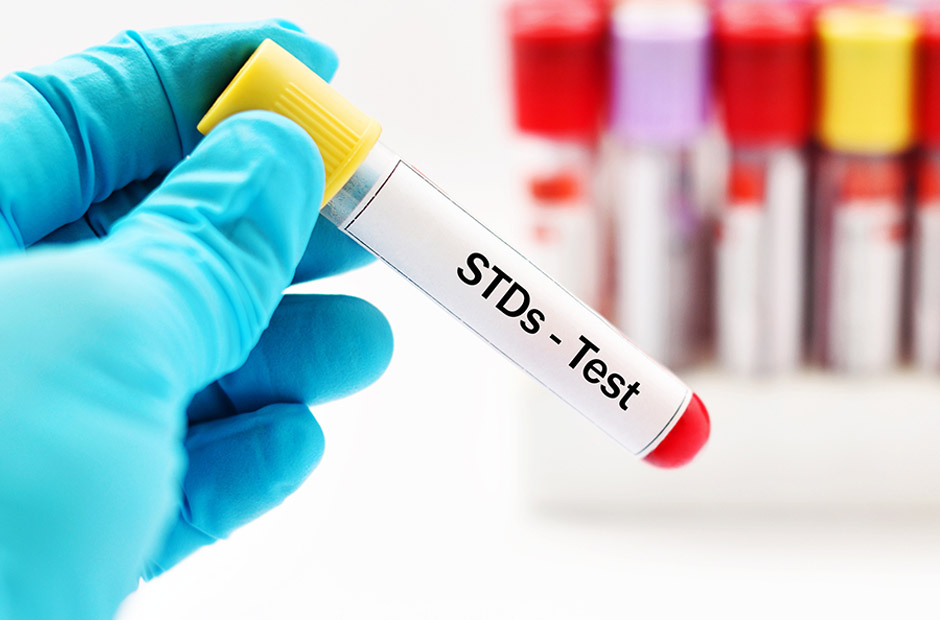
Understanding what the body is trying to say can make a big difference. Whether it turns out to be a mild infection or something that needs medical attention, knowing when to consider options like std testing in Singapore can help people take control of their health with more confidence.
Common Infections and Irritations
Yeast Infections and Bacterial Imbalance
One of the most common causes of itching and unusual discharge is a yeast infection. This happens when there is an overgrowth of natural fungi in the body. It can lead to thick discharge, irritation, and a strong urge to scratch, which often makes the discomfort worse.
Similarly, bacterial imbalances can also cause noticeable changes. Bacterial vaginosis, for example, may lead to a thin discharge with a distinct odor. While it is not always classified as a sexually transmitted condition, it can still be influenced by sexual activity and changes in the body’s natural balance.
These conditions are common and treatable, but they can feel uncomfortable and sometimes embarrassing. Many people delay seeking help because they assume the symptoms will resolve on their own, even when the discomfort persists.
Skin Sensitivity and Allergic Reactions
Sometimes the cause is less about infection and more about irritation. The skin in intimate areas is sensitive and can react to products like soaps, detergents, or even certain fabrics. A new body wash or laundry detergent can unexpectedly trigger itching or redness.
Fragrances and harsh ingredients are often the culprits. Even products marketed as gentle can cause reactions in some individuals. This can lead to discomfort that feels similar to an infection, making it harder to tell what is really causing the problem.
Paying attention to recent changes in products or habits can offer clues. If symptoms appear shortly after introducing something new, the cause may be more external than internal.
Hormonal Changes and Natural Variations
The body is constantly changing, and hormones play a big role in that. Shifts during menstrual cycles, pregnancy, or even periods of stress can affect discharge and sensitivity. What feels unusual one week may actually be part of natural fluctuations.
That said, not all changes should be ignored. If discharge becomes unusual in color, has a strong smell, or is paired with pain, it may signal something beyond normal variation.
Learning what is typical for one’s own body can make it easier to notice when something feels off. This awareness can help people respond sooner rather than later.
Possible Sexually Transmitted Infections
Recognizing the Signs
Burning during urination, persistent itching, and unusual discharge can sometimes point to sexually transmitted infections. Conditions such as chlamydia, gonorrhea, or trichomoniasis may present with mild symptoms at first, or in some cases, no symptoms at all.
This is what makes them tricky. A person may feel mostly fine while an infection is quietly developing. When symptoms do appear, they can be mistaken for less serious conditions, leading to delays in proper diagnosis.
Regular sexual health screening becomes important, especially for those who are sexually active or have new partners. Early detection not only helps with treatment but also reduces the risk of passing infections to others.
Why Early Attention Matters
Ignoring symptoms can allow infections to progress. In some cases, untreated conditions can lead to complications such as pelvic pain or fertility issues. While this does not happen to everyone, it is a risk that many people are not fully aware of.
Seeking medical advice does not have to be stressful or intimidating. Clinics today are generally more discreet and understanding, focusing on patient comfort and privacy. What matters most is getting clear answers and the right treatment if needed.
It is also worth noting that not every symptom is linked to a serious condition. However, checking in with a healthcare professional can provide reassurance and prevent unnecessary worry.
Listening to the Body and Taking the Next Step
Discomfort in intimate areas is something many people experience at some point, even if it is not often talked about openly. Whether the cause is a simple irritation or something that requires treatment, paying attention to changes is key.
The body often gives subtle signals before a problem becomes more noticeable. Acting on those signals early can make a big difference in both comfort and long term health. It is not about assuming the worst, but about staying informed and proactive.
When symptoms like burning, itching, or unusual discharge appear, it is worth taking a moment to pause and assess. Seeking guidance, asking questions, and getting checked when needed can turn uncertainty into clarity.