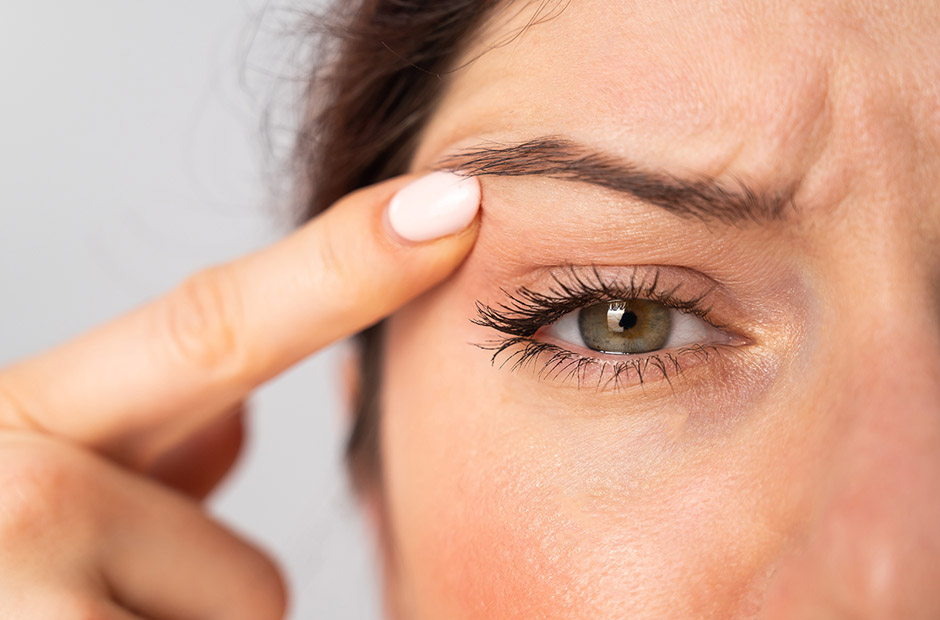
It often starts with a subtle change. Someone looks in the mirror and notices their eyes look more tired than they feel. Makeup does not sit the same way, and photos begin to reflect a heaviness that was not there before. These small shifts can affect confidence more than expected.
Eyelid changes are a natural part of aging, but they can also be influenced by genetics, lifestyle, and health. For many, the concern is not just about appearance but also about comfort and vision. When eyelids begin to droop, it can create both cosmetic and functional challenges.
This is where options like droopy eyelid surgery come into the conversation. While the procedure can offer noticeable improvements, it is important to understand both what it can achieve and where its limits lie.
Why Eyelids Change Over Time
The skin around the eyes is one of the thinnest areas of the body. Because of this, it tends to show signs of aging earlier than other areas. Over time, the skin loses elasticity, and the muscles that support the eyelids may weaken. Fat that once helped maintain a smooth contour can shift or become more prominent.
Natural Aging and Skin Elasticity
As collagen production slows down with age, the skin gradually loses firmness and elasticity. This leads to sagging, especially in delicate areas like the upper eyelids. What once looked smooth and lifted may begin to fold or droop, creating a hooded appearance.
For some individuals, this change happens gradually and feels manageable. For others, it can affect how they see themselves or how others perceive them. The eyes play a big role in expression, so even small changes can feel noticeable and meaningful.
Genetic Influence and Early Changes
Not all eyelid concerns are linked to aging. Some people are naturally predisposed to heavier eyelids due to genetics. This can appear earlier in life and may not be related to skin quality or lifestyle factors.
In these cases, individuals may feel that their eyes look consistently tired or less open, even when they are well rested. This can lead to interest in surgical options at a younger age, though expectations should still be kept realistic.
Functional Impact on Vision
In more advanced cases, drooping eyelids can go beyond cosmetic concerns. When excess skin begins to hang over the lash line, it can interfere with vision, especially peripheral vision.
This can make everyday activities like reading or driving more difficult. Some people also find themselves raising their eyebrows repeatedly to compensate, which can lead to tension or headaches over time.
What Eyelid Surgery Can and Cannot Do
Eyelid surgery, also known as blepharoplasty, is designed to address excess skin, fat, and sometimes muscle around the eyes. It can create a more open and refreshed appearance, but it is not a one size fits all procedure.
Realistic Improvements and Aesthetic Benefits
The procedure can remove or reposition excess tissue to improve the contour of the upper or lower eyelids. This often results in a brighter and more alert look. For individuals whose vision is affected, it may also provide functional improvement.
In Singapore, eyelid surgery is commonly sought not just for aging concerns but also for eyelid reshaping. However, the outcome depends on factors such as skin quality, bone structure, and healing response. It enhances existing features rather than dramatically changing them.
Understanding the Limits of Surgery
While the results can be meaningful, eyelid surgery cannot stop the aging process. Over time, the skin will continue to change, and some degree of sagging may return. It also does not address issues such as under eye dark circles caused by pigmentation or volume loss in the tear trough area.
It is also important to note that symmetry cannot be guaranteed. The human face is naturally asymmetrical, and surgery aims for balance, not perfection. Patients who expect flawless or permanent results may feel disappointed if they are not properly informed.
Making Thoughtful Decisions
Choosing to undergo blepharoplasty for sagging eyelids is a personal decision that should be made with careful consideration. Understanding both the benefits and limitations of the procedure helps set realistic expectations and leads to greater satisfaction with the outcome.
A qualified medical professional can assess whether the concern is primarily cosmetic, functional, or a combination of both. They can also recommend whether surgery is the most appropriate option or if non surgical treatments may be considered first.
At the end of the day, the goal is not to chase perfection but to feel comfortable and confident. When approached thoughtfully, eyelid surgery can be a helpful option, but it works best when paired with realistic expectations and informed decision making.