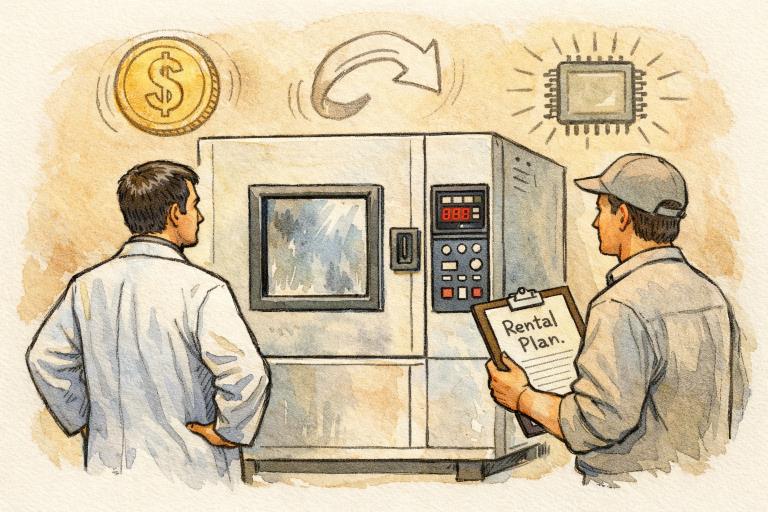
Key Takeaways
- Renting environmental test chambers enhances flexibility and cost-efficiency for time-limited projects.
- Access to advanced, up-to-date equipment is a major benefit of the rental model.
- Routine maintenance and calibration are generally managed by the provider, easing internal burdens.
- The rental approach is ideal for organizations with unpredictable or fluctuating testing requirements.
Environmental test chambers play a vital role in research and product development by providing engineers and scientists with the ability to simulate a range of environmental conditions. This is essential for assessing product durability, reliability, and compliance. While many organizations purchase their own test chambers, environmental chamber rental offers compelling benefits, especially for businesses with variable or short-term testing needs.
Renting environmental test chambers allows companies to access state-of-the-art equipment without the significant upfront costs associated with ownership. It also streamlines resource allocation and helps organizations maintain flexibility when responding to rapidly changing project demands.
The rental approach is particularly practical when companies face shifting workloads, are working on highly specialized projects, or want to avoid the maintenance responsibilities that come with equipment ownership. Additionally, renting often includes support and calibration services, ensuring that the equipment functions optimally for every test scenario.
Whether for research, quality assurance, or compliance testing, the option to rent environmental test chambers has become a strategic choice for many businesses striving for innovation and efficiency.
Cost-Effectiveness for Short-Term Projects
For businesses facing projects that are temporary or have a clear end date, renting environmental test chambers can be significantly more affordable than buying them outright. Purchasing a chamber represents a substantial capital investment, which may not be justified if the equipment is only required for a short time. Renting, on the other hand, enables more flexible budgeting. Resources can be directed toward research and development activities rather than large equipment purchases, improving overall project efficiency and maximizing return on investment. For many companies, particularly start-ups, this model allows them to conserve capital for other essential business operations.
Another financial advantage comes from avoiding depreciation costs. Assets like environmental test chambers typically lose value over time, which can impact the organization’s balance sheets. Renting eliminates such long-term financial burdens, especially when the equipment is only necessary for a finite period. This advantage is particularly beneficial to small and mid-sized businesses that may lack the robust budgets required for frequent capital expenditures.
In addition, many rental providers offer customizable rental plans that can be matched to the specific duration and scale of a project. This ensures optimal resource use and prevents the waste that can occur when owned equipment sits idle. Businesses also avoid the hidden costs of storage, insurance, and potential future disposal, thereby yielding even greater financial efficiency.
Access to Advanced Equipment
The field of environmental testing is fast-paced, with continual advancements in technology. Renting gives organizations immediate access to the newest and most sophisticated equipment without the long-term commitment and risk of obsolescence. For instance, if a project necessitates a chamber capable of extreme temperature cycling, specific humidity ranges, or integrated data logging, renting allows for the use of these high-end features without additional outlay. This is particularly beneficial when the most advanced capabilities are only needed for a single project or short time frame, and it can help companies stay competitive by leveraging the latest testing technology.
Moreover, rental providers typically refresh their inventory regularly, meaning clients can benefit from new product releases and incremental upgrades. This keeps organizations at the forefront of technology without having to orchestrate new equipment purchases themselves. Access to well-maintained, modern equipment can also reduce the risk of breakdowns and test interruptions, ultimately contributing to faster project completion.
Crucially, by maintaining a partnership with a reputable rental provider, companies can rapidly adapt and scale up access to specialized chambers for testing highly specific product requirements. From climatic walk-in chambers to compact benchtop models, a broad inventory selection supports a diverse range of technical needs and budget preferences.
Reduced Maintenance and Calibration Responsibilities
Environmental test chambers require routine maintenance and calibration to ensure reliable and accurate operation. These upkeep activities can be time-consuming and costly if handled internally. With rental agreements, these tasks are typically managed by the rental provider. This not only reduces operational headaches but also ensures each unit is delivered in optimal working condition. As a result, project timelines remain predictable and internal teams can focus on core competencies. Furthermore, it minimizes downtime due to equipment malfunctions or compliance issues, as maintenance and repair are handled promptly by experts.
Relying on the provider for compliance certificates, documentation, and scheduled servicing also eliminates the risk of overlooked maintenance or calibration lapses. Providers are incentivized to keep their fleet in top shape, providing peace of mind to renters. The availability of loaner units during repairs or routine servicing can further minimize disruptions.
Flexibility for Fluctuating Testing Needs
Many businesses encounter fluctuating testing schedules as project requirements evolve. Renting environmental test chambers provides a degree of flexibility that purchasing cannot match. Organizations can scale their testing capabilities up or down by adding or returning rental units as needed. This adaptability is particularly valuable for industries such as automotive, aerospace, electronics, and pharmaceuticals, where product qualification cycles and regulatory requirements can vary greatly throughout the year. Seasonal product launches, spikes in quality assurance testing, and specialized research initiatives can all be accommodated with ease using rental solutions.
Another aspect of flexibility involves the selection of chamber types and configurations. Rentals make it practical to trial different chamber models tailored for a variety of environmental challenges, such as temperature shock, altitude variation, or corrosive atmospheres. This can unlock valuable insights that inform future capital investments and process improvements. Whether needs are planned or urgent, rental providers can often expedite delivery and installation, ensuring projects stay on track.
Considerations When Renting
Despite the advantages, companies must carefully assess their unique testing requirements before entering into a rental agreement. Factors to consider include the anticipated duration of use, the specific performance parameters required, the reliability of the rental provider, and the terms of service. It is essential to review all costs, support options, transportation logistics, and what is included in the maintenance package. Additionally, understanding return conditions, repair policies, and technical support availability helps avoid unexpected disruptions. For comprehensive guidance on selecting laboratory equipment, organizations can refer to resources like NIH.
It’s also useful to consider the scalability of the provider’s offerings. Some rental companies can support multi-location projects or provide equipment across international sites, which can be a critical factor for larger organizations or global test campaigns. Requesting references or case studies and checking the availability of specialized technical advice can further inform the decision-making process. Robust communication with rental partners sets clear expectations, laying the groundwork for a successful testing partnership.
Conclusion
Renting environmental test chambers is a practical strategy for research-driven organizations and manufacturers who need to stay nimble and responsive in a competitive landscape. By leveraging the flexibility, cost savings, and technology advantages of the rental model, companies can address a wide range of testing needs without the overhead and commitment of ownership. This approach enables teams to innovate efficiently, minimize risk, and maximize resources, ultimately supporting better product development and compliance outcomes.
In summary, organizations that take the time to carefully analyze their testing workload, project objectives, and provider capabilities can extract the maximum value from environmental chamber rental. By doing so, they not only foster greater operational agility but also position themselves as proactive and forward-thinking players within their respective industries. With the rapid pace of technological change, the rental model is likely to remain a smart, future-ready solution for product development and quality assurance challenges.