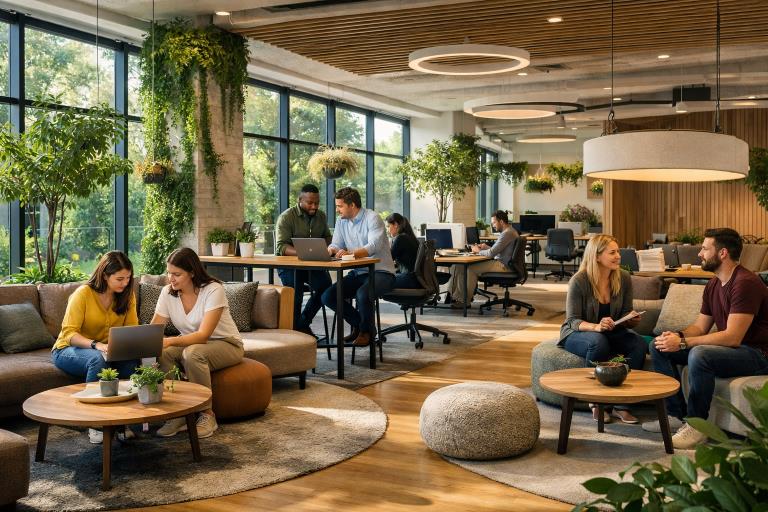
As the workplace continues to undergo a significant transformation, the buildings and environments where we spend our workdays are evolving to keep up. Modern office design goes beyond mere aesthetics and embraces strategies that elevate productivity, foster employee collaboration, and promote holistic well-being. In cities like New York, Class A office buildings in New York illustrate how design innovation meets the expectations of the modern workforce, combining flexibility, functionality, and state-of-the-art amenities.
The rise of hybrid and remote work, coupled with rapid technological advancements, has set a new standard for what offices should offer. Companies now prioritize creating supportive, healthy, and interactive environments that drive organizational success and individual satisfaction. With that demand comes an array of influential design trends, each addressing specific workplace needs and employee expectations. These trends not only transform physical spaces but also shape the very culture of work.
Understanding these design shifts is crucial for businesses seeking to attract top talent, optimize workflow, and build resilient, future-ready offices. Embracing key elements such as natural materials, ergonomic designs, collaborative hubs, and digital integration ensures that office environments remain appealing and effective in an ever-shifting business landscape.
The transformation is clear: the modern office is more than a location, it is an experience, crafted to inspire, connect, and energize teams while aligning with corporate values and sustainability goals.
Flexible Workspaces
The era of the better office is quickly giving way to agile, multi-purpose workspaces. Flexible office layouts maximize spatial efficiency and accommodate a diverse workforce with shifting team sizes and tasks. Many companies, recognizing the demands of a dynamic workforce, now prioritize adaptable spaces that can switch seamlessly between collaboration and privacy. Industry leaders like Amazon and JPMorgan have championed coworking environments in efforts to support hybrid arrangements, promote spontaneous collaboration, and ensure every square foot of office space adds value. According to a recent Fortune article, this trend is steadily gaining momentum as more companies realize its benefits for both productivity and company culture.
In addition to modular furniture and easily reconfigurable layouts, the integration of mobile walls, retractable partitions, and compact storage solutions is becoming standard in many offices. These elements allow companies to adapt their workspaces to changing project requirements, seasonal headcount fluctuations, or evolving business strategies with minimal disruption. The transition towards activity-based working is also gaining traction, offering employees spaces specifically designed for focus, learning, socializing, and collaboration. By creating these specialized zones, organizations are enabling greater employee choice and mobility, further enhancing flexibility. Businesses are now investing in space utilization analytics to monitor how various areas are used, adjusting layouts in real time to better serve teams and reduce wasted space. This data-driven approach ensures that investments in flexible design yield measurable improvements in both satisfaction and efficiency. Ultimately, flexibility is not just about furniture; it’s about supporting fluid ways of working and creating environments that evolve in sync with business goals.
Biophilic Design
Biophilic design, which draws on nature’s restorative properties, is a central focus in contemporary office layouts. Workspaces enhanced with greenery, natural lighting, and elements like wood or water features encourage relaxation, reduce stress, and elevate productivity. The profound psychological impact of natural environments is supported by extensive research, including a study published in the Harvard Business Review that highlights how exposure to greenery can boost well-being and cognitive function.
Technology Integration
Rapid advances in office technology now drive how companies design and use their interiors. From AI-enabled meeting scheduling to smart environmental controls and high-speed connectivity, technology is integral to modern workspaces. AI and machine learning are not only revolutionizing workplace operations but also streamlining daily routines, as outlined in Envoy’s workplace predictions report. Such innovation enhances productivity, assists with scheduling, and enables collaborative meetings whether staff members are in the building or working remotely.
Wellness-Focused Environments
The concept of employee well-being has been elevated to a foundational design priority. Today’s forward-thinking offices feature ergonomic seating, sit-stand desks, meditation and nap pods, and even on-site fitness and wellness centers. A growing number are merging work and health by directly integrating office buildings with gym franchises, encouraging a more active and holistic office lifestyle. The Axios report on “workplace-plus” environments reveals this model is quickly becoming a distinguishing feature for leading employers.
Sustainable Practices
Modern offices are also being reimagined with sustainability at the forefront. By deploying energy-saving lighting and HVAC systems, opting for recycled or renewable building materials, and launching waste-minimization programs, companies are reducing their environmental impact to better align with their unique work preferences. This is a wonderful message to employees and visitors and supports wider corporate responsibility goals. Sustainable office design also appeals to younger employees who view environmental stewardship as essential to a company’s mission.
Moreover, initiatives such as indoor air quality monitoring, water-conservation systems, and green certifications like LEED or WELL have gained traction. Companies that recognize the benefits of sustainable design report increases in employee satisfaction and greater client brand loyalty. Eco-friendly office practices don’t just lower operational costs; they also improve mental health, making sustainability a comprehensive approach to workplace wellness. As environmental concerns continue to rise globally, businesses that make sustainability a core value are better positioned to attract conscientious talent, meet regulatory standards, and future-proof their investments.
Collaborative Zones
The push for business innovation has increased the need for spaces that facilitate teamwork and collective brainstorming. To foster these opportunities, many offices incorporate open collaborative hubs, lounge areas, and dedicated team rooms equipped with interactive screens and whiteboards. By creating designated zones for unplanned meetings, companies encourage creativity and cross-departmental idea sharing, helping drive business success.
Personalized Workstations
Recognizing that productivity is highly personal, some organizations are empowering staff to customize their workspaces to better fit their unique work preferences. Features like adjustable desks, task lighting, and personalized storage help individuals create comfortable, efficient setups. This trend supports employee autonomy and leads to greater satisfaction, retention, and workplace engagement. It’s a design philosophy that acknowledges employees as whole individuals, not just cogs in a corporate machine.
Conclusion
The modern office continues to evolve rapidly to address changing work patterns, business needs, and employee expectations. Through flexible design, digital innovation, wellness and sustainability initiatives, and personalized spaces, today’s workplaces are better equipped to boost productivity and well-being. These impactful trends not only enhance daily experiences but also shape the future of work for organizations and their people.