Key Takeaways
- Springdale homes must handle strong sun, humidity, rain, wind, and occasional freezing weather.
- Exterior colors should complement permanent features such as brick, stone, roofing, windows, and landscaping.
- Light and mid-tone colors often hide fading better than very dark colors on heavily exposed siding.
- Preparation, including cleaning, repairs, caulking, and priming, has a major effect on paint longevity.
- Older homes require extra caution when old paint is peeling, or lead-based paint may be present.
- Testing samples outdoors before committing can prevent an expensive color mistake.
Choosing exterior paint in Springdale involves more than picking a color that looks good on a swatch. The right combination of color, coating, repairs, and preparation can help a home look inviting while standing up to sun, rain, humidity, wind, and seasonal temperature changes.
For homeowners comparing house painters Springdale, Schneider Painting provides a useful local point of reference. Its Springdale service page describes a family-owned Northwest Arkansas painting team serving residential and commercial properties with exterior painting, interior painting, cabinet refreshing, drywall repair, and texture painting. That range of services reflects the practical knowledge needed to evaluate surfaces, preparation needs, and finished curb appeal in the Springdale area.
Why Springdale Weather Matters
Northwest Arkansas can move quickly from cool conditions to heat, humidity, thunderstorms, heavy rain, gusty winds, hail, and severe weather. The National Weather Service notes that spring in Northwest Arkansas brings a wide variety of weather elements, which makes scheduling and surface conditions important for exterior work. Direct sun can fade some pigments, humidity can slow drying, and rain can reveal weak caulk joints, open seams, or unsealed wood. Winter moisture and freeze-and-thaw movement can also enlarge existing cracks and peeling areas.
Start With Existing Features
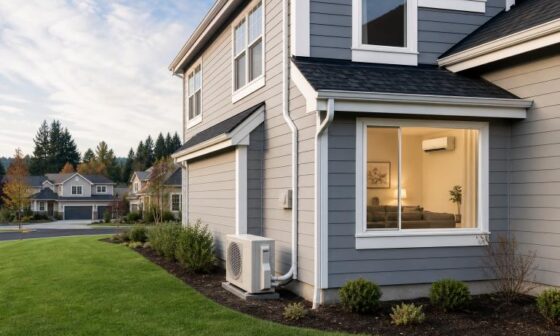
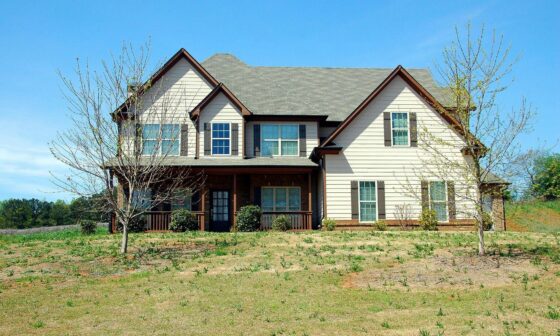
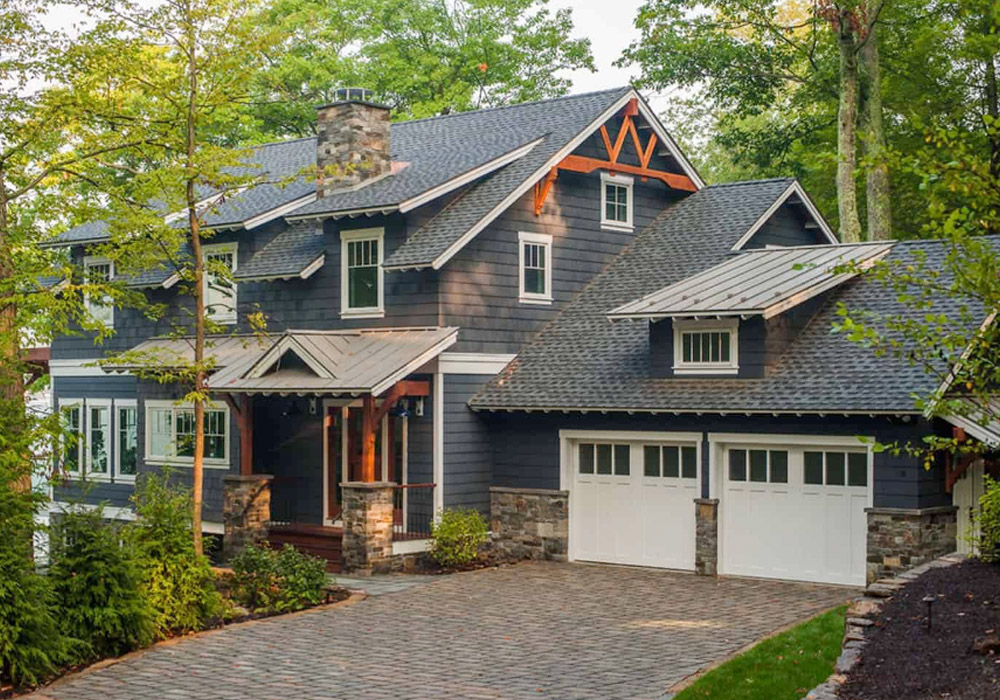
Before selecting a body color, study the features that will stay in place. Roof shingles, brick, stone, gutters, window frames, driveways, porch materials, and mature trees all influence how paint will read from the street. A warm gray can complement red brick and beige roofing, while a cool blue-gray may clash with orange-toned masonry.
Also consider the amount of afternoon sun and the overall character of nearby homes. Matching every neighbor is unnecessary, but a palette that relates to the neighborhood usually feels more natural and supports long-term curb appeal.
Color Families That Fit Springdale
Warm Whites and Creams
Warm whites and creams brighten shaded porches, traditional homes, and ranch-style exteriors. They pair well with dark roofs, natural stone, and many brick colors, although dirt and splash marks may be more visible near doors and lower siding.
Greens, Grays, and Greiges
Muted greens connect naturally with wooded lots and Ozarks landscaping. Soft grays and greiges offer a flexible middle ground that lets a trim or a front door stand out. Always test these shades beside a brick because their undertones can shift dramatically in sun and shade.
Blue and Charcoal Accents
Blue, charcoal, and near-black work especially well on shutters, doors, porch ceilings, and limited trim. Very dark colors can absorb more heat and may fade sooner on walls with intense direct exposure, so use them thoughtfully on large siding areas.
Match Paint to the Material
The same color and finish can look different on wood, fiber cement, vinyl, brick, and metal. Match the coating system to the surface rather than assuming one exterior paint works everywhere.
- Brick:Address moisture issues before deciding whether painting is appropriate.
- Fiber cement:Inspect joints, exposed cut edges, and damaged factory finish.
- Vinyl siding:Choose products and colors approved for vinyl siding.
- Wood siding:Repair rot, scrape loose paint, and seal bare areas promptly.
- Metal:Remove rust and use a compatible primer before topcoats.
- Decks and fences:Choose between paint and stain based on traffic, water exposure, and desired maintenance.
The Surface Preparation Checklist
A new color cannot solve failing paint, mildew, chalking, damaged wood, or open joints. Proper preparation is often the difference between a finish that lasts and one that fails after a single season.
- Inspect siding, trim, soffits, fascia, doors, and exposed foundation areas.
- Wash away dirt, pollen, mildew, and chalky residue.
- Allow surfaces to dry fully before repairs or primer.
- Scrape loose paint and sand rough transitions.
- Repair or replace rotted wood and damaged trim.
- Caulk gaps around windows, doors, joints, and penetrations.
- Prime bare wood, stains, and repaired areas with a compatible product.
- Apply finish coats within the manufacturer’s temperature and moisture limits.
Painting over damp wood or unstable old paint may look good initially, but trapped moisture and poor adhesion can quickly cause blistering or peeling.
How to Test Exterior Paint Colors
Test two or three close options rather than a large collection of unrelated shades. Paint large sample boards or sections on multiple sides of the home, then view them in morning, afternoon, and evening light. Check from the street and near the house, and test trim and door colors against the body color. Waiting a full day before choosing gives the eye time to notice undertones that were easy to miss at first glance.
When Professional Help Makes Sense
Small touch-ups can be manageable, but full exterior projects may require professional help when the home has multiple stories, widespread peeling, wood rot, limited access, multiple exterior materials, or detailed repairs. Professional planning can also help coordinate weather windows and compatible primers, caulk, and finish coats.
If a home was built before 1978, take old paint seriously before scraping or sanding. The EPA explains that renovation work in pre-1978 homes can create dangerous lead dust, so lead-safe procedures and qualified help may be needed.
A Simple Maintenance Plan
- Spring:Check for storm damage, mildew, peeling paint, and failed caulk.
- Summer:Watch for fading, chalking, and movement at siding joints.
- Fall:Clear leaves from gutters and inspect roof edges and tree-covered areas.
- Winter:Look for cracking or moisture entry after freezing conditions.
Use gentle cleaning when needed. Excessive pressure can damage wood, strip sound coatings, or force water behind siding.
Conclusion
A successful Springdale exterior painting project combines a color palette that fits the home with sound repairs, careful preparation, and coatings suited to each surface. When the roof, masonry, landscape, and lighting conditions are considered together, the finished exterior can enhance curb appeal while providing stronger protection against Northwest Arkansas weather.