Your roof usually stays out of sight and out of mind until a stain appears on the ceiling or shingles start showing up in the yard. If you live in La Grange, there’s substantial value sitting underneath that roof: 81.5% of occupied housing units are owner-occupied, and the median value of owner-occupied homes was $594,300 for 2020–2024, according to the U.S. Census Bureau. Local climate data also shows about 38.7 inches of precipitation annually, giving roofs plenty of exposure to rain and seasonal weather. With that combination of valuable housing and changing weather conditions, catching small roofing problems early can help protect both your home and your budget.
Start With the Signs You Can See From the Ground
You do not need to climb onto your roof to spot trouble. In fact, you really should not unless you know what you are doing. A simple walk around your house can reveal a lot.
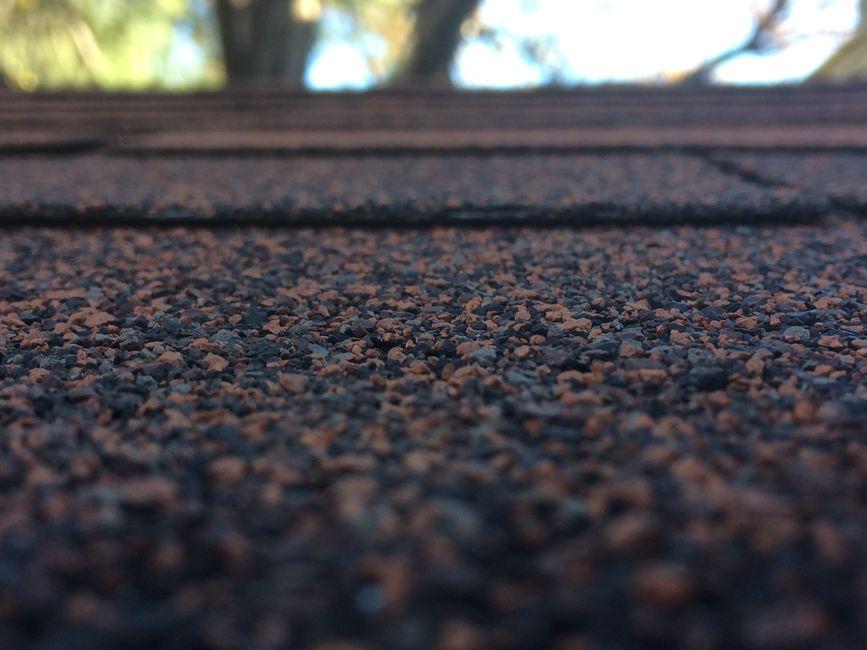
Look for missing, curled, or cracked shingles. Check whether parts of the roof appear uneven or dipped. Notice any dark streaks, moss growth, or bare patches where granules have worn away. If you see pieces of shingles in your gutters, that is not a charming seasonal decoration.
Pay attention after storms. High winds can lift shingles just enough to break the seal, even when the damage is not obvious from the street. Binoculars help, and so does good daylight. The goal is not to diagnose every issue yourself. It is to catch clues before they turn into interior damage.
Know When It Is Time to Call a Professional
There is a point where observation should turn into action. If you see active leaks, storm damage, sagging areas, repeated shingle loss, or signs of moisture in the attic, schedule a roofing inspection instead of waiting for the next season to make the decision for you.
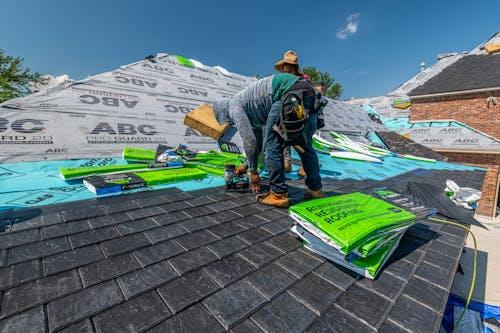
If you are in the western suburbs, working with a trusted roofer in La Grange can help you figure out whether you need a repair, maintenance work, or a full replacement. That kind of local experience matters because regional weather patterns, municipal codes, and common housing styles all affect roofing decisions.
A good inspection should include more than a quick glance and a dramatic sigh. You want clear findings, photos if possible, and an explanation of what needs immediate attention versus what can be monitored.
Watch for Indoor Warnings That Point to Roof Problems
Some of the most important roofing clues show up inside your house. Water stains on ceilings or upper walls are the classic red flag, but they are not the only one. A roof leak can travel before it drips, which means the source is not always directly above the stain.
Check your attic if you have one. Look for damp insulation, musty odors, mold, or sunlight shining through boards. In winter, poor roof ventilation can lead to condensation that mimics a leak. Either way, moisture where it does not belong is bad news.
You may also notice peeling paint near rooflines, warped trim, or sudden spikes in energy bills. Roof damage does not only invite water in. It can affect ventilation and insulation performance too. A house that cannot regulate temperature properly starts costing you more month by month.
Understand How Age Changes the Risk
Every roof has a lifespan, and materials age at different rates. Asphalt shingles often last around 20 to 30 years, though installation quality, ventilation, weather exposure, and maintenance all affect that timeline. If your roof is approaching the later part of its expected life, minor issues deserve quicker attention.
An older roof can still look decent from a distance while hiding weakened flashing, brittle shingles, or underlayment wear. That is part of the problem. Roof systems age in layers, not just on the surface.
If you recently bought a home and do not know the roof age, try checking inspection records, permit history, or paperwork from the previous owner. If that trail goes cold, a professional inspection can help estimate condition. Guessing may feel cheaper, but surprise repairs usually disagree.
Pay Attention to Flashing, Gutters, and Roof Edges
Most people think shingles are the whole story. They are not. Some of the most leak-prone areas sit around the details: flashing near chimneys, vents, skylights, valleys, and roof edges. These parts handle transitions and drainage, which makes them vulnerable when materials loosen or corrode.
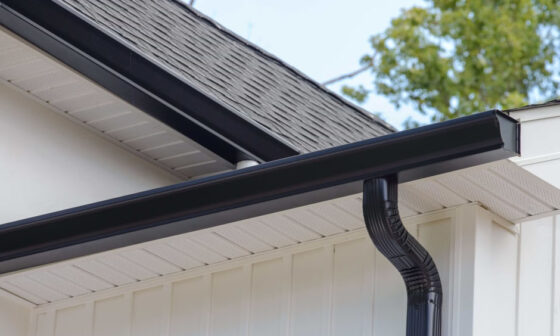
Gutters matter too. Clogged gutters can force water back under roofing materials and along fascia boards. Overflow near the foundation adds another layer of expense you definitely did not ask for. If your gutters sag, pull away from the house, or spill water during normal rain, the roof drainage system needs attention.
Roof edges can also tell you a lot. Rotting wood, peeling soffits, or nesting pests around eaves suggest moisture problems. A roof is not a solo act. It works with drainage, ventilation, and trim components, and one weak link can trigger a chain reaction.
Make Smart Roofing Decisions Before an Emergency Forces One
Emergency roof work often costs more, feels more stressful, and gives you less time to compare options. Planning ahead puts you in a stronger position. If your roof is aging or showing early wear, ask about repair versus replacement costs, material choices, ventilation upgrades, and timing.
For example, a targeted repair can make sense when damage is isolated, and the roof still has healthy years left. A replacement may be smarter when issues keep recurring or when widespread wear makes patchwork a money pit. Spending less today is not always the same as saving money.
Keep records of inspections, repairs, and storm events. That paperwork helps with budgeting, resale, and insurance conversations. Most of all, treat roof maintenance like preventive care, not crisis management. Your roof protects nearly everything under it. Giving it attention before it demands it is one of the sharper homeownership moves you can make.