Key Takeaways
- The best family itineraries balance active experiences, quiet breaks, and unstructured play.
- Kids are more engaged when they can make small, meaningful choices during the trip.
- One main activity per day is often more memorable than a schedule packed with reservations.
- Food, water, sleep, shade, and backup plans are essential parts of a successful vacation.
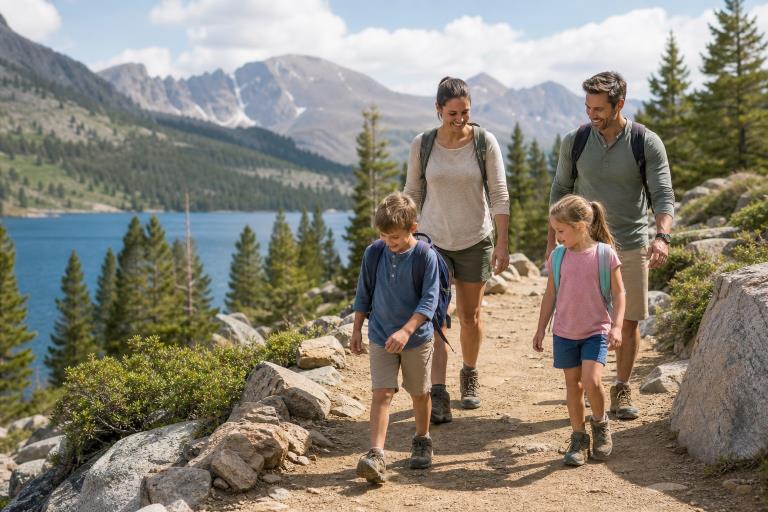
A family trip does not need to be packed with expensive attractions to feel special. Whether you stay close to home or take the family to Punta Cana, the strongest plans give children room to move, discover, rest, and enjoy time together. Instead of trying to see everything, build days around your children’s energy levels and interests. A short hike, a swim, a visit to a local market, or time at a playground can become the highlight when nobody feels rushed.
Why Active Travel Works for Kids
Children often experience a destination more fully when they can participate rather than observe. Walking through a new neighborhood, looking for wildlife, riding bikes, playing in the water, or climbing at a playground gives them a sense of ownership over the day. Movement also helps release excess energy that might otherwise turn into boredom or frustration. Active travel does not mean keeping everyone busy from morning until bedtime. Young travelers still need snacks, naps, quiet hotel time, and the freedom to linger when something catches their attention. A slower pace usually creates happier memories than an ambitious checklist.
How to Choose the Right Destination
When comparing destinations, look beyond beautiful photos and focus on how easy it will be for your family to enjoy the place. The best option is usually one with simple logistics and several kinds of activities within a short distance.
Active travel can support healthy routines, since children ages 6 to 17 should get at least 60 minutes of physical activity each day.
- Safe sidewalks, parks, beaches, trails, or other places to move around.
- Options that work for more than one age group.
- Easy access to meals, drinking water, restrooms, shade, and pharmacies.
- Indoor choices for rain, heat, or an unexpectedly tired afternoon.
- Short transportation times between your lodging and major activities.
- Nature, cultural, or hands-on sites that invite curiosity.
Before departure, check the weather forecast, seasonal conditions, activity requirements, and local transportation. A destination that is easy to navigate gives parents more flexibility when plans change.
How to Build a Balanced Itinerary
Create a daily rhythm rather than scheduling every hour. A simple formula is one main adventure, one lighter experience, and plenty of open time. This approach gives the family a plan while leaving room for unexpected discoveries.
A Simple Daily Pattern
- Morning:Plan the most active or focused activity, such as a hike, swim, museum visit, or guided tour.
- Midday:Stop for lunch and a quiet break, especially during hot or busy travel periods.
- Afternoon:Choose something flexible, such as free play, a scenic walk, or a market visit.
- Evening:Keep the final hours calm with an easy meal, a family game, or a short stroll.
If children want to stay longer at a beach, exhibit, or playground, let that interest guide the day when possible. The goal is not to maximize attractions. It is to create an experience everyone can actually enjoy.
How to Match Activities to Different Ages
Preschool Children
Keep outings short and sensory. Good choices include brief walks with frequent stops, supervised water play, animal viewing from a safe distance, music, and pretend games. Familiar snacks and a predictable rest period can make a major difference.
School-Aged Children
Children in this group often enjoy scavenger hunts, easy hikes, beginner bike rides, interactive museums, photo challenges, and simple nature journals. Give them a mission, such as finding three unusual plants or choosing the best view of the day.
Tweens and Teens
Tweens and teens may respond best when they have a voice in the plan. Let them help select an activity, photograph the trip, try a local food challenge, or choose an independent activity within clear family rules. Mixed-age families do not have to do every activity together. Shared connection matters more than constant togetherness.
How to Make Learning Feel Natural
Travel can build curiosity without making vacation feel like school. Ask open questions: What do you notice? What seems different from home? What would you like to know more about? Maps, menus, plants, architecture, and local traditions all provide natural conversation starters. For a park-focused trip, families can use activities that help children explore parks before or after a visit, turning observations into a small learning project. A few photos, sketches, or notes are enough to preserve what they discovered.
How to Plan Food, Rest, and Downtime
Many difficult vacation moments are really hunger, dehydration, overstimulation, or exhaustion. Pack water and simple snacks before leaving, keep one familiar food available, and schedule a cooling or quiet break during the hottest part of the day. For example, after a busy morning at an attraction, skip the temptation to squeeze in a second major stop. A relaxed lunch followed by pool time, reading, or free play may help everyone reset for an enjoyable evening. Protecting sleep routines when practical also makes the next day easier.
How to Keep Kids Safe During Active Trips
- Use helmets and properly fitted safety gear for biking and similar activities.
- Supervise children closely near pools, beaches, lakes, boats, and wildlife.
- Follow local rules for life jackets, age limits, and guided activities.
- Apply sunscreen, bring water, and plan shade breaks in hot weather.
- Teach children what to do if they become separated from the group.
- Carry needed medications, basic first-aid supplies, and emergency contact details.
Choose activities based on ability and comfort, not pressure. A smaller adventure that feels safe and achievable is more valuable than an experience that leaves a child scared or overwhelmed.
A Simple Three-Day Family Trip Plan
Day One: Settle In and Get Moving
Arrive, unpack, take a short walk near your lodging, and choose an easy dinner. End with a low-key family activity so everyone can adjust to the new setting.
Day Two: Main Adventure Day
Start with swimming, hiking, biking, or another active choice. Take a long lunch break, then visit a cultural or hands-on attraction. Let the kids select one small evening activity.
Day Three: Choice and Connection
Repeat a favorite activity or try something new, leave time for free play, and ask each person to share a favorite moment before packing up to go home.
Common Planning Mistakes to Avoid
- Overbooking the schedule and leaving no time to rest.
- Ignoring different ages, interests, and energy levels.
- Choosing attractions mainly because they look good in photos.
- Forgetting backup plans for rain, heat, delays, or changing moods.
- Leaving children out of even small decisions.
Final Thoughts
A successful family trip is not defined by a perfect schedule or by trying to fit every attraction into a single itinerary. It is a collection of meaningful moments when children can move, ask questions, discover something new, make simple choices, and feel connected to the people around them. Give everyone enough time to rest between activities, and remember that unexpected changes can sometimes lead to the most memorable experiences. Plan lightly, stay flexible, and avoid filling every hour with another destination or activity. Consider each family member’s interests, energy levels, and comfort when deciding what to do next. The best trip is one that leaves everyone with positive memories rather than feeling rushed from one planned stop to another. By allowing your family’s real interests and pace to shape the journey, you can create a vacation that feels more relaxed, enjoyable, and meaningful for everyone.