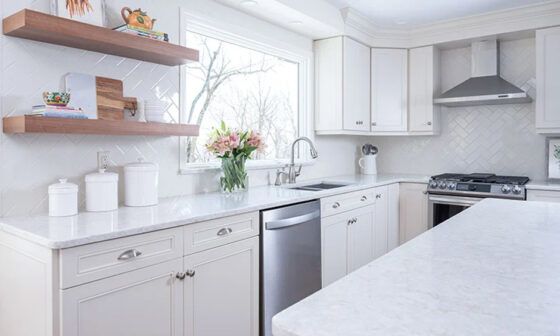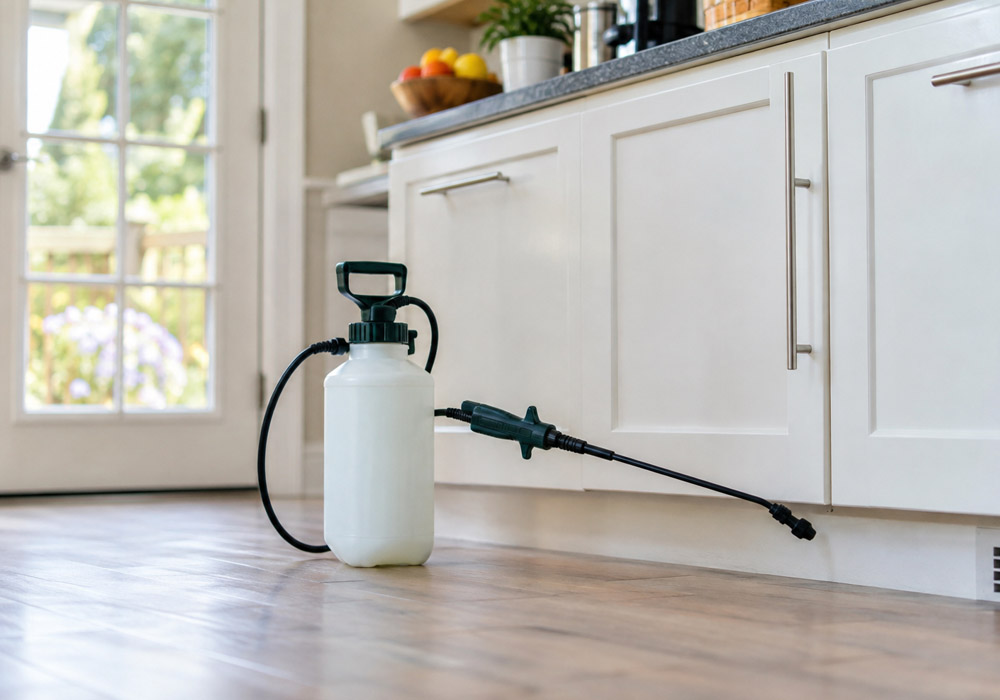
Your kitchen is the heart of your home, but it is also one of the most attractive spaces for pests. Food, moisture, warmth and sheltered areas can provide many of the conditions cockroaches, ants, rodents and pantry pests need to survive.
A dripping tap, crumbs left on a benchtop or a gap around plumbing can create opportunities for pest activity. Once pests become established, they may also move into cupboards, wall cavities and other parts of the property. That’s why prevention and early action are important when it comes to protecting your kitchen and home.
Common Kitchen Pest Risks
Kitchens can attract a range of pests, each creating different problems.
- Cockroaches are persistent kitchen pests that favour warm, sheltered areas with access to food and moisture. Their movement across food preparation areas can create hygiene concerns.
- Ants can be attracted to small amounts of food residue. Once foraging ants locate a reliable food source, trails may begin appearing around benchtops, cupboards and floors.
- Rodents, including mice and rats, can damage food packaging, cabinetry and other materials while contaminating areas with droppings and urine.
- Pantry moths and weevils can infest stored dry foods such as flour, rice, cereals and grains, sometimes remaining unnoticed until adults or larvae become visible.
Left unmanaged, these pests can affect food storage, kitchen hygiene and the overall cleanliness of the home.
Protecting Kitchen Surfaces
Kitchen surfaces are exposed daily to food preparation, spills, grease and general wear. Crumbs and residue left on benchtops can provide food sources for pests, particularly around joins, edges, sinks and adjoining cabinetry.
This is especially important when caring for natural stone benchtops, which are widely used in kitchens for their appearance and durability. Natural stone varies in porosity depending on the type of stone, finish and whether an appropriate sealer has been applied.
The stone itself does not attract pests. The concern is food residue, grease or moisture left on or around the surface. Ants may forage across a benchtop in search of food, while cockroaches can hide around cabinetry, appliances and other nearby sheltered areas.
Regular cleaning with products suitable for the particular stone helps maintain both appearance and hygiene. Spills and food residue should be removed promptly, especially around joins, sink edges and areas where the benchtop meets cabinetry.
Combining appropriate care for natural stone benchtops with good food storage and general kitchen hygiene can help reduce conditions that encourage pest activity.
Why Professional Treatment Matters
Regular cleaning and maintenance can reduce pest risks considerably, but some problems may require a more detailed inspection.
Professional Pest Control Surry Hills can help when pest activity continues, appears in several areas or cannot be traced to an obvious source. A trained pest professional can assess conditions that may be contributing to the problem and look for signs that are easy to overlook during normal household cleaning.
Potential areas of concern may include:
- Gaps around plumbing and service penetrations
- Spaces behind large appliances
- Damaged door or window seals
- Concealed areas around cabinetry
- Wall, roof or subfloor spaces where accessible
- Moisture sources and food-storage areas
Rather than focusing only on visible pests, professional pest management should consider the species involved, likely harbourage areas, possible entry points and conditions supporting the infestation.
A provider familiar with Surry Hills may also understand common property layouts in the area, including terraces, apartments and older homes. However, treatment should always be based on the conditions found at the individual property rather than assumptions about the suburb alone.
Prevention Beyond Treatment
Professional treatment is most effective when supported by consistent prevention at home. Homeowners can reduce pest-friendly conditions by focusing on a few key areas:
- Seal appropriate gaps and cracks around doors, windows and service penetrations where practical. Ventilation and drainage openings should not be blocked without considering their purpose.
- Manage food waste by storing food securely, removing rubbish regularly and avoiding leaving pet food accessible for long periods.
- Fix leaks promptly, as persistent moisture around sinks, plumbing and appliances can support pest activity.
- Keep surfaces clean, including benchtops, stovetops, dining areas and spaces beneath appliances.
- Reduce clutter, particularly in pantries, cupboards, garages and storage areas where pests may find shelter.
- Check stored foods regularly for signs of pantry moths, weevils or damaged packaging.
These habits cannot eliminate every pest risk, but they can make the kitchen and surrounding areas less suitable for pests.
Ongoing Protection
Pest prevention is an ongoing part of home maintenance. Conditions around a property can change over time as weather, moisture, storage habits and building wear create new opportunities for pests.
Periodic inspections can be useful for homes with recurring pest problems or where signs of activity are difficult to identify. However, there is no single inspection schedule suitable for every property.
The appropriate frequency depends on factors such as:
- Previous pest activity
- The species involved
- Property construction
- Moisture conditions
- Surrounding environment
- Evidence of current activity
Regular monitoring can help identify new signs early and allow homeowners to address maintenance issues before they contribute to a larger pest problem.
Conclusion
A clean, well-maintained kitchen is one of the best defences against pests, but cleaning alone cannot prevent every infestation. Food storage, moisture control, entry-point management and surface hygiene all play an important role.
This includes maintaining areas around natural stone benchtops, sinks, appliances, cupboards and other places where crumbs, grease or moisture can accumulate.
If pests continue appearing despite good household maintenance, professional Pest Control Surry Hills can help identify possible harbourage areas, entry points and environmental conditions contributing to the problem.
Combining consistent home maintenance with appropriate professional assessment when needed provides a practical way to protect both the kitchen and the wider home from recurring pest activity.
Frequently Asked Questions
- How often should I have my kitchen professionally inspected for pests?
There is no fixed schedule suitable for every home. Inspection frequency depends on previous pest problems, property conditions, the type of pest and whether signs of activity are present.
- Are natural stone benchtops more prone to attracting pests than other surfaces?
No. Natural stone benchtops do not inherently attract pests. Food residue, grease and moisture left on or around any kitchen surface can encourage pest activity, which is why regular cleaning is important.
- What are the early signs of a cockroach or ant problem in the kitchen?
Possible signs include cockroach droppings, shed skins, egg cases, live insect sightings, ant trails, unusual odours or damaged food packaging. Persistent signs should be investigated.
- Can DIY pest control methods fully solve an infestation?
Minor pest activity may sometimes be reduced through cleaning, sealing suitable entry points and correctly using appropriate household products. Established or recurring infestations may require professional assessment and targeted treatment.
- How do professionals identify pest entry points in a home?
Pest professionals inspect accessible areas for gaps, damaged seals, plumbing penetrations, moisture problems and other signs that may indicate where pests are entering or moving through the property.
- Is professional pest control suitable for kitchens where food is prepared?
Pest treatments can be carried out in and around kitchens when appropriate products and application methods are used according to label directions. A qualified pest professional should provide instructions about food storage, preparation areas, access restrictions or any other precautions required before and after treatment.