Key Takeaways
- Compare neighborhoods by how they support daily life, not just by home features.
- Test real travel routes, especially during the times you would normally drive them.
- Review schools, insurance, flood exposure, fees, and property condition early in the process.
- Use the exact property address for school and flood research.
- Build a scorecard so one emotional showing does not outweigh practical details.
Buying along Florida’s Gulf Coast is about more than finding the right kitchen, pool, or view. The neighborhood shapes the daily experience, from school runs and grocery trips to storm preparation and recurring ownership costs. For buyers narrowing a search in and around Bradenton, Lakewood Ranch, Parrish, Palmetto, Sarasota, and nearby communities, Manatee County real estate agents Marcus & Company Realty can be a useful local resource. Marcus & Company Realty provides community guides, home-search tools, buyer education, and valuation resources, with a service focus that includes Manatee and Sarasota Counties.
The strongest choice is rarely the neighborhood with the most impressive listing photos. It is the one that supports your actual routine, fits your full monthly budget, and still makes sense if your plans change over time.
Start With Daily Life, Not the Listing
A beach-adjacent home may be a great fit for someone who works remotely and values access to water. It may be less practical for a buyer who drives inland every weekday, needs frequent medical appointments, or wants quick access to multiple shopping options. Begin by listing the places you expect to visit most often: work, schools, family, grocery stores, pharmacies, parks, beaches, health care, and airports.
Then consider the area’s rhythm. Some Gulf Coast routes feel different during seasonal visitor traffic, weekend events, or school pickup periods. A home should work on an ordinary Tuesday, not only during a relaxed weekend showing.
Build a Simple Neighborhood Scorecard
A scorecard gives each community a fair comparison. Rate every neighborhood from one to five based on the factors that matter most to your household:
- Purchase price and estimated monthly ownership cost
- Road access and commute convenience
- School options and transportation needs
- Flood exposure, insurance availability, and deductibles
- HOA dues, CDD charges, taxes, and utility expectations
- Access to recreation, shopping, and health care
- Noise, traffic, nearby construction, and resale appeal
Give extra weight to nonnegotiables. A growing family may prioritize bedrooms, parks, and school logistics. A retiree may prioritize single-level living, nearby services, and a manageable maintenance schedule.
Compare Location and Commute Times
Two communities can appear close on a map while producing very different travel times. Test the full route to your key destinations at the hours you would actually travel. Check the approach to major roads, bridges, medical centers, shopping corridors, and employment areas.
Also, look beyond today’s route. Ask about visible development, roadwork, vacant land, and commercial construction near the neighborhood. Growth can bring useful services, but it can also change traffic patterns and the feel of a once-quiet street.
Review Schools by Exact Address
School information should be verified for the individual property, not assumed from a subdivision name or listing description. Attendance boundaries and program availability may change. Families can use the Florida school report card system to review school and district information, then confirm current assignments and transportation details directly with the appropriate district.
School grades and reports are useful starting points, but they are not a complete picture. Consider the school commute, available programs, extracurricular interests, support services, and whether a visit would help your family assess the environment.
Check Flood Risk and Insurance Early
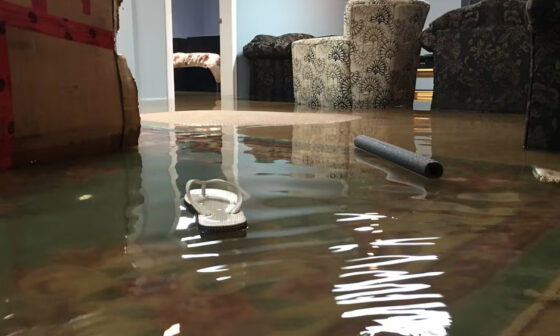
Flood and insurance research belongs near the beginning of a home search because it can affect affordability. Review the property’s flood zone, drainage, elevation information when available, roof age, storm protection, prior repairs, and insurance options.
A flood-zone designation is only one part of the decision. Request homeowners and flood insurance estimates when appropriate, and compare deductibles, coverage terms, mitigation features, and any available inspection or permit records before moving forward.
Study HOA, CDD, and Community Rules
A lower sale price does not automatically mean lower ownership costs. Ask for the HOA budget, current dues, rules, reserves, rental restrictions, pet policies, vehicle rules, and any known special assessments. In communities with a CDD, review how that charge appears on the tax bill and include it in your monthly budget.
Also, clarify what the fee covers. Amenities, gates, landscaping, irrigation, exterior maintenance, and common-area upkeep can vary significantly from one community to another.
Compare Home Condition and Maintenance
Similar prices can conceal very different maintenance needs. Compare roof age, HVAC systems, plumbing and electrical updates, windows, doors, drainage, appliances, pool equipment, seawalls where applicable, and renovation permits. Newer construction may offer modern layouts and newer systems, while older neighborhoods may offer mature landscaping, established streets, and larger lots.
Neither option is automatically better. The inspection report, maintenance history, insurance considerations, and your willingness to manage repairs should guide the decision.
Visit the Area at Different Times
Return to your leading neighborhoods on weekday mornings, weekday evenings, weekends, and after rain when practical. Observe parking, street lighting, standing water, traffic noise, sidewalks, nearby activity, and the time required to reach everyday services. A brief walk around adjacent streets can reveal details that a showing cannot capture.
Make a Clear, Practical Final Choice
Before making an offer, place your scorecard, estimated payment, taxes, association costs, insurance quotes, inspection questions, and commute notes in one place. The goal is not to choose the most talked-about Florida Gulf Coast neighborhood. It is to choose the one that matches your budget, routine, priorities, and long-term comfort with the responsibilities of homeownership.
Is Waterfront Property Always Better?
Not necessarily. Waterfront living may offer views, boating access, or a preferred lifestyle, but it can also involve different insurance, maintenance, and storm-related considerations. Evaluate the specific property and your intended use.
When Should Insurance Quotes Be Requested?
Request estimates as early as possible, ideally before an offer is submitted, when timing allows. Insurance costs can materially affect whether a home remains comfortable within your budget.