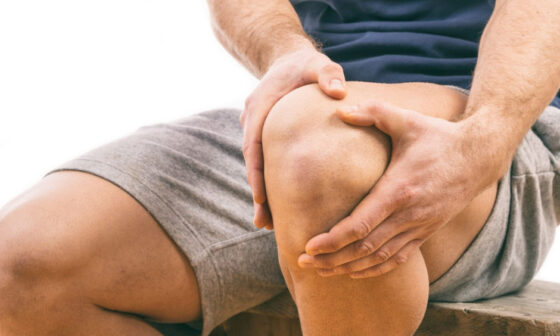
Whether your day in Newport News involves a desk job, a long Hampton Roads commute, home projects, caregiving, or recreational exercise, small movement choices can influence how your back and neck feel. A professional sciatica chiropractor in Newport News VA, may be part of a care plan for some people. Still, daily habits also matter for supporting comfort, mobility, and confidence with routine activities.
Spine-friendly habits are not about holding one rigid “perfect” posture or avoiding every challenging task. They are about varying positions, using sensible body mechanics, building strength gradually, and responding thoughtfully when pain persists or changes.
Why Daily Habits Matter for Spine Health
The spine works with muscles, joints, connective tissues, and nerves to help the body bend, walk, sit, reach, and carry. Repeating the same position for hours, lifting quickly, sleeping poorly, or suddenly doing more activity than usual may contribute to stiffness or soreness. Back pain can also have many causes, including injury and underlying medical conditions, so wellness habits are not a replacement for an evaluation when symptoms are concerning.
Still, practical routines can reduce unnecessary strain. Federal guidance on healthy back habits encourages gradual activity, frequent position changes during prolonged sitting, sensible lifting, regular sleep, a balanced diet, and the avoidance of smoking.
How Regular Movement Supports the Spine
Extended stillness can leave many people feeling stiff, especially after computer work, driving, or watching television. Instead of waiting for discomfort to build up, make movement part of your day. A brief walk between tasks, a few minutes of gentle mobility after waking, or standing during a phone call can break up long periods in one position.
- Walk for a few minutes after long meetings or errands.
- Shift between sitting, standing, and walking when practical.
- Use stairs if they are comfortable and safe for you.
- During longer drives, stop periodically to stand and move around.
Start gently, particularly after an inactive period. Movement that causes sharp pain, increasing numbness, or worsening symptoms deserves attention rather than an attempt to push through it.
Simple Posture Checks for Daily Life
Comfortable posture is an adaptable posture. Rather than forcing your body into one position, use quick resets throughout the day. When sitting, support both feet, relax your shoulders, and avoid letting your head remain far forward for long stretches. A small cushion or rolled towel behind the lower back may feel helpful for some people.
When standing, distribute weight comfortably through both feet and avoid locking the knees. For example, a remote worker in Newport News might raise a laptop screen, use an external keyboard when available, take calls while walking, and change positions between projects. Those small adjustments may be more sustainable than trying to sit all day perfectly.
How to Create a Spine-Friendly Workstation
Your desk setup should make common tasks easier without constant leaning, twisting, or reaching. A standing desk can add variety, but standing still for hours is not automatically better than sitting. The goal is to create options and use them.
Quick Workstation Checklist
- Place the top portion of the monitor near eye level.
- Keep the screen close enough that you do not need to lean forward.
- Support your feet on the floor or a stable footrest.
- Keep the keyboard, mouse, phone, and frequently used materials nearby.
- Set a reminder to stand, stretch, or walk regularly.
Safer Ways to Bend, Lift, and Carry
Groceries, laundry baskets, storage bins, yard supplies, and moving boxes can challenge the back when a load is heavy or awkward. Before lifting, pause to judge the weight. Move close to the object, bend through the hips and knees, keep the load near your body, and rise smoothly. Turn with your feet rather than twisting your torso while carrying a weight.
Taking two trips with lighter bags is often more manageable than carrying everything at once. Ask for help or use a cart when an item is unusually heavy, difficult to grip, or too large to keep close to your body.
Building Strength and Mobility
The hips, legs, abdominal muscles, and back all contribute to everyday movement. Walking, supported squats, gentle bridges, bird-dog exercises, light resistance training, yoga, and tai chi can be useful options when they fit your abilities. The best routine is one you can perform safely and repeat consistently, not the most intense workout on the calendar.
Progress slowly by adding time, repetitions, or resistance in small steps. If you are returning after surgery, injury, or a long break from exercise, seek individualized guidance first. For chronic low-back pain, evidence on exercise, yoga, tai chi, and other complementary approaches supports discussing options with a qualified health professional.
Sleep Positions and Recovery Habits
Sleep supports energy, recovery, and daily activity. No single sleep position is ideal for everyone, but side sleepers may find a pillow between the knees comfortable, while back sleepers may prefer support beneath the knees. Pillow height should allow the neck to rest comfortably rather than bending sharply upward or downward.
If morning stiffness continues, consider whether your pillow, mattress, sleep position, or nighttime routine needs adjustment. Consistent bedtimes, quieter wind-down activities, and less late-night screen use can also support better rest.
Hydration, Nutrition, and Body Weight
Balanced meals provide energy and nutrients that support bones, muscles, and general health. Build meals around protein, fruits, vegetables, whole grains, and calcium- and vitamin D-rich foods. Hydration is also part of overall wellness. However, drinking water alone cannot prevent back pain. Body weight is only one factor in spine health, and conversations about it should be practical, respectful, and individualized.
When to Seek Professional Help
Mild soreness after a new activity may improve with rest and gradual movement. However, seek prompt medical attention for new weakness in an arm or leg, numbness or tingling that persists or worsens, loss of bladder or bowel control, severe pain after a fall or accident, fever, unexplained weight loss, or feeling seriously unwell. Pain that repeatedly disrupts sleep, work, or normal activities also deserves professional evaluation.
A Simple Daily Spine-Support Routine
- Morning: Spend 2 to 5 minutes walking or doing gentle mobility exercises.
- During work: Reset your posture and change positions regularly.
- During chores: Keep loads close and avoid twisting while carrying them.
- During exercise: Choose manageable movement and increase gradually.
- At night, use a comfortable sleep position and allow adequate time to rest.
- Weekly: Notice which habits improve comfort and which activities trigger recurring stiffness.
Spine health does not require an elaborate routine. Consistent movement, sensible lifting, flexible posture habits, gradual strength work, and supportive sleep can create a practical foundation for daily life in Newport News. Listen to your body, make one change at a time, and seek professional care when symptoms persist, worsen, or include warning signs.