Key Takeaways
- Hands-on practice turns plumbing concepts into dependable work habits.
- New plumbers need safety awareness, tool skills, accurate measuring, system knowledge, and troubleshooting ability.
- Apprenticeships, technical programs, and helper roles can all support career development when they include meaningful supervision.
- Reliability, communication, clean work, and openness to feedback matter alongside technical skill.
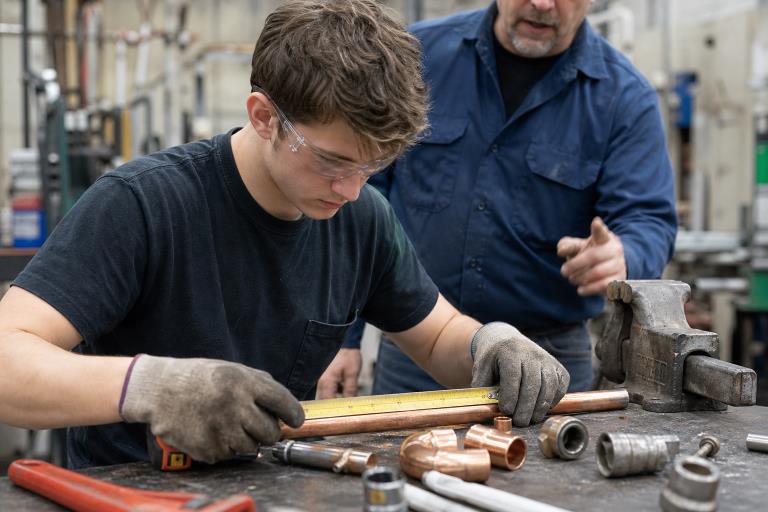
Plumbing is a practical trade. Reading about a fitting, drain assembly, or shutoff valve is useful, but job readiness develops when learners repeatedly use tools, inspect their work, and solve problems under guidance. A structured Plumbing Program can provide beginners with a starting point for building both technical knowledge and confidence in their work. Strong training does more than teach a sequence of steps. It helps learners understand why each step matters, how to work safely, and what to do when a job does not match the drawing or the expected condition. The goal is not to rush into difficult repairs. It is about building sound judgment, one skill at a time.
Why Practical Plumbing Skills Matter
A plumbing system connects many parts that affect one another. A leak at one fixture may involve a worn seal, loose connection, damaged supply line, poor drainage, or a problem farther along the system. Knowing the names of parts is different from being able to inspect the area, narrow down possible causes, and complete a clean repair. Repeated practice improves consistency. Measuring pipe, preparing a joint, setting a fixture level, or pressure-testing a connection may seem straightforward, but small errors can create leaks, wasted material, callbacks, or damage. Practical training provides learners with a controlled setting to make corrections before they are responsible for work in a customer’s home or on an active construction site. Plumbers commonly install, inspect, test, repair, and maintain piping systems, and the work can take place in homes, businesses, and other facilities. The duties of plumbers and related tradespeople also include reading blueprints and following applicable building codes, which makes both technical understanding and field awareness important.
The Main Skills New Plumbers Need
Tool Handling and Worksite Safety
Beginners should learn the purpose and safe use of common hand tools, measuring tools, cutting tools, and testing equipment. Safe habits come before speed. That includes wearing appropriate protective equipment, keeping the work area organized, handling materials carefully, using ladders properly, and recognizing when water, electricity, sharp edges, confined spaces, or heavy components create additional risks.
Pipe Measuring, Cutting, and Joining
Accurate layout begins with careful measuring and marking. Learners need to understand that a rushed cut or poorly prepared connection can affect the rest of the installation. Training should introduce common joining approaches at an appropriate level while emphasizing preparation, alignment, manufacturer instructions, and inspection rather than treating any method as a shortcut.
Reading Plans and Following System Layouts
Plans and diagrams help workers identify water supply lines, drains, vents, fixture locations, and equipment connections. A job site, however, may have framing, existing utilities, access limitations, or other conditions that are not obvious on paper. New workers should learn to compare the plan with the actual space, raise questions early, and follow approved changes and local requirements.
Troubleshooting and Fault Finding
Good troubleshooting is systematic. Start by confirming the reported problem, observing visible conditions, checking simple causes, and testing only when it is safe and appropriate. Low pressure, restricted flow, blockages, worn seals, corrosion, damaged components, and incorrect installation can produce similar symptoms. Replacing parts without a clear diagnosis can waste time and materials.
How Hands-On Training Builds Better Judgment
- Learn the basic principle behind the task.
- Watch an experienced worker demonstrate the correct process.
- Perform the task with supervision.
- Review the finished work and identify mistakes.
- Repeat the process until the result is consistent.
This cycle helps learners connect cause and effect. Feedback on a crooked cut, poor measurement, loose support, or incomplete test teaches more than being told that the work was wrong. Over time, learners become better at spotting issues before they turn into larger problems.
Choosing the Right Training Path
Apprenticeships
Apprenticeships combine structured instruction with supervised work experience and may allow participants to earn while they learn. People exploring this route can use registered apprenticeship resources to understand available programs and the process of becoming an apprentice. Program details, licensing rules, and entry requirements can vary by location.
Technical and Community College Programs
Technical programs can provide organized classroom lessons, lab practice, safety instruction, and connections to local employers. Before enrolling, ask how much time is spent using tools and completing realistic tasks, how instructors evaluate work, and whether the program helps students transition into supervised employment.
Entry-Level Helper Roles
Helper roles can introduce learners to job-site routines, material handling, cleanup, tool organization, and communication with experienced tradespeople. The strongest entry-level opportunities provide clear supervision and gradually expand responsibilities as skills improve.
What to Check Before Choosing a Program
- Hands-on practice:Find out how often students work with fittings, fixtures, tools, and testing equipment.
- Instructor experience:Look for instructors who understand current job-site expectations.
- Safety instruction:Confirm that safe procedures are built into practical lessons.
- Credentials and requirements:Ask how the training supports local licensing or apprenticeship goals.
- Workplace exposure:Determine whether the program offers employer connections or supervised field experience.
- Completion support:Ask about resume help, interview preparation, basic tool guidance, and next steps.
Common Mistakes New Plumbing Learners Make
- Buying a large collection of specialized tools before understanding the work requirements.
- Trying to work faster before developing an accurate, clean technique.
- Skipping measurements or failing to verify them before cutting.
- Ignoring manufacturer instructions, approved plans, or local requirements.
- Working through a complex issue without asking for help.
- Overlooking communication, documentation, and cleanup.
Soft Skills That Help Plumbers Succeed
Punctuality, respectful communication, attention to detail, and teamwork help technical skills translate into dependable work. Plumbers may need to explain a repair in plain language, coordinate with other trades, document what was completed, and leave the area in an orderly condition. A worker who listens, asks useful questions, and follows through can earn greater responsibility over time.
How to Practice Between Training Sessions
- Review one system concept at a time.
- Sketch simple supply, drain, and vent layouts.
- Practice measuring and marking before making cuts.
- Keep notes on new terms, errors, and questions.
- Review safety procedures before practical work.
- Ask an instructor or experienced worker to inspect completed practice tasks.
Frequently Asked Questions
Can Someone Start Learning Plumbing With No Experience?
Yes. Beginners can start with safety, basic tools, measuring, material identification, and simple system concepts. Skills should progress gradually through supervised practice.
How Long Does It Take to Become Job-Ready?
The timeline depends on the type of work, local requirements, practice time, and access to supervision. Basic familiarity can come early, but dependable performance requires repetition and feedback.
What Should a Beginner Buy First?
Start with the basic items required by the training provider or employer. Add specialized tools after gaining enough experience to understand when and why they are needed.
Conclusion
Job-ready plumbing skills come from careful practice, sound safety habits, useful feedback, and real responsibility. Whether the path begins with an apprenticeship, technical program, or helper role, learners should look beyond course titles and focus on what they will actually practice, inspect, and improve before entering the field. Training should provide opportunities to work with common tools, materials, fittings, and plumbing systems while reinforcing proper procedures and jobsite safety. Learners can also benefit from understanding how to read basic plans, identify problems, follow instructions, and communicate clearly with supervisors and other trades. Consistent practice and hands-on experience can help turn classroom knowledge into practical skills useful on real job sites. By building technical ability alongside safety awareness and reliable work habits, aspiring plumbers can enter the field better prepared to continue learning and take on greater responsibilities.