Key Takeaways
- Cosmetic treatment works best when teeth, gums, and bite concerns are evaluated first.
- The right option depends on the actual concern, not simply on what is popular online.
- Whitening, bonding, reshaping, and orthodontic treatment can sometimes address concerns with less alteration to natural teeth.
- More involved care may combine cosmetic and restorative treatment to support appearance and function.
- Before committing, compare treatment time, upkeep, expected longevity, cost, and alternatives.
Whether you are preparing for family photos, a professional milestone, or simply want to feel more comfortable when you smile, cosmetic dental decisions deserve more than a quick trend-based answer. Exploring cosmetic dentistry in Fairfax County, VA can begin with a straightforward question: what, specifically, would you like to change?
A brighter smile, a repaired chip, straighter teeth, or a more balanced gumline may call for very different approaches. The most appropriate plan should account for your oral health, natural tooth structure, bite, budget, schedule, and the level of maintenance you are comfortable taking on.
Start With The Real Concern
“I want a better smile” is a useful starting point, but it is not yet a treatment goal. Try to identify what catches your attention: surface stains, darker overall color, a small chip, uneven edges, gaps, crowding, worn teeth, old dental work, a missing tooth, or gums that show more than you would like. A clear description helps distinguish a simple cosmetic concern from one involving tooth position, damage, or gum health.
For example, someone bothered by coffee or tea stains may be considering whitening, while someone with short, flattened teeth may need an assessment of wear and bite forces before changing tooth color. The visible issue is important, but so is the reason it developed.
Why Oral Health Comes First
Cosmetic care should not cover an untreated problem. Cavities, gum inflammation, cracked teeth, sensitivity, and bite concerns can affect comfort and may change which treatments are suitable. A dental evaluation may include an exam, photographs, X-rays, digital scans, and a review of existing fillings, crowns, or other restorations.
Healthy gums and stable tooth structure create a better foundation for cosmetic changes. This is especially important before whitening, veneers, orthodontic treatment, or products purchased without an in-person evaluation. Addressing disease or damage first can make later decisions more predictable.
Common Treatment Options By Smile Goal
- Stains or dull color: Professional whitening and over-the-counter products may help with certain types of discoloration. However, crowns, fillings, and veneers do not whiten in the same way as natural enamel. Review safe teeth whitening guidance before choosing a product, particularly if you have sensitivity or are unsure why a tooth looks darker.
- Small chips or uneven edges: Bonding or limited enamel contouring may be options when the tooth is otherwise healthy and the change needed is modest.
- Gaps or selected shape concerns: Bonding and veneers can improve certain spaces or proportions, but the size of the gap, bite, and tooth position matter.
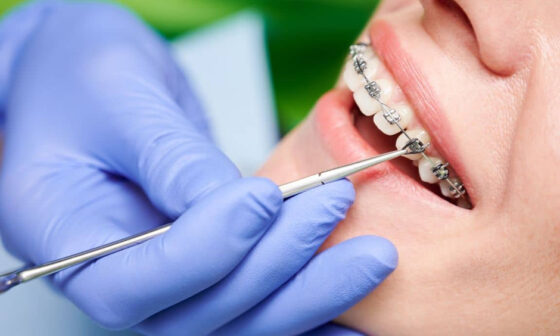
- Crooked or crowded teeth: Orthodontic treatment may move teeth into a healthier or more balanced position. In some cases, alignment can reduce the need for extensive reshaping or restorations.
- Worn or weakened teeth: Restorative options may be considered when appearance and tooth protection both need attention.
- Missing teeth: Bridges, removable dentures, and implants each have different requirements, benefits, and maintenance needs.
- Gumline concerns: Gum health and the position of the gum tissue should be assessed before cosmetic reshaping is considered.
When A Smaller Change May Be Enough
A conservative option is not automatically the best option, but it is worth discussing when it can meet your goal. Whitening may be enough for color concerns. Bonding may address a small chip. Minor reshaping may smooth one uneven edge. Orthodontic treatment may improve alignment without placing restorations over teeth that are otherwise healthy.
Preserving natural tooth structure can be an important consideration because some treatments involve changing enamel or replacing restorations in the future. At the same time, smaller treatments may still require touch-ups, repairs, retainers, or continued monitoring. A modest improvement can be valuable when it fits your priorities and looks natural in everyday Fairfax County life, from work meetings to neighborhood gatherings.
How Treatment Planning Works
- Describe your priorities: Explain what you want to change, what you like about your smile, and what result would feel realistic.
- Review oral health: Teeth, gums, bite, and existing dental work should be considered before cosmetic changes are planned.
- Compare suitable options: Discuss benefits, limits, possible risks, cost, and maintenance for each approach.
- Set the sequence: Health treatment, alignment, whitening, bonding, veneers, crowns, or tooth replacement may need to happen in a particular order.
- Preview expectations: Photographs, shade guides, scans, or mock-ups may help clarify shape, color, and proportion before treatment begins.
Time, Cost, And Maintenance
Costs vary with the procedure, materials, number of teeth involved, preparation required, and future follow-up. Some treatments can be completed quickly, while orthodontic or multi-step restorative plans may take months. If you have a wedding, graduation, interview, or travel date ahead, discuss timing early rather than assuming every option can be accelerated safely.
Long-term care matters, too. Brushing, flossing, routine cleanings, dietary habits, tobacco use, and teeth grinding can affect both natural teeth and cosmetic work. Ask whether you may need whitening touch-ups, a retainer, a night guard, repairs, or eventual replacement of restorations.
Questions To Ask Before Treatment
- What is causing the concern I see?
- Are my teeth and gums healthy enough for this option?
- Is there a less extensive treatment that could meet my goal?
- How much natural tooth structure may be changed?
- How will my bite or teeth grinding affect the result?
- Will existing crowns, fillings, or veneers affect the final shade?
- What maintenance and future care should I expect?
- What is the complete estimated cost, including likely follow-up care?
Common Questions About Cosmetic Dental Care
Are veneers right for every smile?
No single treatment is right for everyone. Veneers may help address selected chips, stains, gaps, or shape concerns, but enamel, gum health, bite forces, and long-term care should be reviewed first. Understanding dental veneer care basics can also help set expectations about preparation, cleaning, and maintenance.
Should teeth be straightened before other cosmetic work?
Sometimes. Moving teeth first may improve spacing or alignment and reduce the amount of reshaping needed later. The best order depends on your starting tooth positions and the result you want.
How can a result look natural?
Natural-looking care considers tooth proportions, shade, facial features, gum display, and the character of your existing smile. Bring examples to a consultation, but use them as a conversation starter rather than a blueprint. A balanced result should suit you, not simply copy a filtered image.
Making A Confident Choice
The strongest cosmetic dental plan is not necessarily the fastest or most dramatic one. It is the option that matches your concern, supports oral health, fits your timeline and budget, and gives you a result you can maintain comfortably. A careful evaluation helps you compare small changes with more comprehensive treatment and choose a smile that feels like your own.