Preparing a commercial property for incoming tenants is a critical phase in real estate management that directly impacts property value, tenant satisfaction, and long-term retention. A well-maintained, secure, and compliant facility attracts high-quality business occupants while minimizing costly vacancy periods between lease agreements. Commercial landlords and property managers must systematically evaluate structural integrity, mechanical infrastructure, interior layout flexibility, safety compliance, and exterior curb appeal. Taking proactive steps to refresh and secure the premises ensures a seamless lease transition, minimizes future maintenance disputes, and establishes a strong foundation for a profitable, long-term landlord-tenant relationship.
Comprehensive Structural and Mechanical Infrastructure Audits
Before welcoming a new tenant into a commercial facility, conducting a thorough inspection of all primary building systems is essential. Structural elements, roofing membranes, plumbing networks, electrical panels, and HVAC units must undergo rigorous functional audits to verify operational efficiency and safety.
Neglecting foundational mechanical components can lead to sudden system breakdowns early in a new lease term, resulting in emergency repair expenses, business disruptions for the tenant, and potential lease disputes. Hiring certified inspectors to service HVAC filters, test electrical loads, check plumbing flow rates, and verify roof drainage guarantees that the property operates at peak performance before occupancy begins.
Additionally, providing new tenants with documented inspection reports and maintenance logs builds operational transparency. Demonstrating that heating, cooling, and power systems have been professionally serviced reassures business owners that their daily operations will run smoothly without unexpected utility interruptions.
Servicing HVAC Systems and Indoor Air Quality Controls
Conducting comprehensive HVAC inspections ensures heating and cooling units deliver balanced airflow, correct temperatures, and efficient power usage.
Replacing air filters, cleaning condenser coils, and testing ductwork integrity prevents early system failures while maintaining fresh indoor air quality. Routine HVAC servicing protects mechanical investments.
Inspecting Electrical Panels and High-Capacity Power Outlets
Verifying that electrical sub-panels meet modern commercial power demands prevents circuit overloads when tenants install heavy equipment or computers.
Testing emergency lighting, exit signs, and backup power generators ensures complete life-safety compliance across all commercial spaces. Electrical auditing guarantees operational safety.
Property Security, Perimeter Defense, and Access Control
Securing a commercial property is a primary concern for incoming business tenants who need to protect inventory, proprietary data, machinery, and personnel. Landlords must evaluate both physical perimeter barriers and electronic access control systems prior to tenant move-in days.
Re-keying all physical door locks, resetting electronic keycard databases, and clearing previous tenant access credentials prevents unauthorized entry into the premises. Installing updated digital access readers, high-definition security cameras, and exterior motion-sensor lighting provides modern security infrastructure that tenants value highly.
For industrial properties, warehouse facilities, or retail centers featuring outdoor storage yards, securing the property perimeter is equally vital. Investing in professional commercial chain link fence installation in Orem or surrounding business hubs provides durable, secure boundary protection that keeps outdoor inventory, service vehicles, and equipment yards safe from unauthorized entry and vandalism.
Updating Digital Access Credentials and Lock Systems
Deleting legacy access codes and reissuing fresh keycards guarantees that former employees or previous tenants cannot enter the building after hours.
Installing modern keyless entry hardware allows new tenants to manage employee access permissions easily through digital management software. Access management protects tenant security.
Fortifying Outdoor Storage Yards and Equipment Enclosures
Enclosing exterior dumpster pads, utility controls, and inventory storage yards with heavy-duty fencing deters trespassing and keeps property grounds tidy.
Adding security gates with automated latches controls vehicle access effectively, ensuring outdoor assets remain protected around the clock. Perimeter fortification enhances property safety.
Lease-Ready Interior Space Customization and Repairs
Commercial tenants often require specific interior layouts to accommodate their unique business models, whether operating an open-plan office, a medical clinic, a retail showroom, or an industrial workshop. Landlords should determine whether to deliver the space as a clean white-box shell or execute customized tenant improvements.
Executing basic interior repairs—such as patching drywall holes, applying fresh coats of neutral paint, replacing stained ceiling tiles, and deep cleaning or installing new commercial flooring—instantly elevates the visual appeal of the space. A pristine, well-lit interior allows prospective tenants to visualize their business operations clearly during walkthroughs.
Furthermore, clearly defining tenant improvement allowances and construction boundaries within the lease agreement prevents misunderstandings during build-out phases. Establishing guidelines for structural modifications, plumbing tie-ins, and electrical alterations protects the building’s core integrity while giving tenants the flexibility they need.
Applying Neutral Interior Finishes for Design Versatility
Painting interior walls in clean, neutral tones creates a bright, professional backdrop that complements any corporate branding scheme effortlessly.
Replacing worn carpet tiles or polishing concrete floors removes unsightly stains and delivers an appealing, low-maintenance surface for heavy foot traffic. Neutral finishes accelerate lease sign-offs.
Defining Tenant Improvement Guidelines and Boundaries
Establishing clear architectural standards ensures tenant build-out modifications comply with building codes and structural load limits.
Reviewing contractor plans prior to demolition prevents accidental damage to load-bearing walls or centralized plumbing stacks. Construction oversight protects structural assets.
Regulatory Code Compliance and Life-Safety Verification
Ensuring a commercial space fully complies with local building codes, fire safety regulations, and disability accessibility standards is a non-negotiable step when preparing for new occupants. Non-compliance can result in delayed occupancy permits, costly municipal fines, or legal liabilities.
Inspect all fire suppression systems, smoke detectors, fire extinguishers, and sprinkler lines to verify they have passed recent municipal inspections and bear valid certifications. Ensure emergency exit doors open smoothly, remain unblocked, and feature functional panic hardware connected to local alarm systems.
Additionally, verify that the property satisfies Americans with Disabilities Act accessibility guidelines. Checking handicap parking stalls, entrance ramps, doorway widths, and restroom clearance dimensions ensures the facility welcomes all employees and customers comfortably while protecting the landlord from accessibility compliance claims.
Recertifying Fire Suppression and Alarm Infrastructure
Scheduling mandatory annual fire sprinkler and alarm testing guarantees emergency systems activate properly during smoke or heat events.
Placing up-to-date inspection tags on fire extinguishers demonstrates strict compliance with municipal commercial safety codes. Fire certification safeguards building occupants.
Verifying ADA Accessibility in Public Facilities
Ensuring exterior approach ramps, entrance thresholds, and public restrooms meet modern accessibility standards provides equal access for all visitors.
Upgrading door handles to lever-style hardware and widening interior corridors removes physical barriers for mobility-impaired individuals. ADA compliance protects against legal liability.
Enhancing Exterior Curb Appeal and Site Landscaping
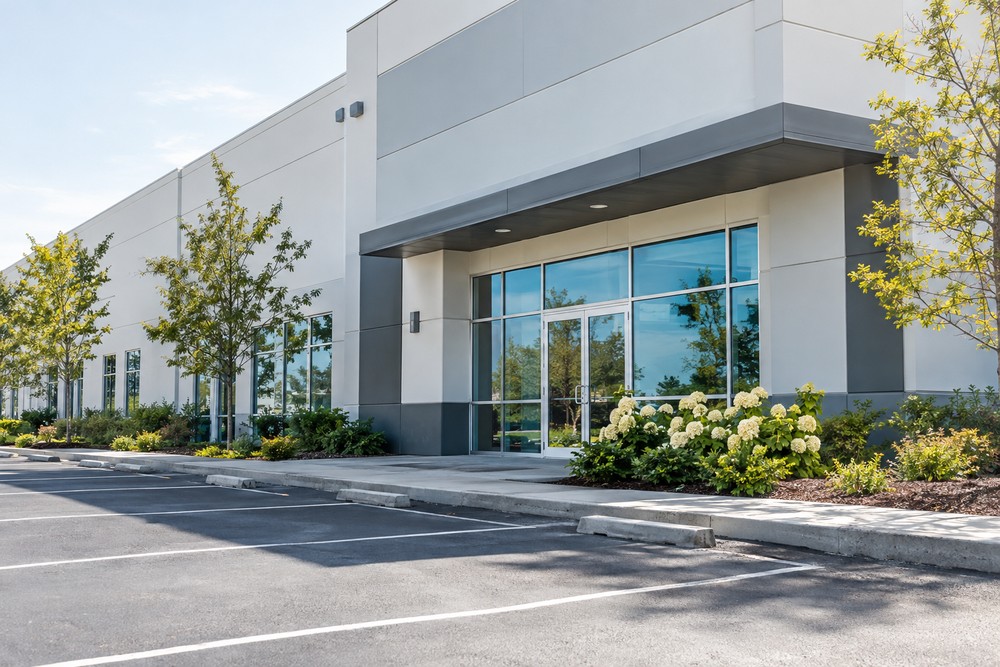
First impressions play a powerful role in commercial real estate leasing. The exterior appearance of a building reflects directly on the professionalism of the businesses operating inside, making curb appeal a key factor for prospective tenants and their visiting clients.
Examine the building facade, windows, entryways, and signage structures for signs of wear, dirt accumulation, or physical damage. Pressure-washing exterior masonry, cleaning window glass thoroughly, repairing cracked sidewalk paving, and refreshing corporate building signage frames instantly transforms the property’s exterior aesthetic.
Simultaneously, revitalize site landscaping by trimming overgrown tree branches, weeding garden beds, laying fresh mulch, and maintaining crisp lawn edges. A clean, well-manicured exterior signals to incoming tenants that the property is managed with care and pride, justifying premium rental rates.
Pressure-Washing Building Facades and Walkways
Removing built-up grime, oil stains, and bird droppings from concrete entrances and building cladding restores a clean, inviting exterior appearance.
Pristine sidewalks prevent slip hazards and create an attractive entry sequence for employees and visiting clients alike. Exterior cleaning elevates property appeal.
Maintaining Manicured Landscaping and Clear Sightlines
Pruning dense bushes near building entrances eliminates potential security blind spots while creating a polished, professional landscape profile.
Adding fresh mulch and vibrant seasonal plantings along main walkways provides welcoming pops of color that impress visitors instantly. Landscape maintenance drives positive impressions.
Parking Lot Optimization and Outdoor Utility Management
Parking facilities represent a high-use component of commercial real estate that requires careful preparation prior to a new tenant’s arrival. Adequate, well-organized parking is essential for employee satisfaction and customer access across retail, office, and industrial sectors.
Inspect parking lot surfaces for deep asphalt cracks, potholes, and drainage issues that could cause vehicle damage or pedestrian trip hazards. Sealing asphalt surfaces and repainting crisp parking stall lines, handicap symbols, loading zone boundaries, and directional traffic arrows maximizes parking capacity and improves traffic flow.
Additionally, evaluate outdoor lighting fixtures, trash enclosures, and utility connections. Replacing burned-out parking lot light bulbs with bright, energy-efficient LED fixtures enhances evening security, while repairing dumpster gates keeps waste management areas clean and hidden from public view.
Repairing Asphalt Surfaces and Repainting Parking Lines
Filling pavement potholes and seal-coating asphalt prevents water penetration, extending the working lifespan of expensive parking lot surfaces.
Restripe parking stalls clearly to optimize vehicular capacity and designate reserved spots for incoming tenant executives. Parking optimization improves site logistics.
Upgrading Exterior Parking Illumination to LED Fixtures
Installing high-output LED floodlights across parking lots eliminates dark shadows, improving safety for evening staff and visitors.
Energy-efficient LED lighting lowers common-area electricity costs while providing superior illumination for video surveillance cameras. Exterior lighting strengthens site security.
Establishing Clear Lease Documentation and Move-In Protocols
The physical preparation of a commercial building must be paired with disciplined administrative planning to ensure a smooth, organized transition on move-in day. Clear communication regarding property rules, maintenance responsibilities, and move-in logistics prevents day-one chaos.
Conduct a comprehensive pre-occupancy walkthrough with the incoming tenant, documenting the exact physical condition of the property using detailed written checklists and high-resolution photographs. Both parties should sign off on the move-in condition report to establish a clear baseline for future security deposit returns or lease-end restoration expectations.
Furthermore, provide new tenants with a comprehensive welcome packet detailing emergency contact numbers, utility account transfer instructions, trash collection schedules, building rules, and HVAC operation manuals. Establishing clear operational communication channels from day one fosters a professional, cooperative landlord-tenant partnership.
Executing Detailed Pre-Occupancy Move-In Walkthroughs
Photographing existing wall finishes, flooring conditions, and mechanical equipment creates an unalterable visual record of the property’s baseline state.
Documenting minor pre-existing wear prevents lease-end security deposit disputes between landlords and tenants. Detailed walkthroughs protect both parties.
Distributing Comprehensive Tenant Operational Handbooks
Providing clear instructions for thermostat programming, security alarm operation, and trash disposal helps new tenants settle in effortlessly.
Listing emergency maintenance phone numbers ensures urgent plumbing or electrical issues are reported and resolved before major damage occurs. Operational handbooks streamline property management.
Conclusion
Preparing a commercial property for new tenants is a multifaceted process that requires careful attention to structural mechanics, perimeter security, interior design flexibility, regulatory code compliance, curb appeal, parking logistics, and administrative organization. By conducting thorough mechanical audits, fortifying property boundaries with high-quality fencing, defining tenant improvement boundaries, ensuring ADA and fire code compliance, and executing detailed move-in walkthroughs, landlords create high-value commercial assets that attract premier business occupants. Investing time and resources into proper property preparation minimizes vacancy downtime, protects long-term real estate value, and sets the stage for a successful, mutually beneficial leasing experience.