Key Takeaways
- Brush twice daily with fluoride toothpaste and clean between teeth once a day.
- Use gentle brushing techniques and replace worn toothbrushes or brush heads.
- Choose water often and limit frequent exposure to sugary or acidic foods and drinks.
- Watch for bleeding or swollen gums, persistent sensitivity, pain, bad breath, or changes in the mouth.
- Do not ignore sores, lumps, or unusual areas that do not heal within a few weeks.
- Routine dental visits can help identify problems before they become more difficult to manage.
- Adjust oral care routines based on individual health needs, medications, and dental history.
In Norfolk, everyday routines often move quickly, from early commutes through Hampton Roads traffic to busy school, work, and family schedules. A dependable oral care routine helps protect teeth and gums even when a dental visit is not immediately on the calendar. Norfolk General Dentistry can support that routine with preventive care and guidance tailored to changes in your mouth. Oral health problems can begin quietly. Plaque, a sticky film of bacteria, can build up along teeth and the gumline before discomfort starts. In fact, one in five adults ages 20 to 64 has at least one untreated cavity. Consistent home care is usually simpler, more comfortable, and less disruptive than waiting for a toothache or swollen gums to force the issue.
Why Daily Care Matters
When bacteria in plaque use sugars from food and drinks, they produce acids that can weaken enamel. Saliva helps clear acids and repair the tooth surface, but repeated exposure can overwhelm that natural process. Cavities and gum problems may therefore progress before they cause obvious pain. Good oral health also supports comfortable eating, speaking, and smiling. It is connected with overall wellness, although a connection between oral conditions and other health concerns does not always mean one directly causes the other. The practical takeaway is straightforward: daily care and timely professional attention help keep small concerns from becoming larger ones.
How To Build A Simple Oral Care Routine
A useful routine does not require a cabinet full of products. Focus on doing a few basics thoroughly and consistently:
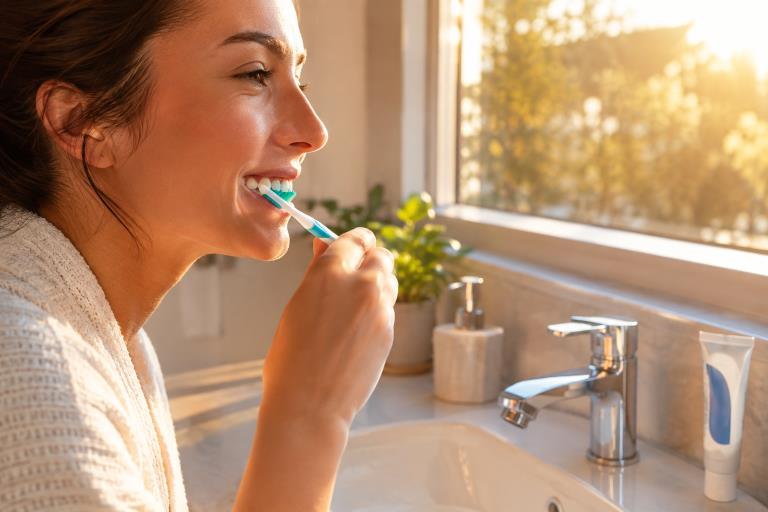
- Brush twice each day with fluoride toothpaste.
- Use a soft-bristled toothbrush and gentle, small motions along the gumline.
- Clean between the teeth once a day with floss or another interdental cleaner that works for your mouth.
- Clean the tongue gently if coating or persistent odor is a concern.
- Replace a toothbrush or powered brush head when the bristles become worn.
- Rinse with water after meals when brushing is not practical.
Make the habit easy to repeat. Keep supplies visible near the sink, use a two-minute timer, or link brushing to an established habit such as getting dressed in the morning and preparing for bed at night. A routine that fits real life is more likely to last.
Small Steps That Protect The Gums
Healthy gums generally look firm and feel comfortable. Regular bleeding, puffiness, tenderness, or a lingering bad taste are signs worth discussing with a dental professional. A toothbrush cleans many visible surfaces, but it cannot fully reach the tight spaces between teeth, which is why daily between-teeth cleaning matters. More pressure is not better. Brushing aggressively can irritate gums and contribute to wear near the gumline. Tobacco use, dry mouth, inconsistent cleaning, some medications, and certain health conditions can also raise the chance of gum concerns. Early inflammation may improve with stronger home habits and professional guidance.
A Quick Gum Health Check
- Are your gums red, puffy, or tender?
- Do they bleed during brushing or flossing?
- Does bad breath continue despite regular cleaning?
- Do teeth appear longer because the gums have receded?
- Does chewing cause discomfort?
How Food And Drinks Affect Teeth
Frequency matters as much as quantity. Sipping soda, sweetened coffee, sports drinks, fruit drinks, or acidic beverages throughout the day repeatedly exposes teeth to sugar and acid. Water is usually the best everyday choice, especially between meals. Try to keep sweets with a meal instead of grazing on them for hours. For example, one dessert eaten with dinner gives the mouth a recovery period afterward, while several sugary snacks spread across an afternoon create repeated acid challenges. After acidic food or drinks, rinse with water and wait a little while before brushing, so softened enamel is not scrubbed immediately. If dry mouth is a concern, ask a dental professional whether sugar-free gum may be appropriate.
Warning Signs That Should Not Be Ignored
Dental problems do not always begin with severe pain. Schedule an evaluation when a symptom persists, returns, or worsens. Pay attention to tooth pain or sensitivity, swollen or bleeding gums, a cracked or loose tooth, ongoing bad breath, chewing discomfort, jaw pain, or a change in how dentures fit. A sore, lump, rough patch, or red or white area that does not heal deserves prompt attention. The American Dental Association advises people not to ignore a sore or lump that has not healed within two to three weeks, particularly when accompanied by bleeding, pain, hoarseness, or difficulty swallowing. Difficulty opening the mouth, swallowing, or speaking also warrants professional advice.
What Routine Dental Visits Can Find
Routine visits offer an opportunity to check teeth, gums, tongue, jaw, and other soft tissues. A dental team may identify early decay, worn dental work, enamel wear, gum disease, fractures, dry mouth, or concerns related to clenching, grinding, snoring, or sleep quality. Visit timing is personal. Some people may benefit from one or two routine visits each year, while others need a different schedule based on their oral health history, age, medications, and medical needs. Before an appointment, write down any new symptoms, bring an updated medication list, share any relevant changes in health or stress, and ask for clear home care instructions.
Common Questions About Everyday Oral Care
Is Flossing Still Needed If The Gums Do Not Bleed?
Yes. No bleeding does not prove every surface is clean. Floss or another interdental cleaner can remove plaque and trapped food from spaces a toothbrush may miss.
Can Tooth Sensitivity Go Away On Its Own?
Occasional sensitivity can have several causes, including enamel wear, gum recession, decay, or a damaged filling or crown. Sensitivities that repeat, become sharper, or interfere with eating should be checked.
Is Mouthwash A Substitute For Brushing?
No. Mouthwash can be a helpful addition for some people, but it does not replace brushing with fluoride toothpaste or cleaning between the teeth.
How Can Dental Anxiety Be Managed?
Tell the dental team about your concerns before treatment begins. Ask for step-by-step explanations, agree on a hand signal for breaks, allow enough time for appointments, and focus on one manageable goal at a time.
Does Oral Health Affect Overall Health?
Oral health is closely linked to broader health concerns, and conditions such as dry mouth or diabetes can make oral care more challenging. The most useful approach is to keep both medical and dental providers informed about changes in your health, medications, and symptoms.
A Simple Plan For Better Oral Health
For Norfolk residents, a stronger oral health plan begins with steady basics: brush twice daily, clean between teeth, choose water often, limit frequent sugar and acid exposure, and notice changes in your mouth. Consistent habits, paired with timely professional care, can help protect your smile for years to come.
Conclusion
Good oral health in a busy Norfolk routine does not require complicated habits. Brushing twice a day, cleaning between the teeth, choosing water more often, and limiting frequent exposure to sugar and acid can provide a practical foundation for daily care. Paying attention to changes such as bleeding gums, sensitivity, swelling, persistent bad breath, or mouth sores can also help identify concerns that deserve professional attention. Routine dental visits add another layer of prevention by allowing the teeth, gums, and other areas of the mouth to be regularly checked. By keeping daily habits consistent and seeking care when something changes, Norfolk residents can make it easier to maintain oral health while reducing the chance that small concerns go unaddressed.