Southeast Asia is experiencing a profound shift in its luxury retail landscape. Rising disposable incomes and rapid urbanisation across the region have steered consumer purchasing behaviours away from traditional gold hoarding. Instead, a new demographic of buyers is investing in modern, customised, and aesthetically unique fine jewellery. This evolution is creating entirely new retail ecosystems, blending physical studio consultations with advanced digital storefronts. As more international investors and entrepreneurs explore essential strategies for expanding your business operations into Thailand, the bespoke luxury market has simultaneously capitalised on this influx of global talent and wealth.
Northern Artistry and International Demand
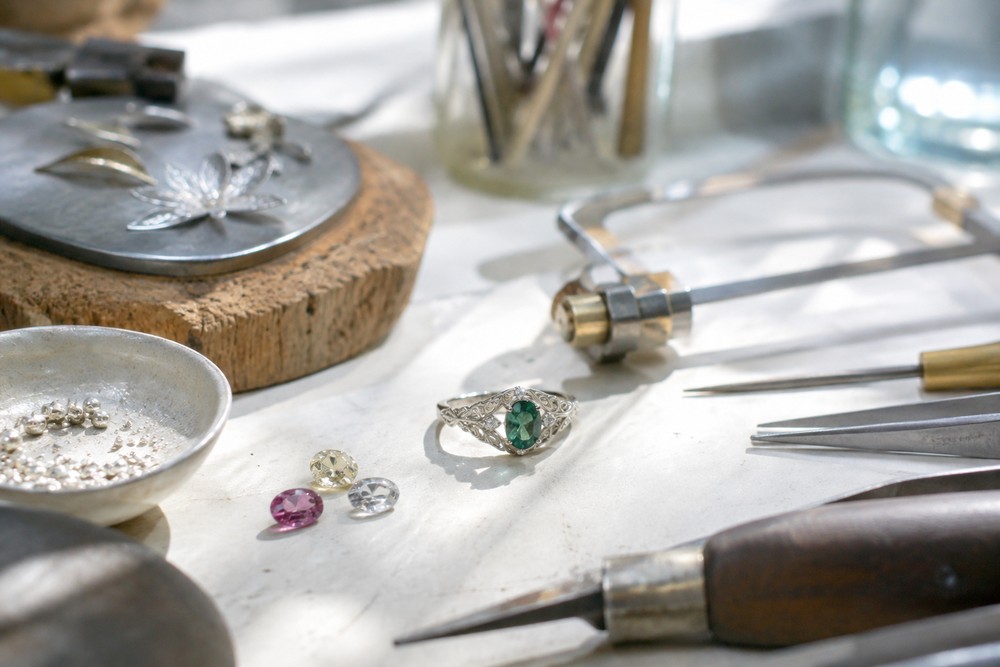
Thailand has positioned itself at the epicentre of this bespoke movement. Chiang Mai’s historic Wua Lai district, for example, has successfully transitioned from a traditional sixteenth-century silversmithing quarter into a modern, internationally recognised hub for bespoke design. Master craftsmen in the region now cater to a global clientele that values intricate detailing over mass-produced uniformity.
As consumer spending shifts towards highly individualised goods, online searches for an engagement ring Thailand have surged, reflecting a broader desire for unique craftsmanship. Expatriates and international professionals relocating to the region are increasingly commissioning these high-value pieces directly from local artisan workshops, bypassing global retail conglomerates entirely to secure something truly personal.
The Shift Towards Experiential Luxury
The regional market is undergoing steady structural expansion. In 2025, the Southeast Asian jewellery market reached a valuation of $9.4 billion, with projections indicating it will hit $12.6 billion by 2034. Much of this growth is driven by the rise of experiential luxury. Consumers no longer just want a finished product. They want the hands-on experience of collaborating directly with a master jeweller to design a one-of-a-kind piece. Millennial and Gen Z buyers, in particular, are driving this change, viewing their jewellery as a wearable investment that tells a personal story.
According to a 2025 market study by Bain & Company, jewellery emerged as a standout category globally, driven by focused clienteling and experiential retail. This trend is perfectly embodied by bespoke artisans in Southeast Asia. Buyers are increasingly prioritising the narrative behind their purchases, demanding both transparency and highly personalised services from their chosen jewellers.
Economic Support and Industry Standards
The success of the bespoke jewellery sector is not solely driven by consumer demand. It is also the result of strategic economic support and a strong regulatory framework that encourages foreign investment and local innovation. Finished gems and jewellery consistently rank as Thailand’s third-largest export category, accounting for nearly 8% of the country’s total exports. In the first ten months of 2025 alone, exports experienced a massive 49% growth, reaching nearly $23 billion and marking a twenty-year high for the industry.
Several key factors contribute to this sustained economic success:
- Government Incentives: The Thailand Board of Investment actively stimulates the custom jewellery sector by offering up to a three-year corporate income tax exemption and waiving import duties on essential machinery and raw materials.
- Stringent Certification: The Gem and Jewelry Institute of Thailand is deploying new risk management and supply chain verification standards for 2026 to elevate the country’s status as a transparent, global hub.
- Global Networking: The bi-annual Bangkok Gems & Jewelry Fair continues to serve as a vital economic engine, connecting local artisanal workshops with high-net-worth international buyers and elite global brands.
- Ethical Sourcing Innovations: Successful Thai jewellers are rapidly adopting blockchain traceability for gemstones, zero-carbon manufacturing, and the use of recycled precious metals to meet the ethical demands of modern luxury consumers.
Looking Ahead at the Regional Luxury Sector
The integration of sustainable practices is expected to capture over 20% of the broader diamond sector by 2027, driven heavily by the regional adoption of lab-grown diamonds. Furthermore, prominent Southeast Asian demi-fine and luxury brands have recently secured multi-million dollar funding rounds. These financial milestones highlight a critical reality for the ASEAN economic zone. Bespoke luxury is no longer just a niche artisanal trade, but a highly scalable business model capable of competing on the world stage. As the bespoke jewellery business continues to transform luxury markets, Thailand remains a masterclass in how traditional craftsmanship can be successfully modernised for the future.