Your child’s smile can seem to change overnight during the teen years. One month they still have a few baby teeth hanging on, the next their mouth looks crowded, their gums seem swollen, and they are asking for sports drinks, braces, or whitening toothpaste. You may be noticing more complaints about sensitivity, bad breath, or bleeding when brushing, and it is easy to wonder whether this is a normal part of growing up or the start of a bigger problem. While topics like braces and even advanced implant dentistry in San Jose may come up in broader dental conversations, most teen dental changes are related to normal development and oral hygiene habits.
Dental changes during adolescence are real, and they are not just cosmetic. The teen years bring major shifts in tooth position, jaw growth, hormones, diet, and daily habits. Some changes are expected, but this is also the stage when cavities, gum irritation, and enamel damage can quietly take hold. A trusted family dentist can help you sort out what is normal, what needs treatment, and what can wait.
Teen dental development brings more than just new teeth
By adolescence, most permanent teeth have erupted or are close to it. Wisdom teeth may begin developing under the gums, the bite may shift as the jaw grows, and crowding can become more obvious even in a child who never had early dental issues. That is one reason oral health changes in teens often catch parents off guard. The mouth is still developing, even if all the baby teeth are gone.
Hormones add another layer. Puberty can make gums more sensitive and reactive to plaque, which means a teen who brushes the same way they did at age ten may suddenly have red, puffy, or bleeding gums. According to the NCBI overview of adolescent health, puberty affects multiple body systems, and oral tissues respond too. This is not a sign that your child is doing everything wrong, but it is a sign that routine care matters more than ever.
Diet also shifts during these years. Teens often have more freedom, more snacks, more sugary drinks, and less supervision. That combination can lead to decay fast. The National Institute of Dental and Craniofacial Research reports that dental caries in adolescents remain common, which means cavities are still a real issue well past childhood.
Common adolescent dental problems can build slowly
You may not see a dramatic dental emergency. More often, the warning signs are subtle. A teen starts avoiding cold water because a tooth feels sharp. They brush quickly because their gums bleed. They chew on one side because the other side feels sore. They stop smiling in photos because their teeth look crowded or stained. These are the moments when parents often feel stuck, because nothing looks severe enough to demand urgent care, yet something is clearly off.
Orthodontic changes are one piece of it. As permanent teeth settle in, spacing and alignment can shift. A child who had straight front teeth at eleven may have crowding at thirteen. This can make brushing and flossing harder, which increases plaque buildup and gum irritation.
Sports and activity matter too. Adolescents are more likely to play contact sports, skateboard, bike, or take risks that younger children did not. A chipped tooth can look minor and still expose deeper tooth structure. Grinding is another issue, especially in stressed teens. It can wear enamel down, trigger jaw pain, and make teeth look shorter over time.
Then there is the social pressure. Teens may want whitening products, oral piercings, or acidic drinks because their peers use them. You may hear, “Everyone does it,” while you are trying to protect enamel that does not grow back. That tension is common. It helps to frame dental care as part of health, not just appearance.
Everyday habits can either protect or damage a teen smile
Small habits have a big effect during adolescence. Brushing twice a day with fluoride toothpaste, flossing once a day, wearing a mouthguard for sports, and limiting sugary drinks still do most of the heavy lifting. The challenge is consistency. Teen schedules get packed, bedtimes get later, and routines fall apart.
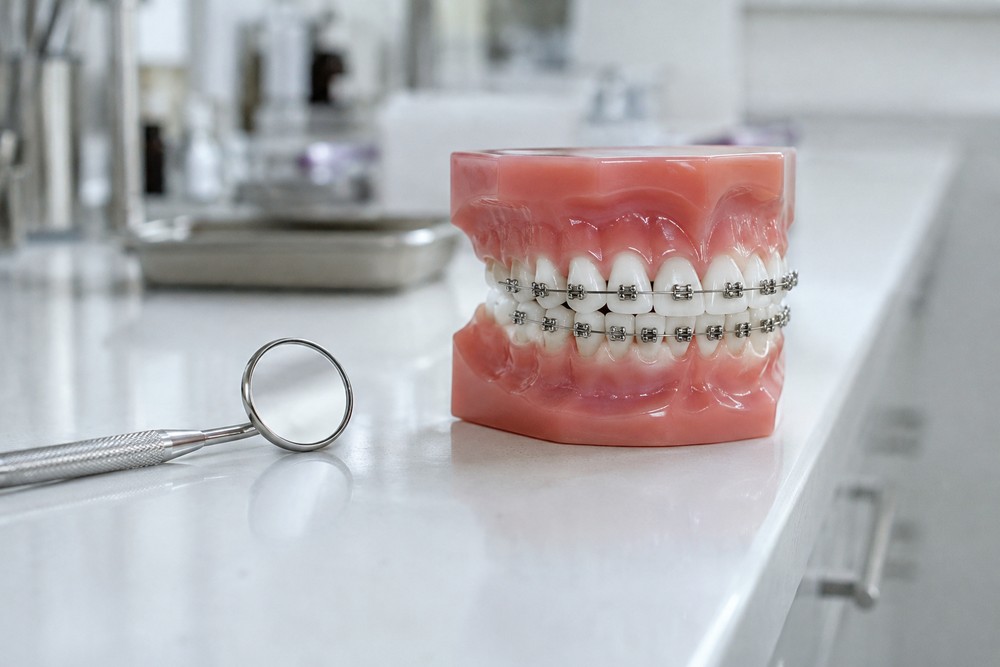
The CDC shares practical oral health tips for children that still apply well into the teen years, especially around fluoride, healthy eating, and regular dental visits. If your teen has braces, those basics matter even more because food and plaque cling around brackets and wires.
| Common Teen Dental Change | What You May Notice | What Helps |
|---|---|---|
| Gum sensitivity during puberty | Bleeding when brushing, swollen gums, tenderness | Better plaque removal, flossing, routine cleanings |
| Cavity risk from diet changes | Sensitivity, dark spots, frequent snacking, soda use | Fluoride toothpaste, fewer sugary drinks, dental exams |
| Crowding or bite changes | Teeth shifting, harder flossing, jaw discomfort | Orthodontic evaluation, close monitoring |
| Enamel wear | Smooth or shortened teeth, sensitivity, grinding | Nightguard if needed, less acid exposure, exam |
| Sports injuries | Chipped teeth, pain, lip cuts | Custom or store bought mouthguard, prompt dental care |
Parents can respond early without overreacting
You do not need to treat every change like a crisis, but you do want to pay attention. Teen oral health often improves with early, simple intervention. A cleaning, a fluoride treatment, a conversation about drinks, or an orthodontic referral can prevent a much bigger issue later. Waiting too long tends to cost more, both financially and emotionally.
That matters for another reason. Adolescence is when dental habits start becoming private. You are no longer watching every brushing session. If your teen feels judged, they may hide problems until pain forces the issue. Calm, direct conversations work better than lectures. “I noticed your gums are bleeding,” lands better than “You clearly are not brushing.”
Three steps you can take right now
1. Watch for pattern changes. Pay attention to bleeding gums, sensitivity, bad breath, mouth breathing, shifting teeth, or complaints about chewing. One off symptoms happen. Patterns deserve a dental check.
2. Reset the home routine. Keep fluoride toothpaste available, replace worn toothbrushes, make floss easy to reach, and cut down on constant sipping of sports drinks or soda. If your teen uses braces or aligners, build cleaning time into the day instead of assuming it happens.
3. Schedule regular visits with a family dentist. Routine exams catch cavities, gum inflammation, bite changes, and enamel wear before they turn into pain or expensive treatment. A family dental provider can also guide you on mouthguards, orthodontic timing, and safe cosmetic questions.
Steady support makes the teen years easier on their teeth
You are not overthinking this. Adolescence really does bring a different set of dental needs, and many of them show up quietly. With steady habits, regular checkups, and early attention to changes, your teen can get through these years with a healthy smile and fewer surprises. If you are noticing signs that something has changed, book a visit with a family dentist and get clear answers before a small issue grows.