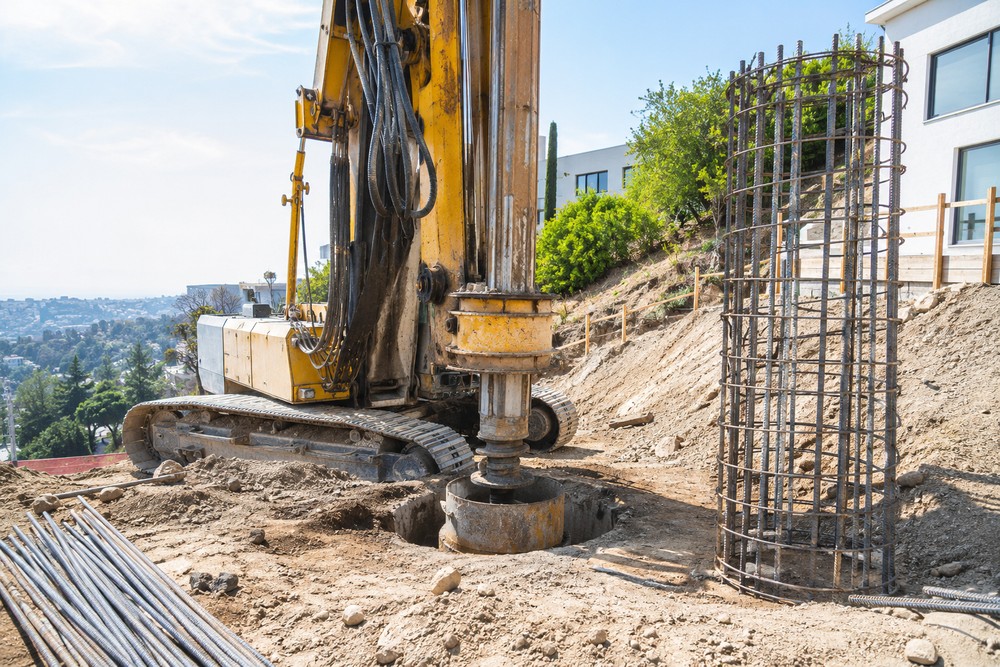
Hillside homes face forces that flat-site foundations rarely encounter. Gravity pulls soil downhill, rain changes ground pressure, and seismic movement tests every structural connection. Caissons transfer building loads through unstable upper soil into deeper, more dependable material. Their placement, depth, diameter, and reinforcement must match the site’s geology and the home’s design. A clear look at the drilling process explains why hillside construction begins below the visible surface.
Why Hillside Foundations Need Deep Support
A sloped lot creates uneven load paths beneath a house. One side of the foundation can rest on shallow soil while the opposite side sits near exposed rock or a cut slope. That difference creates movement risks when soil settles, absorbs water, or loses strength.
A hillside drilling contractor in Los Angeles evaluates the soil profile before selecting a foundation system. Site access, slope angle, drainage patterns, nearby structures, and seismic conditions all affect the drilling plan. The goal is to place each caisson where it can carry its assigned load without relying on unstable surface material.
For property owners researching hillside drilling in Los Angeles, the essential question is how deep support will reach. A drilling plan identifies the bearing layer, required shaft dimensions, reinforcing steel, and concrete placement method. Those details connect the geotechnical report with the structural drawings, giving the foundation crew measurable requirements before equipment reaches the site.
How Caissons Transfer Building Loads
A caisson is a drilled shaft filled with reinforced concrete. Drilling removes soil until the shaft reaches material that can support the structure. Steel reinforcement then strengthens the concrete against bending, tension, and lateral forces created by the slope and the building.
The shaft transfers weight through side friction, end bearing, or both. Side friction develops along the interface between the shaft and soil. End bearing develops at the shaft base, where the caisson presses against competent soil or rock. Engineers calculate the expected contribution from each mechanism.
Caisson spacing also matters. Closely placed shafts can support a grade beam or retaining structure, while wider spacing can carry isolated columns. Structural design determines the layout, and field conditions determine whether it needs adjustment.
The Drilling Process On A Sloped Lot
Investigating The Site
Before drilling begins, the project team reviews geotechnical findings, utility information, access limits, and neighboring conditions. Crews need a stable working platform for drilling equipment, concrete delivery, and steel placement. A slope often requires temporary grading, mats, or other access controls.
The crew also confirms shaft locations against the survey. Small layout errors can shift a column or grade beam outside its intended support line. Accurate positioning matters more when the foundation has little room for correction.
Drilling And Stabilizing The Shaft
The drill advances through soil and rock with equipment suited to the shaft diameter and ground conditions. Loose or water-bearing soil can collapse after drilling, so the crew uses casing or drilling fluid when the design requires it. These methods keep the shaft open until reinforcement and concrete enter the hole.
The crew checks depth against design requirements and observed soil conditions. Even if a shaft reaches the planned depth, it still needs inspection for loose material, groundwater, or debris at the base. Clean bearing surfaces allow the concrete to transfer load as calculated.
Drainage Protects The Foundation
Water often causes more foundation trouble than the slope itself. Saturated soil weighs more, loses shear strength, and creates greater pressure behind retaining walls. Surface runoff can also erode exposed soil around drilled shafts.
A complete hillside plan directs water away from the foundation through grading, drains, swales, or collection systems. Waterproofing protects below-grade walls, while clean drainage paths reduce pressure against them. These measures work with the caissons rather than replacing them.
Property owners should ask how the drilling plan connects with drainage, retaining walls, and finished grades. A caisson transfers structural loads, but water control protects the soil that surrounds the foundation.
What Homeowners Should Review
Foundation documents should identify shaft locations, diameters, depths, reinforcement, concrete requirements, and inspection procedures. The geotechnical report should explain the bearing material and any groundwater conditions found during investigation.
Construction records also matter. Useful records include drilling logs, concrete tickets, shaft inspections, reinforcement checks, and notes about field changes. These documents show whether the installed foundation matches the approved design.
A qualified structural engineer or geotechnical professional should review any proposed change to shaft depth, location, reinforcement, or concrete placement. Field decisions require technical approval because one change can affect the load path across the entire hillside foundation.
Conclusion
Caissons keep hillside homes standing by carrying loads through uncertain surface soil and into dependable bearing material. Their performance depends on accurate design, controlled drilling, proper reinforcement, continuous concrete placement, and effective drainage. Homeowners planning a sloped-site project should request the geotechnical report, structural drawings, drilling specifications, and inspection records before construction begins. Those documents provide the clearest next step: confirm that the foundation plan addresses both soil support and water movement at the actual site.