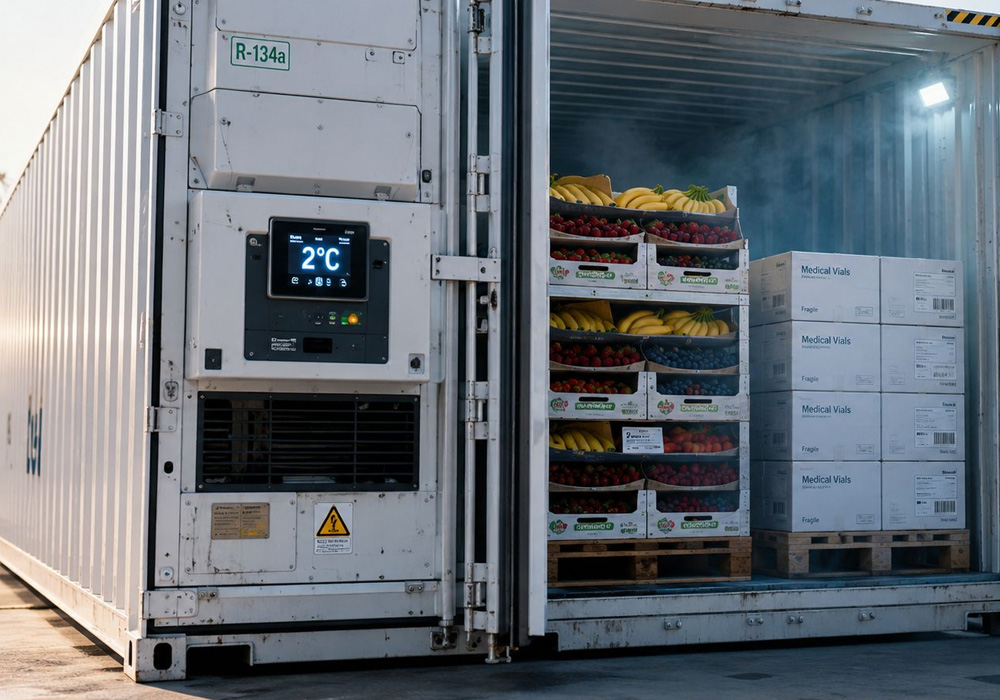
A reefer container (this is commonly referred to as ตู้คอนเทนเนอร์เย็น in Thai) can support quality checks before products reach retailers by keeping temperature-sensitive stock within suitable conditions while businesses inspect, document and approve each batch for dispatch. For food suppliers and distributors, this creates a practical window to identify problems before they become rejected deliveries, costly returns or strained retail relationships.
The Last Checkpoint Before a Retail Order Leaves
Picture a chilled food supplier preparing a large supermarket order. The pallets are labelled, the driver is booked and the delivery slot is tight. Then someone notices that several cartons have damaged seals.
Sending everything anyway might protect the schedule, but it risks a complaint that could affect future orders. A designated temperature-controlled holding area gives the supplier somewhere appropriate to retain affected stock while its condition is assessed, without automatically releasing it to the retailer.
The important distinction is that storage does not replace inspection. It makes a controlled inspection process easier to organise.
Make Batch Approval a Business Decision
Quality teams need evidence, not guesswork. Before goods are released, staff can follow a documented routine that considers:
- Product temperature: Check representative readings against the requirements for that product, rather than assuming the equipment setting proves compliance.
- Packaging condition: Look for broken seals, leaks, crushed cartons or signs of contamination.
- Batch identity: Match labels, quantities and expiry or use-by dates against the order and production records.
- Release status: Clearly distinguish approved pallets from goods awaiting investigation or disposal.
Keeping these records linked to individual batches helps purchasing, sales and warehouse teams work from the same information. If a retailer later queries an order, the supplier has a clearer trail of what was checked and when.
What Happens When a Batch Fails?
Consider a distributor discovering inconsistent labelling during its final review. Rather than mixing questionable cartons with approved stock, the business can quarantine the affected batch, investigate the discrepancy and decide whether relabelling, further testing or rejection is appropriate.
Separate holding arrangements can also help prevent an urgent customer order from pushing unapproved goods into dispatch. However, each product must remain within its required conditions throughout handling, and any temperature excursion needs assessment under the company’s food safety procedures.
This approach protects more than product quality. It helps avoid credits, disputes and the administrative burden of retrieving merchandise already delivered to stores.
Build Inspection Time into Delivery Planning
Retail delivery windows rarely leave much room for surprises. Suppliers should therefore include quality checks in their dispatch timetable, assign responsibility for approving stock and agree on an escalation route when a batch is held.
The goal is not to inspect indefinitely. It is to make release decisions early enough that the business can communicate delays, replace affected goods or adjust an order responsibly.
Give Quality Control Room to Work
A reliable retail supply operation depends on products being both available and genuinely ready to sell. Thai Reefer offers refrigerated container options for businesses needing additional temperature-controlled capacity. Explore Thai Reefer’s range to find a solution that can accommodate your stock while supporting a more disciplined pre-dispatch quality process.