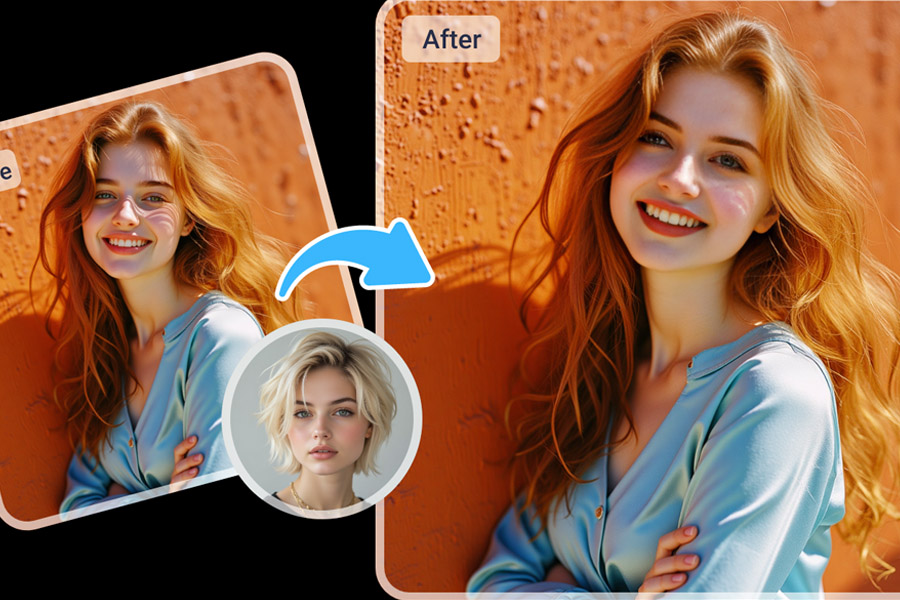
What Face Swapping Means in Modern Video
A face swap video replaces the original face in a clip with a different one, then preserves the motion and expression so the result looks like it belongs. What once seemed like a labyrinth of visual effects is now automated by accessible AI. Upload a source face, upload your video, choose basic preferences, and the system handles tracking, blending, and rendering. The camera sees the same scene, but the character stepping through it has changed.
Well tuned models read micro-expressions, head turns, eye lines, and subtle lighting shifts. That sensitivity makes a good swap feel like a natural performance rather than a mask. It is a costume change for pixels, not a crude overlay. Platforms like Vidqu offer this as a guided process that works for first time users while still giving experienced creators room to refine.
The Rise of Multi Face Swapping
Creators increasingly work with group shots, sketches, reaction reels, and ensemble scenes. Swapping a single face is useful. Swapping several faces in the same video multiplies the creative options. With multi face swapping, the tool identifies each subject and replaces them with different chosen faces, then keeps expressions, lighting, and motion consistent across the frame.
This opens playful pathways for short form video, animation tests, and concept pitches. You can build a draft cast for a scene without coordinating talent, and you can iterate quickly. For meme culture, satire, and social storytelling, multi swapping becomes a palette. For previsualization and creative planning, it becomes a shortcut that collapses hours of editing into minutes.
How These Tools Work Behind the Scenes
Under the hood, face swap systems run a chain of tasks. Face detection locates subjects. Landmark tracking maps features like eyes, nose, lips, and jawline across frames. Expression analysis estimates the underlying blend of facial muscle movements. Lighting estimation adjusts tone and shadow so the inserted face matches the environment. Warping and compositing blend the face into the original, then temporal smoothing makes the transition stable over time.
The effect depends on quality inputs, steady footage, and clear coverage of the face. Good tools minimize edge artifacts, manage occlusions like hands or hair, and recover when the subject turns away. With the right model, even fast gestures stay believable. As models improve, the boundary between captured performance and synthesized identity blurs in ways that power new kinds of visual storytelling.
Speed and Simplicity That Scale Creativity
AI face swap tools compress the time between idea and output. Traditional editing demands keyframing, rotoscoping, and compositing know-how. Automated systems let anyone create a convincing swap in minutes. The interface is usually straightforward. You provide the faces and the video, set a few options, then let the engine render.
This speed changes the volume and variety of content. Creators can test several concepts in a single session. Teams can build mood boards and sample scenes without spending on full shoots. Casual makers use face swaps for birthday jokes, skits, and spontaneous posts. Professionals use them for proof of concept, previs, and draft campaigns. The same workflow flexes up for studios and down for hobbyists.
Where Creators Find the Most Value
Short form platforms reward novelty and surprise. A well staged face swap grabs attention quickly and invites replays. It turns familiar footage into a twist that feels fresh. Influencers use face swaps to sketch a character lineup, vary visuals across a series, or run rapid experiments. Brands use them to prototype ideas, visualize casting, and create internal drafts without booking talent.
The approach also supports A or B testing. Swap a different face, change expression tone, or modify the character’s presence, then measure performance. Over several iterations, you learn what a specific audience gravitate to. By the time you commit to a full production, you have data on look, emotion, and narrative impact.
Responsible Use and Guardrails
Powerful tools carry responsibilities. Creators should obtain consent when using the face of a real person and avoid misleading or harmful applications. Comedy, education, concept development, and clearly labeled entertainment are safer contexts. Transparent captions help audiences understand what they are seeing.
It is wise to avoid political manipulation, defamation, or identity misuse. Many platforms include guidelines and safety prompts that encourage positive behavior. Ethical practice protects trust between creators and viewers, and it keeps the creative space vibrant rather than suspicious. As the technology advances, these guardrails matter more, not less.
Uses Across Entertainment and Workflows
Face swaps serve many purposes. They power character mashups, satire, and remix culture in entertainment. They animate party highlights and surprises with personal content. In marketing, they brainstorm campaigns and casting. They demonstrate computer vision, performance mapping, and media literacy in teaching and research.
For social creators on TikTok, Instagram Reels, YouTube Shorts, and Facebook, speed to publish is crucial. Swaps support quick cycles, letting you plan a week’s worth of posts with varied faces and moods. For production teams, they accelerate previsualization. With platforms like Vidqu, the same set of tools can serve both ends of the spectrum.
FAQ
What is a face swap video?
A face swap video replaces a person’s face in footage with another face while preserving expression, movement, and lighting. Modern AI maps facial features frame by frame and blends the inserted face so it looks like part of the original performance.
Can I swap multiple faces in one clip?
Yes. Multi face swapping identifies several subjects in the same video and replaces each with a selected face. The system tracks everyone across frames and keeps expressions and lighting consistent, which is useful for group scenes, skits, and ensemble content.
Do I need professional editing skills?
No. Most platforms are designed for non experts. You upload the source faces and the target video, choose simple settings, and let the system render. Advanced users can adjust fine details, but beginners can produce strong results with minimal effort.
How long does a typical swap take?
Render time varies with video length, resolution, motion complexity, and the number of faces being swapped. For short clips, results often arrive in minutes. Longer or high resolution projects take more time but are still faster than manual editing.
Is face swapping safe to use?
It is safe when used responsibly. Obtain consent for real identities, avoid harmful or misleading content, and label creative uses clearly. Many platforms provide guidelines to discourage misuse. Ethical practice keeps audiences informed and protects trust.
What are the best uses for face swapping?
Popular uses include comedy, parody, social skits, drafts for ads, concept testing, and character visualization. Creators use swaps to iterate looks and performances, and brands use them to prototype campaigns before committing to a full shoot.
Will the output look natural?
With good source material and a capable model, the output can look convincingly natural. The system tracks micro-expressions and adjusts for lighting and motion. Artifacts can occur with extreme occlusions or very fast turns, but modern tools handle most situations well.
Can brands use face swaps for drafts or prototypes?
Yes. Brands often use face swaps to visualize casting, mood, and scene structure without hiring actors for early drafts. This speeds decision making, supports A or B tests, and reduces costs while keeping creative momentum high.