Why Quiet Change Sticks
More people are stepping away from all-or-nothing routines and choosing softer, more humane ways to care for themselves. A gentle reset is the opposite of a crash overhaul. It is built from small, intentional choices that reduce stress and add steadiness to everyday life. Think of it as setting the dimmer switch instead of flipping the breaker.
Strict rules often promise quick results, but they rarely shepherd lasting comfort. Gentle change values consistency over intensity. It respects limits. It honors energy. When the goal shifts from perfection to steady improvement, the process loosens its grip and becomes more sustainable. You build calm like you stack smooth pebbles, one at a time.
This approach makes change feel safe. It removes pressure. It invites curiosity. And the body responds. The nervous system prefers familiarity. It settles into predictability. Those small shifts form a quiet backbone you can stand on daily, without feeling like you are staging a performance.
Shaping Mood Through Space
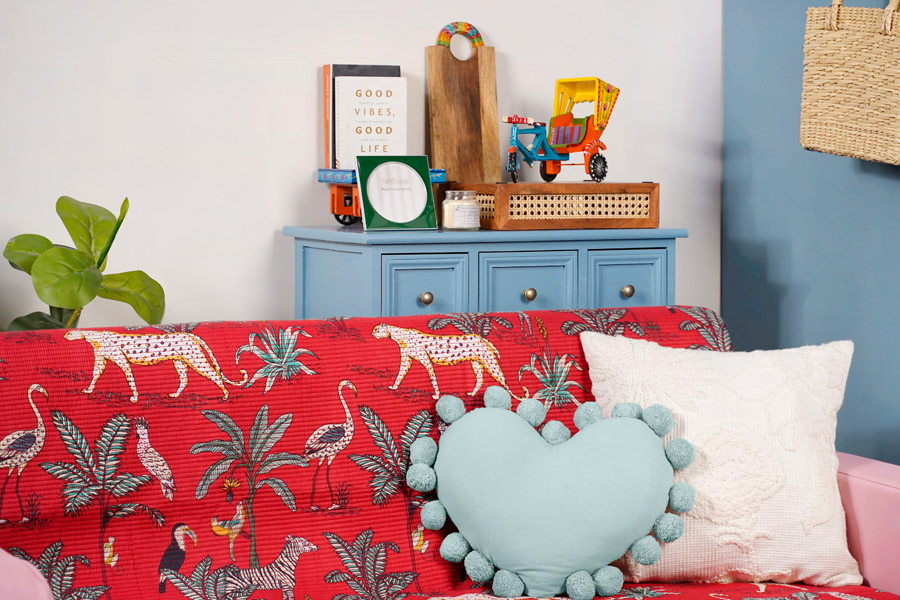
Our surroundings whisper to the mind even when we do not notice. Homes, cars, and workspaces can either soften our edges or poke at them. Lighting that glows rather than glares, tidier surfaces, breathable air, and a familiar scent during the commute can change the tone of a day.
Simple details matter. A cozy corner for morning reading. A favorite scent in the car that marks the transition from work to home. A clear desk that signals focus. These cues teach the body what to expect. The brain loves patterns. When the environment supports calm, it becomes easier to act with calm.
Clutter, stale air, and chaotic backdrops tug at attention and drain patience. A gentle reset treats comfort as stabilizing, not indulgent. You are not redesigning your entire home. You are trimming what aggravates and nurturing what supports. The space becomes a partner rather than a hurdle.
Personalized Paths to Comfort
No single plan fits everyone. Digestion, sleep cycles, stress response, tolerance to certain foods, and motivation styles vary widely. A gentle reset starts with questions that center real experience rather than abstract advice.
How does your body feel after specific meals. Which rooms in your home make you soften your shoulders. What routines feel easy to repeat. Where do you feel friction, and what removes it.
When ongoing issues complicate daily comfort, personalized help can be a relief. Someone managing digestive discomfort might work with a gut health specialist or an IBS dietitian to map food choices and habits that reduce triggers. A tailored approach removes guesswork. It clarifies what to try next. Self-care becomes a set of steps rather than a maze.
Personalization is practical. You learn which levers move the needle for you. You stop chasing someone else’s blueprint and begin sketching your own.
Micro Habits That Build Stability
A gentle reset does not hinge on heroic willpower. It thrives on repetition. Micro habits are small actions that are easy to complete and easy to repeat. Because they are light, they stick. Because they stick, they transform.
Useful examples:
- Take a five minute walk after meals.
- Drink a glass of water before morning coffee.
- Stretch your hips or shoulders between tasks.
- Tidy one surface at a time instead of tackling the whole room.
- Create a device-free wind down routine before bed.
None of these is dramatic on its own. Together, they make a net. That net catches stress before it spirals. Over time, these micro moves become the scaffolding for better days. The trick is to align them with your identity. If a habit feels like who you are, not just what you are supposed to do, it turns automatic. You are not wrestling yourself into compliance. You are expressing your lifestyle.
Nervous System Friendly Routines
When change arrives gently, the body keeps its guard down. Calm routines build a sense of safety. Safety breeds consistency. Consistency builds stability.
Gentle resets can:
- Lower daily stress by trimming friction.
- Improve emotional regulation through predictable rhythms.
- Strengthen self-trust with visible, repeatable wins.
- Lift confidence by proving that small efforts matter.
- Encourage curiosity, which opens the door to better choices without judgment.
You stop white-knuckling your goals. You learn to pace yourself. You begin supporting your life rather than policing it. That shift is subtle, but it changes everything about how you move through a day. You do not need to strive harder to feel better. You need to create conditions where feeling better is likely.
Building Environmental Rituals
Rituals are micro habits dressed in meaning. They add texture and rhythm to the day. A cup of tea in a favorite mug before logging on creates a morning threshold. A short window-open, deep-breath routine after work can mark an exit from responsibility. A soft playlist during chores turns maintenance into flow.
Sensory cues help. Soft light is kinder than harsh bulbs. Fresh air clears mental fog. A signature scent becomes a familiar anchor. These simple rituals make transitions smoother. They also prevent the day from feeling like one long task. You draw lines. You create pockets of ease. Your environment becomes a map, and the rituals are the signposts.
Eat, Rest, Move, Repeat
The basics are the backbone. Slow down meals enough to notice how food lands in your body. Add protein to steadier snacks. Choose fiber that feels good, not just fiber that looks good on paper. If digestion is finicky, track patterns without judgment and refine over time.
Protect sleep like it is your most loyal ally. Dim lights earlier. Cool the room. Cut stimulating inputs before bed. Create a wind down path that is short and repeatable.
Movement does not need to be long or loud. Walks count. Stretching counts. Short strength sets count. Anchor movement to existing routines so it becomes a part of your day, not a negotiation.
A Reset That Refines, Not Replaces
You do not have to reinvent yourself to feel better. A gentle reset simply polishes the edges of what already exists. It asks what supports you and what drains you, then adjusts the dials. A calmer home, kinder routines, and sensory anchors are small, but they compound. Over time, they turn into a steady hum of support.
FAQ
What is a gentle reset?
A gentle reset is a series of small, intentional changes that reduce stress and improve everyday comfort. It focuses on consistency rather than intensity, shaping habits and environments that are easy to repeat.
How do I start without feeling overwhelmed?
Choose one tiny action that feels obvious and doable, then repeat it daily. Add a second once the first is automatic. Keeping changes small prevents friction and builds momentum.
Can environmental tweaks really affect mood?
Yes. Light, scent, air quality, and clutter levels influence how the brain interprets a space. Supportive environments cue calm, while chaotic surroundings add tension. Small sensory adjustments can change how a day feels.
What if my digestion makes routines hard?
Consider personalized support. A gut health specialist or an IBS dietitian can help identify supportive foods, helpful timing, and daily habits that reduce triggers. Tailored guidance removes guesswork and clarifies next steps.
How long until micro habits make a difference?
Many people notice subtle changes within a couple of weeks, especially in energy and stress. The real power arrives over months, when small actions become automatic and start compounding into stronger routines.
Do gentle resets work if I have a busy schedule?
They are designed for busy lives. Micro habits fit inside existing routines and do not require long blocks of time. By adding short, repeatable actions to transitions you build steadiness without expanding your calendar.