Fueling Motivation and Sparking Engagement
Motivation is the engine that keeps online learners moving. Students who connect courses to personal goals show up more often, take risks with tough problems, and finish what they start. A short weekly intention, written in a notebook or pinned on a screen, keeps purpose in view when energy dips.
Engagement grows when learning feels active, varied, and just challenging enough. Bite-sized videos, interactive checks for understanding, and hands-on projects turn passive viewing into doing. Small wins act like stepping stones across a stream. Each one builds momentum and confidence, reinforcing a sense of identity as a capable learner.
Community strengthens both motivation and engagement. Discussion threads, peer reviews, and brief live meets create a sense of being seen. When students believe their voice matters, they are more likely to persist through confusion and reenter the course the next day.
Access, Devices, and Digital Comfort
Reliable technology is the foundation for virtual learning. Slow connections, shared devices, and glitchy software drain time and attention. Schools and programs can support with loaner laptops, low-bandwidth options, and simple tech-readiness checklists so students start strong rather than stumble at the first login.
Knowing the tools counts as much as having them. A 10-minute tour of the platform, saved as a quick reference, can prevent hours of frustration later. Clear icons, consistent navigation, and an obvious help button lower cognitive load and let students spend their brainpower on the work that matters.
Families shape access and routines at home. Matching programs to household schedules keeps learning time predictable. A shared calendar on the fridge, quiet hours, and a go-to study spot reduce friction. These small guardrails free students to focus, not fight for time and space.
Design that Guides, Interaction that Lifts
Good online courses serve as a map and a compass. Each unit should open with a brief overview, spell out targets in plain language, and show how mastery will be demonstrated. Students need to see the road ahead and know why each turn matters.
Interaction transforms content into learning. Quick polls, short message exchanges, and timely replies make students feel guided rather than alone on a trail. Feedback that arrives fast enough to influence the next attempt keeps effort aligned with expectations. A 24 to 48 hour window is a practical target for most tasks.
A simple structure lets students concentrate on ideas, not navigation. One page for weekly work, one gradebook, and one inbox reduce confusion. Many learners benefit from a single weekly checklist that includes:
- Due dates with time estimates
- A short list of key standards or goals
- Links to tutorials, office hours, and supports
- Space to note personal checkpoints
Routines, Planning, and Self-Monitoring
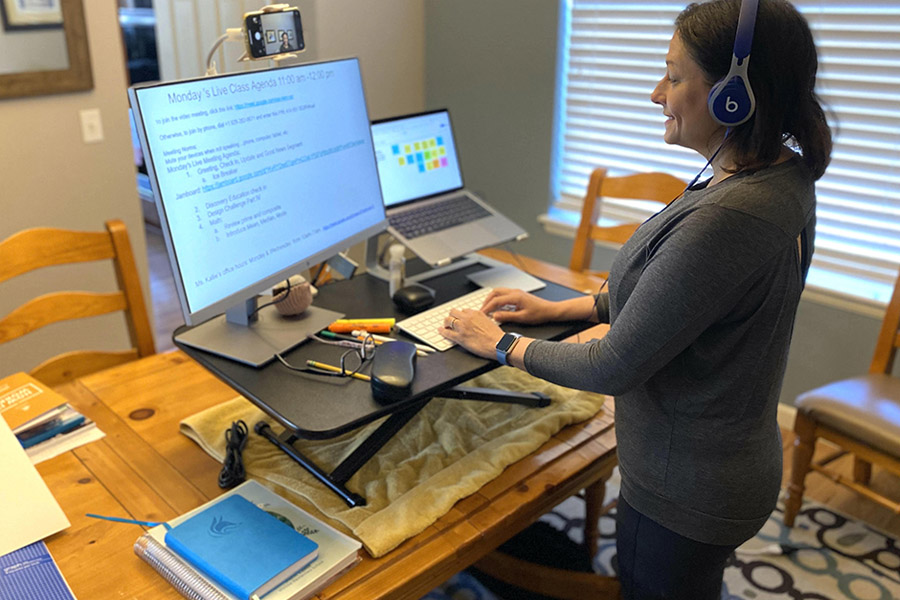
Virtual learning rewards steady rhythms. Treat study blocks like scheduled classes. Put them on a calendar, guard them from distractions, and begin with a two-minute setup ritual to signal the brain it is time to focus. Insert short, timed breaks to reset attention and sustain mental energy across longer sessions.
Planning turns big goals into steps you can actually do. Break essays into research, outline, draft, and revise. Slice projects into mini-deadlines and milestones you can check off. Visible progress shrinks anxiety and builds a flywheel of momentum.
Reflection keeps the system honest. At the end of each week, capture what worked, what slipped, and what obstacles popped up. Adjust next week’s plan before problems compound. Refine time estimates, schedule help early, and reset priorities so important tasks do not get buried under noise.
Human Help and Targeted Feedback
No one learns well in isolation. Quick access to teachers, tutors, and peers prevents small misunderstandings from turning into missed weeks. A short message, a 10-minute check-in, or a screen share can unlock a stuck concept and restore confidence.
Quality feedback is timely, detailed, and actionable. Highlight a confusing sentence or a failed solution. Offer a clear next step and a short deadline for a quick redo. Try, receive insight, try again turns mistakes into learning.
Recognition matters between major grades. Highlight a streak of on-time submissions, a jump in quiz accuracy, or a thoughtful post. These positive signals keep students engaged through the grind and normalize persistence after setbacks.
Showing Up, Sticking With It, Staying Well
Attendance is a habit and a leading indicator. Morning reminders, gentle nudges, and visible streaks inside a platform encourage regular check-ins. Short daily touchpoints add up. Even 15 minutes of review can prevent a slide that takes hours to reverse.
Persistence grows when progress is visible and meaningful. Dashboards that show unit completion, mastery badges, and personal bests reinforce a sense of forward motion. When students can see the next step and the reason it matters, they keep climbing.
Well-being underpins attention and memory. Movement breaks, water in reach, and a quick reset ritual elevate focus. Sleep, nutrition, and a tidy space protect the cognitive resources that learning demands. None of this is fancy. It is disciplined care for the body that carries the brain.
Belonging ties the experience together. Clubs, interest groups, and casual game nights online make learning feel part of a larger life. When students feel they belong, they return, participate, and finish.
FAQ
How can students stay motivated in online courses?
Link the course to a personal why and keep that reason visible. Set a small weekly goal that is specific enough to measure, like completing two practice quizzes or drafting an outline by Thursday. Celebrate tiny wins to build momentum. Join at least one community space, such as a discussion group, so effort is witnessed and reinforced.
What is an effective study schedule for virtual learning?
Aim for consistent blocks of 25 to 50 minutes with 5 to 10 minute breaks. Stack two to three blocks for deeper work when needed. Put these blocks on a calendar and protect them like appointments. Start each block with a quick plan and end with a one-minute note about what is next so reentry is easier tomorrow.
How fast should feedback arrive to make a difference?
Feedback that lands within 24 to 48 hours is most useful because it shapes the next attempt while the work is still fresh. If quick grading is not possible, offer interim signals such as auto-graded checks, rubrics with highlighted criteria, or short voice notes that point to one actionable fix.
What can I do if my internet is unreliable?
When you have strong access, download readings, videos, and templates. Use audio-only sessions when possible with low bandwidth. Discuss restrictions with your teacher and request offline packets or extended submission windows. Schedule uploads at off-peak hours to reduce errors.
How can families support without micromanaging?
Create structure, not pressure. Help set a shared calendar, quiet hours, and a consistent study spot. Ask brief check-in questions about goals and obstacles rather than hovering over tasks. Offer help with planning at the start of the week and celebrate follow-through at the end. Let students own the work while you manage the environment.
What design features help students navigate a course with confidence?
Clarity and consistency matter. Create a weekly overview page, a task list, and a reliable area for announcements and communications. Objectives should be stated clearly and mastery shown. Keep navigation consistent throughout units so students can focus on learning.
How can teachers build community in a virtual setting?
Start with low-stakes interactions that make participation easy, such as quick polls, warm-ups, and short introductions. Encourage peer feedback with simple protocols so students learn from one another. Host brief live sessions focused on connection and clarity. Recognize contributions publicly to reinforce a culture of belonging.