Market Pulse
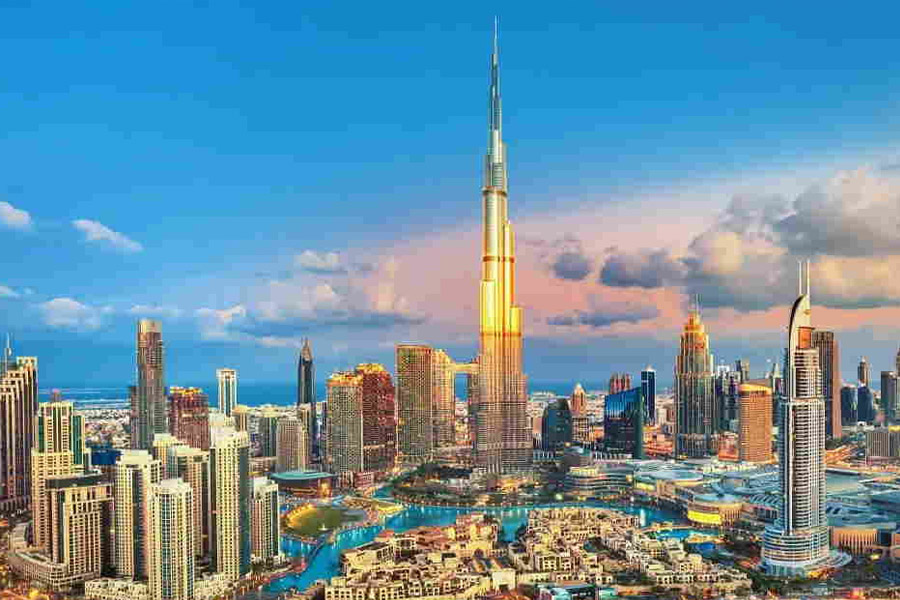
Across Dubai’s skyline, 2025 reads like a turning point. Confidence is visible in crane counts and contract signings. The mood is assertive, not speculative. Prices are pushing higher, new launches are scaling, and technology is weaving into the market’s daily fabric. Investors and end users alike are finding a blend of income, appreciation, and convenience that feels engineered for momentum.
Prices and Volume
Average residential prices climbed to AED 1,809 per square foot in Q2 2025, a 3.4 percent rise quarter over quarter. Sales value reached AED 268 billion in the first half of the year, up 41 percent year on year. These are not isolated surges. They reflect stronger participation across buyer segments and a market willing to transact at scale. The city is not just maintaining its stride. It is setting a pace that forces a recalibration of expectations.
Yield Landscape
Rental yields remain one of Dubai’s defining advantages. Apartments are averaging 7.3 percent, villas are around 5.0 percent, and the blended residential return sits near 6.9 percent. Location sharpens the picture. Downtown Dubai offers approximately 5.8 percent gross yields, attractive for a prime district. Emerging neighborhoods like Jumeirah Village Triangle often land in the mid 6 percent range, a sweet spot for balanced cash flow and future upside. In a global context of compressed returns, Dubai’s yield engine continues to hum.
Economic Engines
Growth is not happening in a silo. The wider UAE economy is projected to expand by 5.1 percent in 2025, up from 3.8 percent the previous year. Diversification is doing heavy lifting. Infrastructure megaprojects are advancing. Logistics corridors are broadening. Retail and hospitality are resilient. Tourism remains buoyant beyond the post Expo bump. Capital is flowing from these pillars into residential demand and the broader built environment. The result is a supportive backdrop for property, with liquidity and confidence feeding off one another.
Supply and Segment Activity
More than 25,000 residential units were unveiled in Q1 2025, adding fresh inventory to a market where appetite has stayed strong. Off plan launches continue to accelerate, supported by staged payment structures and the appeal of next generation communities. Leasing activity is robust across multiple sectors. Warehouses face tight supply with rising occupier demand. Office towers are filling as regional headquarters consolidate in one of the Gulf’s most stable business hubs. Hospitality and retail are also active, capturing tourism and consumer spend in parallel.
Off Plan and Ready Strategies
Flexibility and low entry rates are available with off-plan projects. Mohammed Bin Rashid City and Dubai Creek Harbour serve as long-term canvasses for infrastructure and facilities. Ready-to-move residences offer income, community infrastructure, and easy financing. Downtown prime apartments cost more but have a 6% rental stability. Both tracks suit various investment goals, schedules, and risk profiles.
Apartments and Villas
Families want solitude and space. Strong demand for villas in Arabian Ranches and Al Barari has driven a 24.3 percent yearly price hike. Supply has lagged. Urban life revolves around apartments. Residents and investors want one- and two-bedroom units in Downtown and the Marina. A stable rental market and bustling city life sustain liquidity and absorption in these compact layouts, which often yield above 7%.
PropTech’s Rise
The technology layer is now structural. The PropTech ecosystem reached an estimated USD 600 million in 2025, with projections to grow to around USD 1.5 billion by 2030. The focus areas are maturing. AI and predictive analytics sharpen pricing and demand forecasts. Blockchain infrastructure promises faster closings and tamper resistant records, with pilots aiming for 7 percent of transactions on chain by 2033. Immersive media enables remote walkthroughs that erase distance for overseas buyers. Smart building systems leverage IoT to optimize energy use and catch maintenance issues before they become expensive surprises. The market increasingly behaves like a digital marketplace plugged into real world assets.
Neighborhood Snapshot
Micro geography shapes outcomes. Downtown’s yields near 5.8 percent reflect prime status with established amenities and global appeal. Jumeirah Village Triangle’s mid 6 percent profile attracts investors chasing a mix of cash flow and growth in a family friendly setting. Longer term plays in Mohammed Bin Rashid City and Dubai Creek Harbour rest on integrated master plans that add layers of value as schools, transit, and retail expand. Selection is now a chessboard of trade offs where lifestyle, timeframe, and target yield determine the optimal move.
Projects in Focus
A Downtown mixed-use tower launched in early 2025 attracted buyers with flexible payment options and early move-in incentives. By three months, 85% of units were committed. By midyear, resale values were up 18%. Late 2024 Jumeirah Village Triangle three-bedroom villas had a good price-to-value ratio. Delivery brought capital appreciation of 20% and rental income of 5.5 percent. Both cases show how pricing, product fit, and timing can have big results.
Platforms and User Experience
Real estate platforms have become central conduits for discovery and decision making. They assemble real time data, curate listings, and streamline end to end interactions. Virtual tours, verification layers, and instant communication compress cycles and increase transparency. For developers and brokers, these tools are now part of core operations. For buyers and tenants, they turn a complex market into an interface that feels intuitive and responsive. The result is more efficient matching of assets to needs in a city that thrives on speed.
FAQ
How strong are rental yields in Dubai right now?
Apartments are averaging around 7.3 percent, with villas near 5.0 percent and overall residential yields close to 6.9 percent. Districts vary. Downtown typically offers about 5.8 percent, while emerging communities like Jumeirah Village Triangle often reach the mid 6 percent range.
What is driving the surge in prices and transactions?
A mix of economic expansion, diversified growth sectors, and sustained buyer confidence is lifting activity. Average residential prices climbed to AED 1,809 per square foot in Q2 2025, up 3.4 percent quarter over quarter. Sales value hit AED 268 billion in the first half of the year, a 41 percent increase year on year.
Are off plan projects outperforming ready properties?
Off plan launches are popular due to flexible payment structures and the appeal of new communities. They can deliver strong appreciation as infrastructure and amenities mature. Ready properties offer immediate rental income and established surroundings. Prime ready apartments in Downtown often provide steady yields near 6 percent. Performance depends on project quality, location, and timing.
Which unit types are most in demand for investors?
One and two bedroom apartments remain staples for urban tenants and often achieve yields above 7 percent. Family sized villas are seeing intense demand in suburban communities, reflected in a 24.3 percent annual price rise as buyers seek more living space and privacy.
How is technology changing the real estate experience?
The PropTech ecosystem is expanding, integrating AI for pricing and demand forecasts, blockchain for secure and faster transactions, immersive media for virtual tours, and IoT for smart building operations. There are ongoing efforts to move a portion of title registrations on chain, with a target of 7 percent of transactions by 2033.
What is the outlook for supply in 2025?
Launch activity is robust, with more than 25,000 residential units introduced in Q1 2025. Off plan supply is rising, while leasing strength persists across hospitality, logistics, and office segments. Warehouses remain tight on supply amid strong occupier demand, and office towers continue to fill as regional headquarters consolidate.