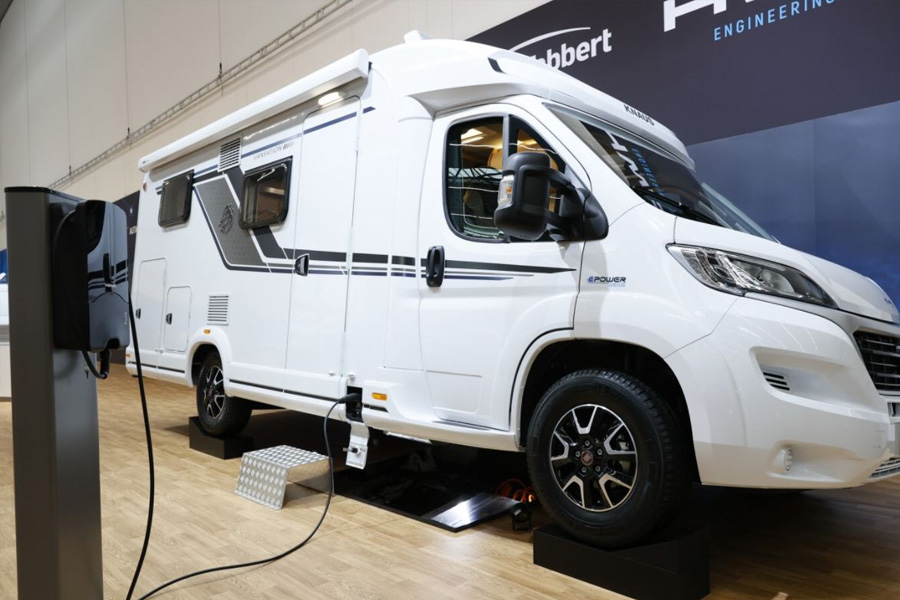
A road trip reinvented
Motorhomes have long symbolized free weekends and open sky. That tradition is being rewired. Electric and hybrid motorhomes are becoming mainstream as the UK decarbonizes. Many travelers now consider how to get there with a lighter footprint and a quieter ride.
Electric and hybrid platforms change more than propulsion. They reshape how owners budget, how they plan routes, how they live on board, and where they can visit without penalties. The result is a new kind of touring that feels modern yet familiar, like a classic coast road lined with new signposts.
The money maths: cheaper miles, tariffs and incentives
Fuel is often the biggest line item on a motorhome itinerary. Electric power shifts that equation. On a per mile basis, charging at home can be significantly cheaper than filling a diesel tank, especially when using off-peak tariffs that many UK energy providers offer overnight. Campsites are also adapting, with more locations providing dedicated EV charging or metered electric hook-ups that can be far more cost effective on a long stay than repeated visits to a forecourt.
Upfront, electric and hybrid motorhomes can carry a premium. Grants and incentives for low emission vehicles can help soften this first step. The savings do not stop there. Electric drivetrains have fewer moving parts than combustion engines, which typically translates into lower servicing and maintenance costs over time. Regenerative braking reduces wear on pads and discs, and there is no oil to change. Insurers are taking notice as well, with some already moderating premiums in line with the lower risk profile and usage patterns of electric leisure vehicles. When you stack fuel, maintenance, and insurance together, the long-term total can look compelling.
There is also the less visible benefit of predictability. Electricity prices tend to vary by time of day rather than by volatile global commodity cycles. That can make budgeting for a season of trips feel less like guessing the weather and more like reading a timetable.
Infrastructure in motion: charging networks and the end of range anxiety
Range anxiety has been the headline hesitation for EV adoption. The picture on the ground is changing quickly. Across the UK there are now roughly 87,000 public charging points, with significant coverage at motorway service areas and in towns and villages that sit on popular touring routes. Rural charging remains a work in progress, yet the pace of installations means many gaps that were once blank spots now have pins on the map.
For motorhome owners, high power rapid charging is the linchpin. Larger vehicles with bigger battery packs benefit most from 100 kW and above, which can turn a lunch stop into meaningful range. Planning around these hubs is becoming easier through integrated route planners in vehicles and apps that filter by connector type, power level, and accessibility for longer, taller vehicles.
Battery size and body type matter. Compact campervans based on electric vans already offer real world ranges suited to shorter hops between attractions and campsites. Larger A-class and coachbuilt electric motorhomes are emerging, often with modular packs that balance range with payload. Hybrids, which combine an electric drive system with a small combustion engine or a generator, serve as a bridge technology. They cut emissions and fuel use significantly while providing a safety net on routes where charging options may be limited. For many travellers, that blend feels like an anchor of certainty while the grid continues to fill in.
Digital Tools and Community Insights
With the increasing popularity of electric and hybrid motorhomes, travelers are also turning more and more to digital tools and community knowledge to organize efficient trips. Online forums, travel apps, and route-planning platforms help motorhome owners locate charging stations, compare campsite facilities, and learn from the experiences of other RV enthusiasts. These resources make it easier to avoid unexpected delays and discover hidden destinations that support sustainable travel.
As people spend more time exploring different regions and countries, some travelers also begin researching long-term travel or residency opportunities abroad. In these discussions, platforms such as Mercan are sometimes referenced as resources for learning about international residency programs that allow global travelers to spend extended time in Europe. For those who enjoy slow travel and exploring destinations by road, understanding these options can add another dimension to their travel planning.
With the growing number of digital resources available, planning an electric motorhome trip has become easier and more predictable. Travelers can confidently explore longer routes while keeping their environmental impact low. This blend of smart technology, shared knowledge, and global travel opportunities is gradually shaping the future of cleaner and more flexible road travel.
Living on board: quiet power and longer spells off grid
The battery under the floor is more than a propulsion pack. It is a portable power station for life on board. Modern electric motorhomes can run induction hobs, air conditioning, high efficiency heating, and entertainment systems without relying on bottled gas or constant shoreline connections. The result is a quieter cabin with less vibration and fewer fumes. Nighttime in a remote layby feels more like a hush than a hum.
Energy management is getting smarter too. Integrated inverters, DC to DC converters, and smart chargers orchestrate the dance between traction battery, auxiliary battery, and rooftop solar. Many owners are opting for solar panels that keep the living systems topped up during the day, which stretches off grid stays and reduces campsite dependency. Regenerative braking captures energy on descents and in traffic, giving back a little for later. The overall effect is more self sufficiency and more choice about where to linger.
Designers are also taking advantage of the different packaging. With no bulky engine up front in some layouts, storage and living areas can be optimised. Weight distribution improves, handling becomes smoother, and the cabin becomes a more pleasant workspace for remote workers who treat the motorhome like a rolling studio.
Rules of the road ahead: CAZ, ULEZ and European access
City policies are shifting fast. Clean Air Zones and Ultra Low Emission Zones are expanding across the UK, with charges levied on older, higher emitting vehicles that enter designated areas. For travellers who like to park up near museums, stadiums, or city centres, a low emission motorhome means fewer fees and fewer route restrictions. It also simplifies planning for trips that thread multiple towns in a single day.
Heading to the continent brings similar considerations. A growing list of European cities apply access rules based on emissions, vehicle class, and even day of the week. Owning an electric or compliant hybrid motorhome protects holiday plans from last minute detours and fines. It can also enhance resale value as more buyers prioritise vehicles that can go where they want without penalties.
Regulatory change does not only flow in one direction. As grid carbon intensity falls and transport policy encourages cleaner touring, campsites and aires are likely to expand EV facilities, which creates a positive feedback loop. Early adopters benefit now, and the broader community follows with better infrastructure and clearer rules.
FAQ
Are electric motorhomes practical for long trips in the UK?
Yes, provided you plan around rapid chargers and sensible daily distances. The UK network includes many motorway and A road sites that suit larger vehicles, and more rural chargers are coming online. Compact electric campervans already handle weekend loops and coastal itineraries with ease. For extended routes that cross remote regions, hybrids remain a useful option while the charging map fills in further.
How long does it take to charge on the road?
Charge times vary by battery size and charger power. On a 100 kW or faster rapid charger, many electric campervans can add a meaningful top up in 30 to 45 minutes, which pairs well with a meal break. Larger motorhomes with bigger packs will take longer, although charging from 20 to 80 percent is usually the most time efficient window. At campsites or on lower power public posts, expect several hours, which fits overnight stays.
Can campsites support EV motorhomes today?
Many can, and the number is growing. Some sites now provide dedicated EV charging bays with appropriate access for longer vehicles. Others allow charging from metered electric hook-ups, often with clear rules to manage load and fairness. It is good etiquette to check in advance, book a compatible pitch if needed, and bring the correct cables and adapters for safe connection.
What is the difference between electric and hybrid motorhomes?
An electric motorhome uses one or more electric motors and a battery pack as its sole drive system. You plug it in to charge. A hybrid motorhome combines an electric drive with a combustion engine or generator that can power the vehicle or recharge the battery when required. Hybrids reduce fuel use and emissions substantially compared to traditional models, and they offer extra range flexibility on routes where charging is sparse.
Will the vehicle battery power the living area as well?
In many electric motorhomes, yes. The high capacity traction battery can supply onboard systems through inverters and DC circuits, often managed by a smart energy system that prioritises essential loads. This can replace or reduce the need for LPG and separate leisure batteries. Some designs keep a dedicated auxiliary battery for the living area to isolate it from driving demands, which adds redundancy and control.
Do Clean Air Zones and ULEZ rules affect motorhomes?
They do if you enter the zones with a vehicle that does not meet the emission standards. Electric motorhomes are exempt from most charges, and many compliant hybrids also avoid fees depending on local rules. If your travel plans include city visits, choosing a low emission model simplifies access and helps avoid unexpected costs. Always check specific zone requirements before a trip, since rules can vary by city and vehicle class.