A Modern Approach to Backyard Comfort
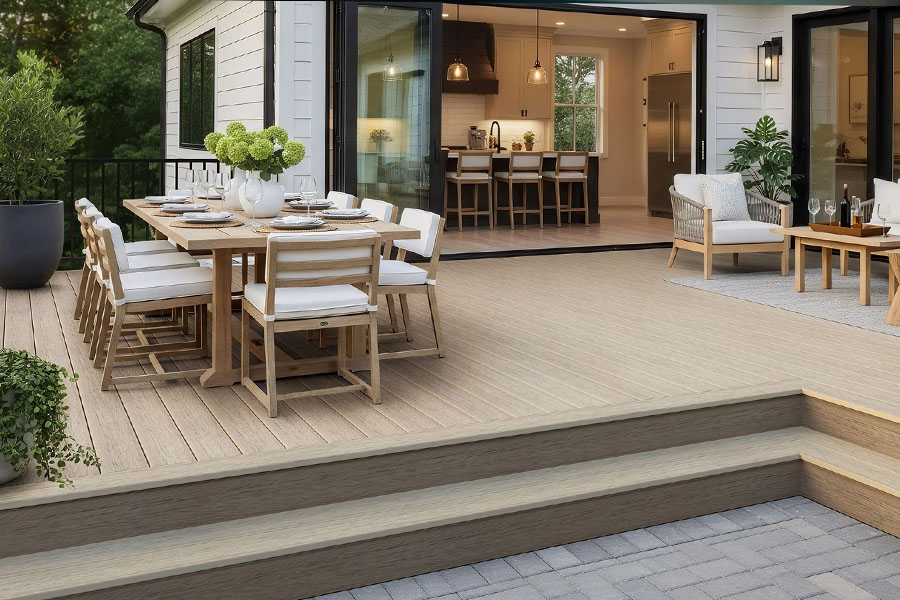
Outdoors are now a priority. Families relax, entertain, and connect with nature in these house expansions. The materials in these sections set the tone for style and function. Composite decking is popular with homeowners who want wood’s warmth without the maintenance. Beautiful and durable, it creates decks for daily life and the seasons.
Beyond a beautiful deck surface, a truly functional yard often relies on thoughtful landscape support. Retaining walls and grade adjustments stabilize soil, carve out level platforms for gathering, and protect key features from erosion. When a deck and its supporting landscape are designed together, the result feels cohesive and grounded, like a well-composed garden promenade.
Why Composite Boards Outperform Wood
Composite decking is crafted from a mix of recycled wood fibers and robust plastics. This engineered blend produces boards that are dimensionally stable and highly resistant to the issues that plague natural lumber. Traditional planks can cup, twist, and crack over time. Composite boards maintain their shape and structure, making them ideal for high-traffic zones where safety and comfort matter.
Consistency is a hallmark of composite materials. While natural wood often develops uneven tones or requires frequent refinishing, composite colors and textures remain steady. The palette ranges from soft grays and coastal blondes to deep browns and earthy taupes. Many options include realistic grain patterns and matte finishes that echo the character of timber without its unpredictability.
Maintenance Made Simple
Low upkeep is more than a convenience for busy families. It’s essential. For look and durability, wood decks need regular staining, sealing, and spot repairs. Composite decking requires only occasional cleaning. Most spills and grime are cleaned with a rinse, light soap, and gentle brush.
The time saved adds up. Instead of spending weekends sanding and sealing, owners can host a cookout, read in the shade, or simply enjoy the steady rhythm of outdoor living. The deck remains ready, season after season, with minimal effort.
Weatherproof Strength in Every Season
Outdoor surfaces face constant exposure. Sun, rain, wind, and temperature swings challenge materials. Composite decking is engineered to resist moisture absorption, which helps guard against rot, mold, and mildew. This makes it especially effective in humid climates and regions prone to frequent rainfall.
In cold environments, freeze thaw cycles can stress wood, leading to cracks and premature wear. Composite boards are designed to cope with expansion and contraction while maintaining integrity. Their protective caps and dense core give them the armor they need to stand firm through summer heat and winter chill.
Design Freedom for Creative Backyards
Beyond durability, composite decking offers remarkable design flexibility. Builders can create clean lines, sweeping curves, or multi level platforms that flow into gardens and patios. Consistent board dimensions allow precise detailing, from picture frame borders to inlay patterns.
Homeowners can add built in benches, planters, and storage nooks that feel integrated rather than improvised. Thoughtful lighting along steps and railing posts turns the deck into a stage for evenings, casting a warm glow that invites conversation. Composite materials support these creative choices with dependable performance and a refined finish.
Landscape Support and Retaining Walls
A great deck needs a stable environment beneath and around it. Retaining walls help manage slopes, define edges, and stabilize soil. They create flat, accessible areas that support decks, patios, and walkways. When engineered properly, these walls reduce erosion, protect foundations, and keep water flowing where it should.
Integrating retaining walls with composite decking elevates both function and aesthetics. Matching colors and textures between wall caps and deck boards creates a seamless visual flow. Thoughtful grading and drainage ensure water moves away from structures, preserving the deck and the landscape over time. The end result is a backyard that feels composed and comfortable, with every element supporting the next.
Safer Surfaces for Daily Life
Safety is the quiet hero of any outdoor build. Composite boards are designed with slip resistant surfaces that enhance traction, particularly in wet conditions. Around pools, outdoor kitchens, and garden hoses, this matters.
Composite decking does not splinter, making it a comfortable choice for barefoot afternoons and friendly for pets. Sturdy railings, well spaced balusters, and reliable fasteners complete the safety picture. Families can relax, confident that the deck is built for everyday use.
Sustainability With Staying Power
Sustainability is no longer a trend. It is a priority. Composite decking makes use of recycled materials, which helps reduce demand for new lumber and diverts waste from landfills. Its long life means fewer replacements and less material consumption over time.
This combination of recycled content and extended durability lets homeowners enjoy a beautiful outdoor space with a lighter environmental footprint. Choosing composite is an investment in style, comfort, and responsible building.
Value That Grows Over Time
Composite decking typically costs more upfront than common softwood boards. Over the life of the deck, that difference often evens out. Lower maintenance and fewer repairs cut ongoing expenses. The material’s resilience preserves its look, which maintains curb appeal.
Buyers increasingly appreciate low maintenance outdoor spaces. A well designed composite deck can boost resale interest and value. It signals that the home has been built with foresight, combining practicality with polish.
Plan and Install With Care
Performance starts with planning. Proper framing, spacing, and ventilation ensure composite boards stay stable and dry. Careful attention to joist layout, ledger attachment, and flashing protects the structure from water intrusion. Drainage routes should move water away from the house and any retaining walls.
Professional installation provides valuable guidance on board orientation, hidden fasteners, trim details, and expansion gaps. Experts can coordinate deck and landscape elements so stairs meet grade cleanly and edges align. The deck feels anchored, not added, and its details hold up under daily use.
FAQ
What is composite decking made of?
Composite decking blends recycled wood fibers with durable plastics. Many products include a protective cap that resists fading and staining. The mix creates boards that look like wood but perform with greater stability.
Does composite decking fade over time?
High quality composite boards are designed for color retention. Some natural weathering may occur, especially in the first months. The color then stabilizes, maintaining a consistent appearance without frequent refinishing.
How do I clean a composite deck?
Routine cleaning is simple. Sweep debris, then wash with mild soap and water. Use a soft brush for textured surfaces. Rinse thoroughly. Avoid harsh solvents or metal brushes that could damage the protective cap.
Is composite decking slippery when wet?
Most composite decking has slip resistant textures that improve traction. Performance varies by brand and finish. Look for boards tested for wet grip, especially if you plan to build near pools or water features.
Can composite decking be curved or used for custom shapes?
Yes. With heat bending techniques and the right tools, installers can form curves and unique patterns. Even without bending, consistent board dimensions allow intricate picture framing and border designs.
How does composite perform in cold or hot climates?
Composite decking is engineered for temperature changes. It expands and contracts within predictable ranges. Allow for proper gaps during installation, and the boards will handle heat, cold, and seasonal transitions well.
Will composite decking stain from food or leaves?
Many capped composite boards resist common stains from food, oils, and organic matter. Clean spills promptly to avoid residue. Regular rinsing helps prevent tannin marks from leaves or mulch.
Do I need a retaining wall with my deck?
If your yard has slopes or unstable soil, a retaining wall can create level, secure platforms for decks and paths. It helps control erosion and improves drainage. A professional can assess grade and soil conditions to determine the right solution.
Is composite decking eco friendly?
Composite decking makes use of recycled inputs and lasts longer than many traditional options. This reduces material waste over time. Choose products with transparent recycling and durability claims to maximize environmental benefits.
How long does composite decking typically last?
Service life varies by product quality, installation, and environment. Many modern composites deliver decades of use with proper care. Their resistance to rot, insects, and splintering contributes to their longevity.