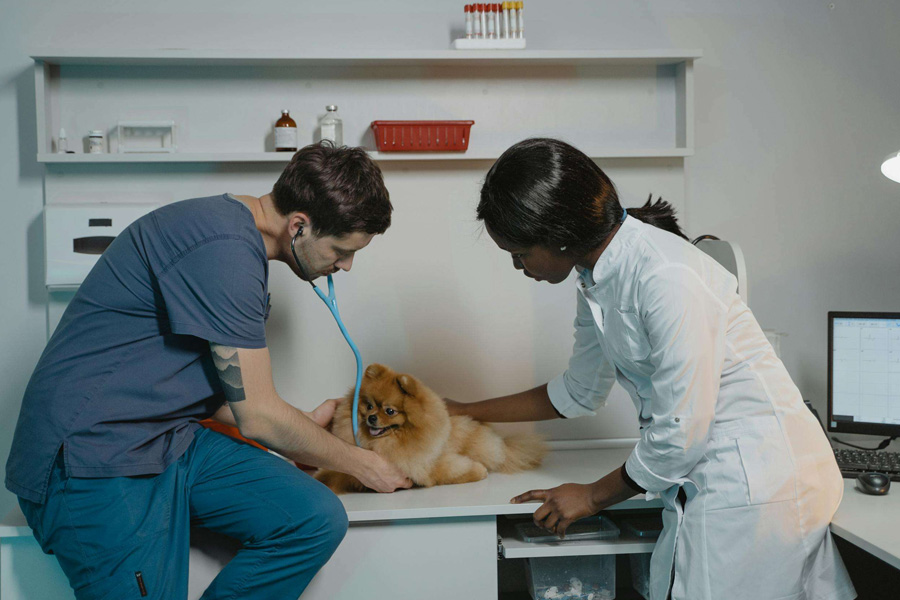
What Disability Insurance Does for Veterinary Professionals
Disability insurance is designed to replace a portion of your income when illness or injury limits your ability to perform your professional duties. For veterinarians and veterinary students, the policy acts like a safety net stretched under the high wire of daily clinical work. It helps you pay personal living expenses and sustain financial obligations while you recover, without relying entirely on savings or outside support.
Veterinary work carries unique risks. Lifting large animals, restraining anxious patients, performing surgery, and managing overnight emergencies can strain the body and mind. Early-career veterinarians may face repetitive stress injuries or unexpected accidents that sideline them from hands-on care. Disability insurance acknowledges those hazards and offers income protection that allows you to focus on health, rehabilitation, and long-term career stability.
Own Occupation and Partial Disability in Real Life
A key feature to understand is how disability is defined and how benefits apply when you are partially, not fully, disabled. Own occupation coverage protects your ability to perform the specific duties of your role. If you can no longer perform surgical or physically demanding tasks but can still handle administrative work, teach, or offer telemedicine consultations, partial disability benefits may bridge the income gap created by reduced clinical activity.
Real cases often involve a veterinarian who must stop orthopedic procedures due to a wrist injury but can continue medical consults or supervise staff. In these scenarios, residual or partial benefits help steady monthly income during recovery. Knowing how your policy handles partial disability prevents unpleasant surprises and ensures the right support when you need it most.
Why Early Planning Sets You Up for Stability
Early planning aligns safety with career and financial goals. Students prepared for mixed animal practice are exposed differently than small animal or exotic animal clinicians. Field employment, on-call rotations, and specialist procedures increase risk. By assessing coverage needs before your responsibilities grow, you build an insurance scaffold that can support you.
Early planning also reduces the chance of coverage gaps. If an injury occurs and your policy does not adequately reflect your workload or financial obligations, benefits might fall short. Thoughtful assessment allows you to keep your attention on training, patients, and professional development while the policy quietly guards your financial foundation.
Choosing a Carrier That Understands Veterinary Work
Selecting a carrier with experience insuring veterinarians can streamline everything from underwriting to claims. These carriers often design policies with features that suit the profession, including guaranteed renewable provisions that keep coverage in force as long as premiums are paid. They also tend to offer more consistent terms for students and new graduates transitioning into practice.
Evaluate carriers for financial strength, claims paying reputation, and continuity of service. A stable company with a track record in healthcare fields gives you confidence that benefits will be accessible when you need them most. Reliability matters when your income protection is the bridge back to clinical work.
The Case for Purchasing Coverage Early
Buying a policy at a younger age typically means lower premiums and easier underwriting. Students and recent graduates are often viewed as lower risk compared to older applicants, which can open doors to broader benefits. Starting while you are healthy can prevent exclusions for preexisting conditions that may arise later. That single choice can preserve comprehensive coverage for decades.
Waiting introduces risk. A developing condition might limit options or trigger exclusions that reduce future benefits. Early purchase is a practical way to lock in favorable terms, protect your earning potential, and ensure continuity of coverage as you move from training to full-time practice.
Updating Coverage as Your Responsibilities Grow
Your career will evolve. Income may increase, roles may expand, and your financial commitments will likely change. Regularly reviewing your policy helps ensure benefits remain aligned with your current life. If you move from associate to practice owner, for example, you may need to add or adjust coverage that addresses operational expenses or higher personal liabilities.
Personal changes matter too. A new home, a growing family, or greater community responsibilities can raise monthly costs. Without periodic updates, your benefits might not cover what you now spend. Scheduled reviews prevent underinsurance and keep your disability policy relevant as your world becomes larger and more complex.
How Much Coverage Is Enough
Appropriate coverage is coverage that allows you to maintain your standard of living if work is restricted by illness or injury. Begin with a clear accounting of your expenses. Consider rent or mortgage, utilities, food, transportation, insurance premiums, childcare, and savings goals. Then match your benefit amount to those obligations, recognizing that disability benefits typically replace a portion of income, not 100 percent.
For long-term protection, look at benefit duration, waiting periods, and how partial disability is handled. If student loans are a significant monthly expense, adding a rider that addresses loan payments during disability can prevent financial strain. The goal is a safety net that is wide enough and strong enough to hold you for as long as you need.
Riders That Strengthen Your Safety Net
Riders customize coverage for the realities of veterinary life. A student loan repayment rider can be invaluable in the years after graduation. A cost of living adjustment rider helps benefits keep pace with inflation during longer claims. Catastrophic disability riders may offer additional amounts if a severe condition limits activities of daily living.
Choose riders that match your risk profile and budget. The right enhancements transform a standard policy into a tailored solution that mirrors your responsibilities at work and at home.
Portability Across Jobs and Specialties
Individual disability coverage generally stays with you as you change positions, employers, or practice types. That portability preserves consistent terms and helps avoid interruptions when your career path takes you from general practice to specialty care or from clinical work to academia. Maintaining the same policy creates continuity, giving you one steady anchor while everything else moves.
Insurance carriers may classify veterinary roles differently based on duties and risk. Small animal clinicians, large animal practitioners, and surgeons can be placed in distinct categories. Understanding your classification helps you anticipate premiums and benefits as your role shifts.
Practice Owners and Business Overhead Needs
If you own a veterinary practice, the financial consequences of disability extend beyond personal income. Business overhead expense coverage addresses fixed costs such as rent, utilities, staff salaries, and equipment leases during a period when you cannot work. This protection keeps the clinic operational, preserves patient relationships, and provides breathing room until you return or decide on a longer-term plan.
Adding overhead coverage is not about ambition. It is about resilience. When a health event interrupts leadership, the policy can act like a stabilizing keel that keeps the business upright in choppy waters.
Claims Clarity and Policy Structure
Understanding how claims are evaluated reduces stress during a difficult time. Know your elimination period, the time between disability onset and when benefits begin. Review your benefit period, which defines how long payments can continue. Clarify documentation requirements and the medical evidence your carrier needs to review.
Policies with guaranteed renewable features remain in force as long as premiums are paid. Some policies also offer noncancelable terms that lock in premiums and benefits. While terminology varies, the aim is stability. Clear structure allows you to navigate the claims process with confidence.
FAQ
What is own occupation coverage for veterinarians?
Own occupation coverage pays benefits when you cannot perform the specific duties of your veterinary role, even if you can work in another capacity. If surgery or physically demanding tasks are central to your job and you can no longer perform them, own occupation protection recognizes that limitation and supports income accordingly.
How does residual or partial disability work?
Residual or partial disability benefits apply when you can perform some, but not all, job duties, resulting in reduced income. The benefit typically reflects the percentage of income lost. For example, if you stop surgery but continue consultations, residual benefits may help fill the gap until your workload and earnings recover.
When should a veterinary student buy coverage?
Buying early is advantageous. Students and new graduates often qualify for lower premiums and fewer exclusions. Securing coverage while healthy helps protect against future conditions that could limit eligibility. Early purchase sets a stable foundation before income and responsibilities expand.
Do disability benefits replace all of my income?
Benefits generally replace a portion of income, not the full amount. The percentage varies by policy and underwriting. Assess monthly obligations and select a benefit amount that covers essential expenses while balancing affordability and long-term needs.
What is a business overhead expense policy?
A business overhead expense policy pays for fixed practice costs during a disability. Eligible expenses usually include rent, utilities, staff payroll, equipment leases, and similar operational items. It keeps the clinic running while you recover or determine next steps.
Will my policy stay with me if I change employers or specialties?
Individual disability coverage is portable. It remains active when you change jobs or shift focus from small animal medicine to large animal practice or academia. Your classification and premiums may change based on duties, but the core policy stays with you.
How often should I review my disability coverage?
Review coverage at least annually, or any time you experience a significant change such as a pay increase, new debts, home purchase, family expansion, or a move into practice ownership. Regular check-ins ensure the policy reflects your current responsibilities and financial commitments.