Why Hybrids Captured Family Campers
For years, family camping lived at two extremes. One was the cramped tent where sleep felt optional and space was a dream. The other was the full-sized caravan that looked impressive in the driveway but demanded a heavy-duty tow vehicle and nerves of steel to maneuver. Hybrid caravans changed the equation. They did not try to be everything. They simply addressed the friction points that make family camping tough and turned them into solvable design problems.
Families found a middle path. A hybrid keeps a compact profile on the road yet opens wide at camp. It offers practical comfort rather than fragile luxury. It saves on weight without cutting the essentials. In short, it respects how real families travel.
The Design Behind the Difference
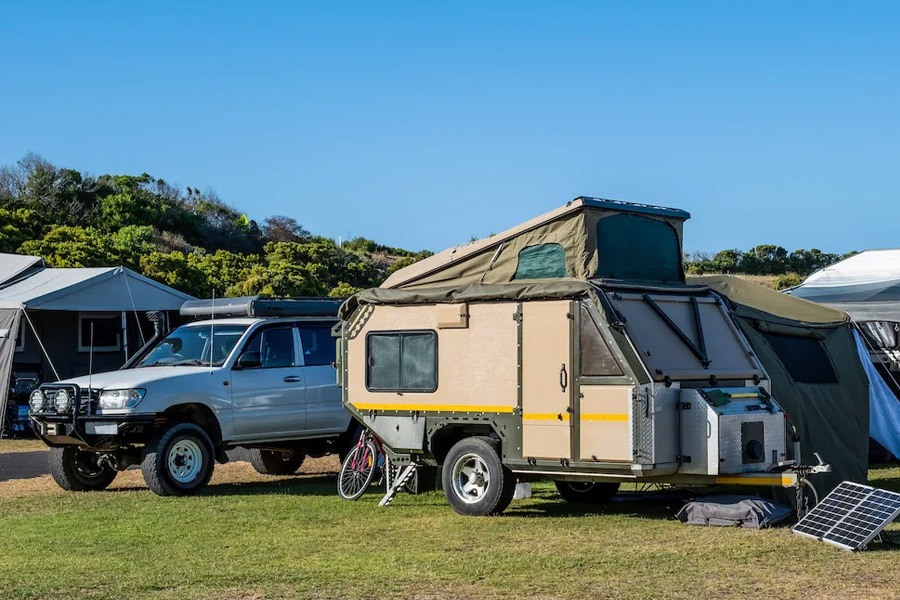
The heart of the hybrid is a hard-bodied shell that looks like a conventional caravan. The twist sits in the sleeping pods that fold out from the sides. Packed down, the unit is concise and aerodynamic. Set up, it expands into sleeping spaces that spill out like wings.
This is more than a clever party trick. It fundamentally changes how the trailer behaves on the highway. A traditional caravan that sleeps six might stretch to 20 feet and tip the scales into heavy territory. A hybrid with similar capacity can be several feet shorter and much lighter. That shift reshapes towing requirements and makes the format accessible to families who do not want to upgrade to a tow beast.
Towing Comfort and Road Manners
Weight is the quiet villain in towing. It hides until you hit a crosswind or drag feels relentless on a long climb. Hybrids defuse the problem at the source. Lighter bodies cut resistance. Shorter lengths leave less to sway. The result is a calmer tow, responsive and predictable, like driving with a cooperative partner rather than wrestling a stubborn sled. For even more precision when you arrive, using a trailer moving dolly ensures that positioning your caravan is just as effortless as the drive itself.
Fuel consumption benefits too. Less mass means less work for the engine. Brakes and suspension endure less strain. Families who take regular trips notice the difference not after one mile but after a season of steady travel. The savings arrive as fewer fuel stops, gentler wear on the tow car, and more confidence merging and parking without a white-knuckle grip.
Sleep Spaces That Keep the Peace
Inside, the folding design pays dividends where families feel it most. Instead of stuffing everyone into one box with stacked bunks, hybrids push sleeping areas out to the sides. Kids take one wing. Parents take the other. A small separation becomes a big relief when bedtime arrives and the seven-year-old starts kicking like a windmill.
The pods feel cozy rather than cramped. They are wide enough to stretch, high enough to breathe, and far enough apart to grant a hint of privacy. Peace at night equals patience the next day. That is how trips become more enjoyable rather than simply survivable.
Ventilation, Insulation, and All-Season Comfort
Canvas has a reputation for airflow that hard walls struggle to match. In warm conditions, hybrid sleeping pods help vent heat and reduce stuffiness. You are not sleeping in a sealed metal box. You feel the evening air drift across like a quiet tide.
Modern hybrids offer insulation, layered bedding, and regulated heating in cold weather. The robust body protects the kitchen, storage, and living rooms. Fold-out beds are warm with quality coverings and materials. Avoiding shoulder seasons and various climates is not the strategy.
Storage That Fits Real-Life Travel
Storage sits at the intersection of convenience and chaos. Full caravans have space but pay for it with bulk. Camper trailers tend toward minimalism and force creative packing. Hybrids land in the middle with a layout that actually works.
The hard shell provides lockable storage for valuables and the daily essentials. Families can fit a fridge, a compact kitchen, and a week’s worth of food without feeling disorganized. Clothes, toys, sports gear, and the inevitable extras that travel with kids find a proper home. External compartments hold camp chairs, tools, awnings, and outdoor items that you want on hand without stepping through the living space. When rain hits or departure day arrives, those hatches become a small miracle.
Setup Steps Without the Drama
Camping rewards realism. A hybrid does not appear fully ready the second you park. Setup typically takes 15 to 30 minutes, depending on how many eager helpers are learning the ropes. Compared with building a tent village and a kitchen from scratch, it is refreshingly straightforward.
The process starts with stabilizing the trailer. Then the roof pumps up or the sections lift into place, using manual cranks or hydraulic assists. Beds fold out. Supports and guy ropes secure the pods. Once practiced, it flows like a familiar routine. Wind and rain can complicate the job, especially when extending the canvas. Families adapt quickly with habits that protect the setup from the elements. A measured pace beats rushing. A practiced sequence beats improvisation.
Price, Running Costs, and Maintenance Reality
Hybrid caravans occupy the middle of the market. They often cost more than entry-level camper trailers and less than large full caravans. Base models keep prices approachable while providing the weather protection and comfort that families notice. High-end hybrids add off-road capability, premium materials, and upgraded amenities. Even then, towing and maneuverability remain more forgiving than the largest rigs.
Run expenses are gentler. Weight reduction and design enhance fuel economy. Less stress for tow cars. Insurance can be cheaper than whole caravans. Maintenance is easy but necessary. Canvas must be cleaned and dried to avoid mold. Zippers and seals need regular inspection. Maintenance should be scheduled for lift, lower, and fold mechanisms. These steps are simple, but paying attention eliminates headaches.
Over time, the economics add up. Investment in a hybrid can pay off across one or two seasons of regular use, especially for families who value comfort yet prefer nimble travel.
The Long View for Growing Families
Hybrid caravans suit families moving in both directions. Tent campers often wish they had upgraded sooner, especially after a stormy weekend where comfort becomes priceless. Owners of full caravans appreciate downsizing into a format that fits more campsites and more roads, freeing them from the constant worry about tight turns and small spaces.
There are compromises. Many hybrids do not include a full integrated bathroom. Campground facilities or portable solutions fill the gap. Canvas will never absorb sound like solid walls. Expect the chorus of wildlife, neighbors, and weather. For most families, these tradeoffs feel manageable, not punitive. The gains in space, ease, and practicality outweigh the few missing amenities.
Hybrids invite families to camp more often and with less friction. They temper the extremes. They offer comfort that matters and simplicity that encourages repeat trips. At heart, they keep the adventure while trimming the stress. That balance is what hooks people and keeps them returning to the road.
FAQ
What is a hybrid caravan and how is it different from a standard caravan?
A hybrid caravan combines a hard-bodied central structure with fold-out sleeping pods made from fabric or canvas. Packed down, it is shorter and lighter than a traditional caravan. Set up, it expands to offer multiple sleeping areas without increasing the on-road footprint.
Do I need a heavy-duty tow vehicle for a hybrid caravan?
Most hybrids are designed to be towed by common family vehicles within their rated capacities. Their reduced weight and length compared to full caravans lower the threshold for safe towing. Always check your vehicle’s tow limits and the trailer’s specifications.
How long does setup usually take for a hybrid caravan?
Setup typically takes 15 to 30 minutes. Stabilize the trailer, raise the roof or panels, fold out the beds, and secure supports or guy ropes. With practice, the sequence becomes quick and predictable.
Are hybrid caravans comfortable in hot and cold weather?
Yes. The canvas sleeping areas promote airflow in warm conditions, while insulation and proper bedding help in cooler weather. Many models include heating options and well-sealed structures to manage different climates.
What kind of storage can I expect in a hybrid caravan?
Hybrids feature lockable internal storage for essentials, kitchen and fridge space, and external compartments for camp gear. The fold-out design keeps sleeping space separate from storage, reducing clutter inside the living area.
What maintenance do hybrid caravans require?
Regular checks of zippers, seals, and folding mechanisms are important. Canvas should be cleaned and fully dried after trips to avoid mold. Routine servicing of moving parts ensures smooth setup and long-term reliability.