The creativity is not in boardrooms, studios, or agencies anymore. Communities are very active in the process of creating, developing, and enhancing ideas in the digital age. One of the factors that decides the future of innovation is the creative input of the crowd, wherein individuals come together to share ideas, designs, content, and even solutions. With brands and creators vying to have their content gain attention on the Internet, the use of the crowd has emerged as one of the most successful approaches to going viral more frequently and being culturally relevant.
What Is Crowdsourced Creativity?
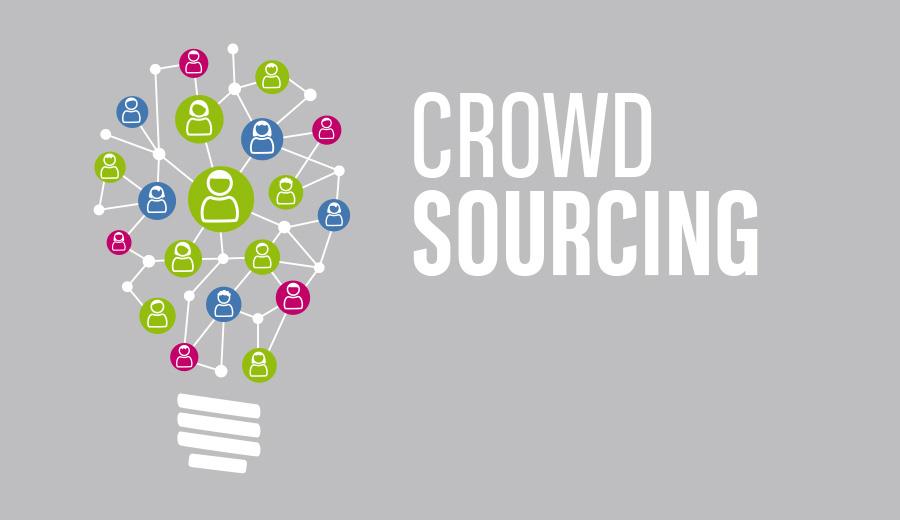
Crowdsourced creativity is the total of the contributions made by a large number of different people, which can vary from mere ideas and comments to the actual materials, and it is usually done through digital media. Among other things, it can include user-made pieces, joint designing, open design competitions, and community storytelling.
The brands and creators access various points of view instead of having one creative team. The wide range of options gives rise to creativity, connection to the audience, and being up to date, which are, indeed, some of the factors that influence and attract the audience to the content.
Why Crowdsourcing Is Gaining Momentum
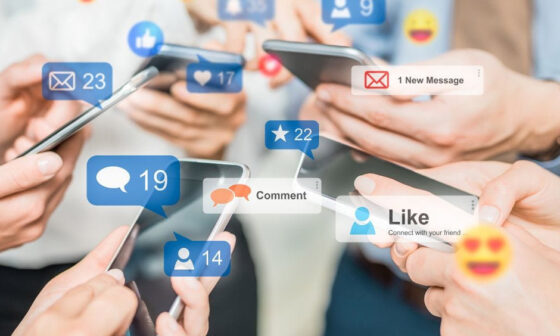
Social media, creator platforms, and online communities have facilitated easy and easy participation. Consumers desire to participate in the process of creation and not just be mere consumers. The audience will be more willing to participate, communicate, and promote when they feel part of it.
Crowdsourced ideas have replaced traditional campaigns in numerous aspects, be it in TikTok trends or in open-source projects, since they are authentic. This sincerity makes content go viral more often by matching actual user behavior and not scripted communication.
Technology Is Powering Creative Collaboration
Technology is making the use of crowdsourced creativity faster. The contribution, curation, analysis, and refining at scale are aided by AI tools. Teams and communities can co-create just as they are in real time and anywhere by collaboration platforms.
Decentralized platforms and blockchain are also coming around, providing clear ownership and equitable rewards to contributors. Such systems promote participation by rewarding creativity, rather than exposure. With the changing technology, crowdsourced creativity will be quicker, smarter, and more comprehensive.
Brands Are Shifting from Control to Community
Previously, the brands dictated all the aspects of communication. The most successful brands today play the role of facilitators and not gatekeepers. They design structures in which societies donate ideas, recombine materials, and construct narratives.
This change creates trust and loyalty. Users feel attached to campaigns when their ideas are manifested. Such emotional investment enhances reach and shareability and, as a result, brands become viral more frequently without necessarily using paid promotions.
Crowdsourced Creativity and Viral Culture
Viral content hardly ever comes across as made. It arises out of cultural times, humor, relatability, and timing, all of which the crowd knows instinctively. The memes, challenges, and trends usually begin with regular users and later get used by the brands.
Through listening to the people, this will enable the creators to remain at the forefront of trends rather than follow them. The practice of crowdsourced creativity serves as a predictive analytics of what will be popular, creating more predictable and repeatable virality.
Challenges and Ethical Considerations
As much as crowdsourcing has a lot of potential, it presents challenges. The control on the quality, ownership of ideas, and certainly impartial attribution should be handled. The community contributions can spoil the trust and reputation.
The future of crowdsourced creativity will be through transparency, ethical collaboration, and mutual advantage. The templates will be the ones that are effective and that also respect, acknowledge, and value the two-way communication between the brand and contributor.
The Future Outlook
The creativity provided by crowdsourcing will keep on transforming the way ideas are generated and shared. The collaborative creation will become a general trend in marketing, entertainment, product development, and education as audiences expect authenticity and participation.
The creators and brands that consider this change will not just be able to innovate more quickly. But they will become viral more frequently, as they will have their ideas aligned with the views of the crowd, instead of thinking individually.
Conclusion
The future of cultural impact is represented by collective creativity, as crowdsourced communities give power to the people to co-create, share ideas, and set trends together. In a digital world where attention is the main driver. The creators who team up and involve the audience as a main character in their activities are the ones who gain a stronger position and trust.
The networked individuals and groups not only increase the number of people who hear about them but also the number of people who get to know and understand them. They bring up new ideas and are more likely to create something that would go viral and have a strong influence over a period of time.