Air quality affects how you feel every single day, even if you don’t notice it right away. In states like California, increasing urbanization, heavy traffic, and ongoing construction can make outdoor air less than ideal. Smog, dust, and pollutants often find their way inside homes, where people spend most of their time. While you can’t control what happens outside your front door, you can take charge of the air inside your home. Small, thoughtful changes can reduce irritants, improve comfort, and support better health for everyone under your roof.
This article explores practical, realistic ways to improve indoor air quality and create a cleaner, healthier living space.
What Affect’s Your Indoor Air?
Indoor air quality often suffers quietly. Dust, pollen, pet dander, and smoke can build up over time without obvious warning signs. In many homes, everyday activities like cooking, cleaning, or lighting candles release particles into the air. Outdoor pollution also plays a role. In busy neighborhoods, traffic emissions and construction dust enter through open windows, doors, and ventilation systems. Because people spend most of their time indoors, these pollutants can have a steady impact on comfort and health. Paying attention to what enters and circulates inside your home is the first step toward meaningful improvement.
Upgrade Your Heating System for Cleaner Air
Cold spells do happen in California, and when temperatures drop, your heating system becomes a lifesaver. However, while older gas heaters may keep your home warm, they can also release nitrogen oxides and other pollutants into the air. Over time, this affects indoor air quality and may aggravate breathing issues. Replacing outdated systems with an ultra-low NOx furnace can significantly reduce harmful emissions. These systems meet stricter air quality standards and operate more efficiently. That said, installation matters. Hiring professionals who understand local regulations and low NOx furnace requirements in California ensures your system runs safely and supports cleaner indoor air rather than adding to the problem.
Replace and Maintain Air Filters Regularly
Air filters play a direct role in what you breathe. When filters clog with dust and debris, they stop trapping particles and start circulating them instead. This strains your HVAC system and spreads allergens throughout the home. Choosing the right filter depends on your household. Homes with pets, allergies, or high outdoor pollution benefit from higher-quality filters. Regular replacement keeps airflow steady and prevents buildup. A clean filter helps your system work efficiently while improving the air that moves through every room.
Improve Ventilation Throughout Your Home
Fresh air needs a way in, and stale air needs a way out. Many modern homes seal tightly to save energy, but poor ventilation allows pollutants to linger. Simple habits make a difference. Using exhaust fans while cooking or showering removes moisture and odors before they spread. Opening windows during cleaner air hours encourages circulation. In areas with limited airflow, adding mechanical ventilation can help maintain balance. Good ventilation reduces indoor pollutants and keeps air from becoming heavy or stagnant.
Keep Humidity Levels in Check
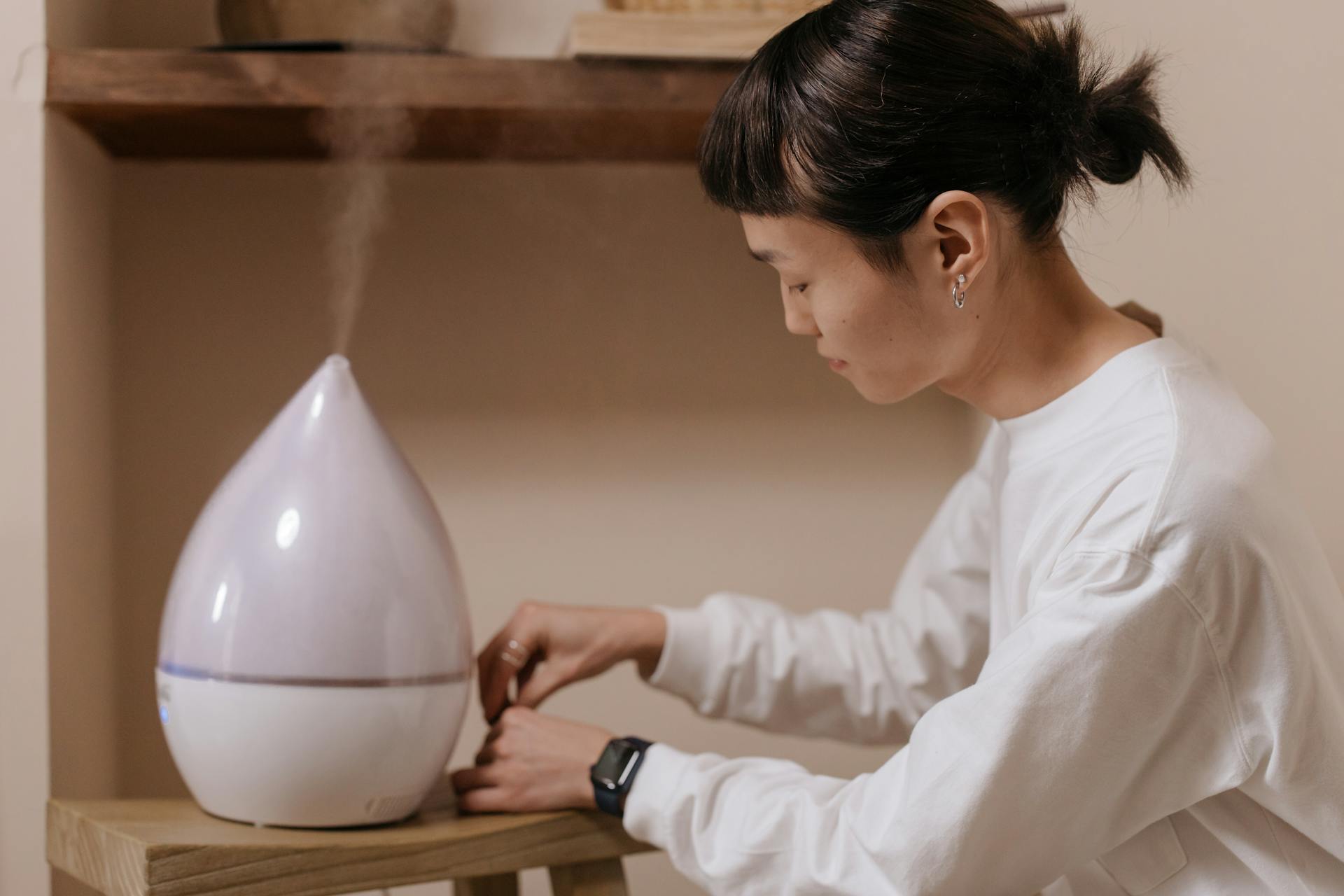
Humidity affects both comfort and air quality. Too much moisture encourages mold growth and dust mites, while overly dry air irritates skin and airways. Bathrooms, kitchens, and laundry areas often trap moisture if not properly ventilated. Monitoring humidity levels helps you respond before problems appear. Dehumidifiers reduce excess moisture in damp spaces, while humidifiers add relief during dry periods. Maintaining balanced humidity creates an environment where pollutants struggle to thrive.
Choose Cleaning Products That Don’t Pollute Your Air
Many household cleaners do their job well on surfaces, but release chemicals into the air at the same time. Strong fragrances, aerosols, and harsh ingredients linger long after cleaning ends. Over time, this can irritate airways and contribute to poor indoor air quality. Switching to low-VOC or fragrance-free products reduces what you release into your home’s air. Even simple changes, like using liquid cleaners instead of sprays or opening windows while cleaning, can help. Clean spaces should feel fresh without leaving behind invisible irritants.
Control Dust and Allergens at the Source
Dust does not appear out of nowhere. It builds up from fabrics, shoes, pets, and outdoor particles brought inside. Carpets, rugs, and upholstered furniture trap allergens and release them back into the air when disturbed. Regular vacuuming with a well-maintained machine helps limit this cycle. Washing bedding, curtains, and throws also reduces buildup. Keeping clutter under control makes cleaning easier and prevents dust from settling in forgotten corners. When allergens stay under control, the air feels lighter and easier to breathe.
Add Indoor Plants Thoughtfully
Indoor plants can support better air quality when chosen and placed with care. Certain plants help reduce airborne particles and improve overall freshness. They also add moisture to dry air, which can benefit comfort.
However, too many plants or poor care can create problems. Overwatering leads to mold growth, which harms air quality instead of improving it. Placing plants in well-lit areas and allowing the soil to dry between watering keeps them helpful rather than harmful. When managed properly, plants contribute to a calmer, healthier indoor environment.
Create Everyday Habits That Support Cleaner Air
Daily habits influence indoor air more than most people realize. Burning candles, smoking indoors, or using strong scents introduces pollutants into the air. Letting shoes track dirt inside adds to dust and allergens. Simple routines, such as airing out rooms during cleaner hours or avoiding unnecessary fragrances, help maintain balance. Being mindful of what you bring into your home keeps air quality steady without constant effort.
A home’s air quality reflects how it is lived in, not just how it is built. The decisions you make each day shape the environment around you in subtle but lasting ways. When you pay attention to the products you use, the systems you maintain, and the habits you keep, your home begins to support your well-being rather than work against it. Clean air does not come from one quick fix. It grows out of consistent care and awareness, turning your living space into a place where comfort feels natural and breathing feels easy.