Have you ever wondered why cells keep checking and cleaning up on their genetic material?
The DNA in any living cell is not in a fixed state; it experiences continuous repair and damage processes. This implies that the interior of the cell is rapidly filled with either old or damaged chunks of DNA, which, unless removed, can disrupt important cellular functions such as gene expression or replication.
Leftover DNA contaminants can skew the outcome of an analytical procedure, particularly in any sensitive assay. Biological tools come in here to ensure order at the molecular level.
Of these, DNase enzymes are important in making sure that unwanted DNA fragments are effectively removed, both in cells and in the laboratory. This article will discuss the nature of DNase enzymes, their role in cell cleanup and DNA repair, and why this enzyme is a vital aspect of biotechnology.
What Are DNase Enzymes and How They Work
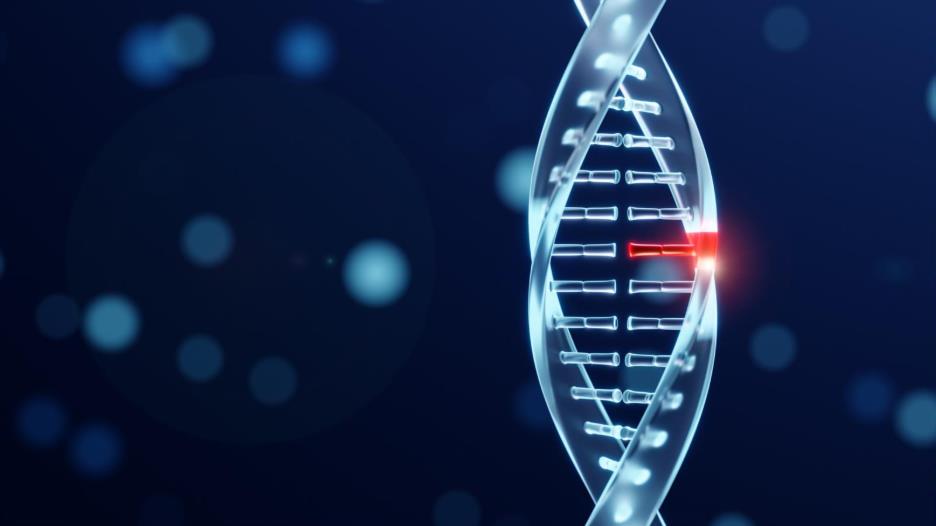
The crucial process in cellular cleanup is that of DNases, which are enzymes that can cut DNA by hydrolyzing phosphodiester bonds on the backbone of the DNA. DNase I is a very popular and commonly used enzyme in this family, and it has the capability of degrading both single-stranded and double-stranded DNA nonspecifically into smaller fragments.
Preparations of RNase-free DNase I are particularly useful in molecular biology applications since they can digest DNA without degrading RNA, allowing the preservation of RNA integrity in downstream use.
These enzymes require divalent metal ions like Mg2+ or Ca2+ to be active, and they do so in the presence of these ions, which reduce DNA to oligonucleotides that can be more readily manipulated by cells or protocols.
This catalytic action is not only of practical use in the laboratory; in the cells, this activity is involved in the normal physiological turnover of DNA fragments formed during cell death and other dynamic events.
DNase in Cellular Cleanup and Extracellular DNA Management
Outside the laboratory bench, cells actively produce extracellular DNA (ecDNA) during processes such as apoptosis and necrosis. Uncontrolled, ecDNA may proliferate inflammatory reactions and block tissue homeostasis.
DNases are nature’s cleanup agents, and they destroy these free pieces of DNA to prevent their build-up and ensure healthy cellular conditions. This is to prevent the continued presence of the unwanted DNA in extracellular fluids and tissues to preserve physiological balance.
In addition, DNase activity contributes to the breakdown of structures like neutrophil extracellular traps (NETs) that, when not degraded properly, can lead to thrombotic diseases. The relevance of effective DNase activity in such regulatory mechanisms is a new field of biomedical concern.
DNA Repair Mechanisms Supported by the Removal of Fragments
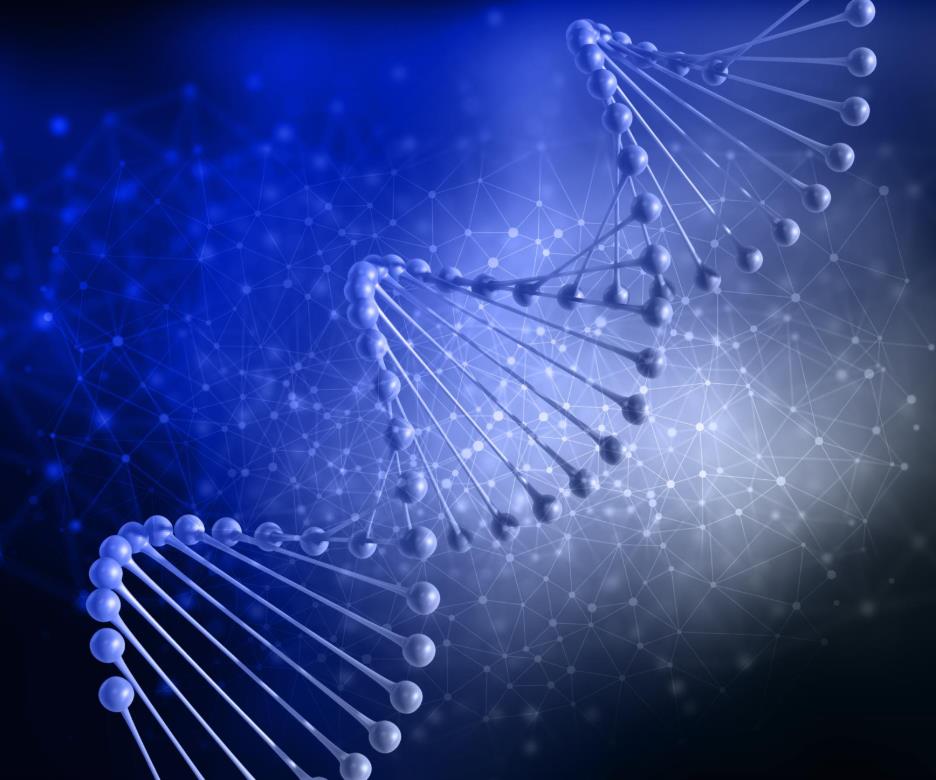
Damage to DNA, regardless of its source (environmental stressors, replication errors, oxidative stress), triggers repair processes that fragment damaged strands. During the repair process, these fragments are frequently removed; however, unless they are removed on time, they may build up and disrupt the ability of the cell to rebuild DNA accurately.
The enzymes of DNase assist in digesting these wasted pieces so that the repair machinery can target the intact and repairable parts of the genome. This cleanup operation averts the existence of potentially damaging DNA fragments that could otherwise lead to genomic instability or misregulation.
By doing so, DNase plays a small, yet meaningful part in the fidelity of DNA repair pathways through the maintenance of an ordered intracellular environment in which accurate restoration can occur.
Applications of DNase in Molecular Biology Research
RNase-free DNase I is a very useful reagent that cannot be ignored in nucleic acid procedures in a practical lab setting. It is usually employed to cleanse any contaminating DNA in the sample of RNA before other methods, such as reverse transcription quantitative PCR (RT-qPCR), which has a negative outcome even with a single trace of contaminating DNA.
Because the enzyme preparation is free of RNase contamination, it selectively targets DNA while preserving RNA templates for accurate analysis. Additionally, DNase I has applications in DNA footprinting and nick translation, techniques used to study DNA-protein interactions and to prepare labeled DNA probes, respectively.
Across these contexts, DNase enables researchers to manipulate and interrogate nucleic acids with greater specificity and confidence, illustrating its versatility beyond mere cleanup.
Optimizing DNase Use for Reliable Results
To harness the full potential of DNase in experiments, it’s important to consider factors such as ion requirements, reaction conditions, and inactivation protocols. Because DNase activity depends on cofactors like Mg²⁺ and sometimes Mn²⁺, buffers must be optimized accordingly to ensure efficient DNA digestion.
After treatment, enzymes can often be inactivated by heat or chemical extraction to prevent continued DNA degradation that might affect downstream analyses. Proper optimization ensures that DNA is effectively removed without unintended impacts on other biomolecules, making DNase treatments a reliable step in high-precision workflows.
Final Thoughts
DNase enzymes serve as crucial agents of cellular and experimental “housekeeping,” breaking down unwanted DNA to preserve functional integrity within cells and analytical accuracy in laboratory workflows.
Through their ability to cleave DNA into manageable fragments, they support natural processes like extracellular DNA clearance and DNA repair pathways, preventing the build-up of harmful genetic debris.
In molecular biology research, RNase-free DNase I plays a central role in preparing clean RNA samples, enabling sensitive techniques such as RT-qPCR and footprinting to yield meaningful results.
Considering their biochemical versatility and essential contributions to both biological function and experimental reliability, DNase enzymes represent foundational tools for scientists seeking clarity at the molecular level.