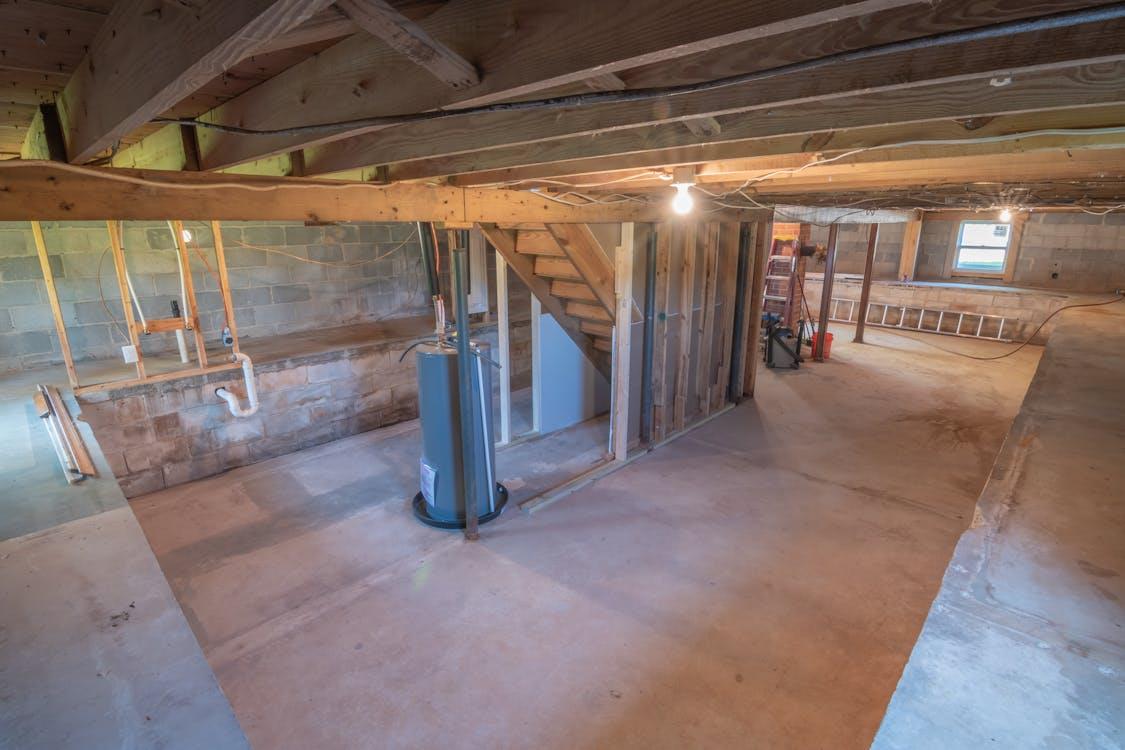
An unfinished basement often becomes a catch-all for storage, seasonal décor, and boxes you rarely open. Yet it represents some of the most valuable square footage in your home. Instead of building an addition, you can transform this lower level into a family room, guest suite, office, or fitness area. That extra space can dramatically improve your day-to-day life while also increasing resale appeal.
In places like Grand Rapids, where long winters keep families indoors for months at a time, having usable lower-level space makes a noticeable difference. A thoughtfully planned basement makeover adds comfort and flexibility without expanding your home’s footprint. The key is to approach the project strategically. Budget-friendly does not mean cutting corners. It means identifying what truly matters, protecting your investment, and making design decisions that deliver long-term value.
1. Start with a Solid Foundation: Moisture Control, Insulation, and Smart Planning
Before you think about furniture or décor, address moisture. Basements naturally sit below grade, which makes them vulnerable to water intrusion and condensation. Start by checking for foundation cracks and sealing any visible gaps. Then make sure your gutters and exterior grading direct water away from the home. Adding a proper vapor barrier and choosing the right insulation will prevent mold growth and protect everything you plan to install later.
Insulation also plays a major role in comfort and long-term energy costs. Rigid or spray foam insulation helps regulate temperature and reduce drafts year-round. While painting and decorating can be satisfying DIY projects, framing, waterproofing, and meeting building codes require professional insight. If you live in Grand Rapids basement finishing requires extra attention to moisture control and insulation.
2. Brighten the Space: Lighting Strategies That Eliminate the “Dungeon” Feel
Lighting makes or breaks a basement makeover. Many lower levels lack large windows, so you need a layered approach. Recessed LED lights provide even overhead illumination without lowering ceiling height. Wall sconces and floor lamps add warmth and prevent harsh shadows. LEDs also consume less energy, which keeps long-term costs manageable.
Color choices matter just as much as fixtures. Light, neutral paint reflects available light and makes ceilings feel higher. Strategically placed mirrors can bounce light across the room, visually expanding the space. By combining smart lighting with thoughtful color selection, you can create a basement that feels inviting rather than confined.
3. Choose Cost-Effective, Durable Flooring Options
Basement floors need to handle moisture and heavy use. Luxury vinyl plank stands out as a practical option because it resists water, mimics hardwood, and costs significantly less. It also installs relatively easily, which can reduce labor expenses if you take on part of the work yourself.
Stained or polished concrete offers another budget-conscious solution. It requires minimal materials and delivers a clean, modern look. If you prefer something softer, consider carpet tiles. They cost less than wall-to-wall carpeting and allow you to replace individual sections if damage occurs. Choosing durable flooring upfront prevents expensive repairs later.
4. Embrace the Industrial Look: Save by Leaving Ceilings Exposed
Finishing a basement ceiling can eat up a large portion of your budget. Instead of installing drywall or a drop ceiling, consider leaving the ceiling exposed. Many homeowners now paint ductwork, pipes, and joists in a uniform neutral color to create a clean, cohesive appearance. This approach eliminates material and labor costs while preserving ceiling height.
An exposed ceiling also makes future repairs easier since plumbing and electrical lines remain accessible. If noise is a concern, you can add acoustic panels or soft furnishings to absorb sound. Thoughtful lighting placement will further polish the look. With careful planning, this design choice feels intentional rather than unfinished.
5. Zone Your Basement for Multi-Functional Living
You do not need to build multiple walls to create purposeful spaces. Start by identifying how you want to use the basement. Maybe you need a media area, a small home gym, and a desk for remote work. Use rugs, shelving units, and furniture placement to visually divide these areas without closing off the room.
This approach keeps construction costs down and maintains flexibility. As your needs change, you can rearrange the layout without major renovations. Curtains, sliding doors, or partial dividers can provide added separation when needed. By zoning thoughtfully, you maximize function while staying within budget.
6. Smart DIY vs. Professional Labor: Know Where to Save and Where to Splurge
Taking on select tasks yourself can significantly reduce expenses. Painting walls, installing luxury vinyl plank flooring, and assembling storage systems are manageable for many homeowners with basic tools and patience. These cosmetic updates allow you to personalize the space while keeping labor costs under control. They also give you flexibility to pace the project according to your schedule and budget.
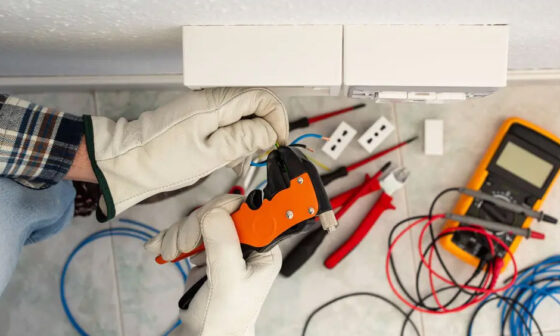
However, electrical wiring, plumbing adjustments, and structural framing demand professional expertise. Mistakes in these areas can create safety hazards and lead to costly corrections. Building codes and permit requirements must also be followed carefully to avoid issues during inspections or resale. Invest in licensed contractors for technical work, and reserve DIY energy for finishing touches. This balanced approach protects your home and your budget.
7. Plan for Long-Term Efficiency and Added Home Value
A basement makeover should support comfort today and value tomorrow. Properly extending HVAC systems, sealing air leaks, and choosing energy-efficient lighting will improve performance and reduce monthly bills. Insulated doors and well-sealed windows also help regulate temperature year-round.
Think about resale potential as well. Neutral finishes and flexible layouts appeal to a wider range of buyers. Even if you plan to stay for years, building with quality and efficiency in mind strengthens your investment. A carefully finished basement becomes a selling point rather than just extra space.
A budget-friendly basement makeover starts with smart planning. Address moisture and insulation first, then focus on lighting, durable flooring, and practical design choices. Consider cost-saving options like exposed ceilings and open zoning while knowing when to rely on professional expertise. By making thoughtful decisions at each stage, you create a space that enhances daily living and adds lasting value to your home.