Industrial operations are under pressure right now, and it’s coming from every direction. Costs keep climbing. Supply chains feel tighter than ever. Customers and partners expect businesses to act responsibly, not just talk about it. That combo forces companies to rethink how they run day-to-day operations.
Here’s the thing, though. Going sustainable doesn’t have to mean spending more or flipping everything upside down. A lot of smart changes actually help businesses save money while cutting waste. It’s about using what already works better, choosing flexible solutions, and avoiding unnecessary spending.
Here, we’ll discuss some practical, cost-conscious choices that are quietly reshaping industrial operations, starting with some surprisingly simple upgrades.
Why Sustainability and Cost Savings Now Go Hand in Hand
Sustainability used to sound like extra work. Now it looks more like common sense. When businesses waste less, they spend less. When equipment runs efficiently, energy bills drop. When materials last longer, replacement costs slow way down.
Industrial leaders are catching on. They’re focusing less on quick fixes and more on long-term efficiency. That shift helps stabilize budgets while reducing environmental impact. Instead of chasing short-term savings, companies invest in systems and practices that keep paying off year after year.
Shipping Containers as a Sustainable Storage Solution
Shipping containers have become a go-to option for industrial storage, and it’s easy to see why. They’re tough, weather-resistant, and built to handle heavy use. Instead of constructing new storage buildings, companies can reuse containers that already exist. That alone cuts material waste and construction costs.
What really sells them is flexibility. Businesses use containers for equipment storage, on-site offices, workshops, and even temporary expansions. Need more space fast? Add a container. Need to move it later? No problem.
There’s also plenty of choice. Companies can find a wide variety of shipping containers for sale, ranging in size, condition, and layout. That makes it easier to buy exactly what fits operational needs without overspending. Reusing containers extends their life cycle and keeps materials out of landfills. It’s practical, affordable, and sustainable all at once.
Energy-Efficient Equipment That Lowers Operating Costs
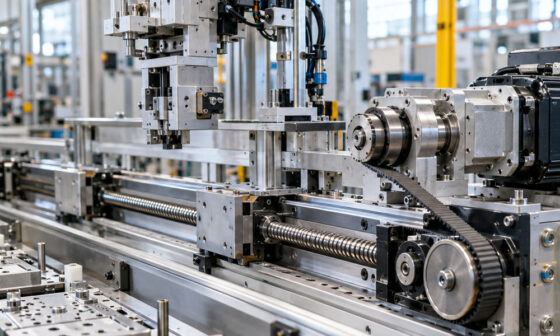
Old equipment drains money quietly. It uses more power, needs frequent repairs, and struggles to keep up with demand. Upgrading to energy-efficient machinery changes that fast. Newer systems use less electricity while delivering better performance.
Industries that invest in efficient equipment often see immediate savings on utility bills. Over time, those savings add up. Lower energy use also reduces strain on infrastructure and cuts emissions without slowing production.
Another bonus? Reliable equipment means fewer breakdowns. That saves money on emergency repairs and keeps operations moving. Efficiency here isn’t about doing more work. It’s about doing the same work with fewer resources.
Smarter Material Use to Reduce Industrial Waste
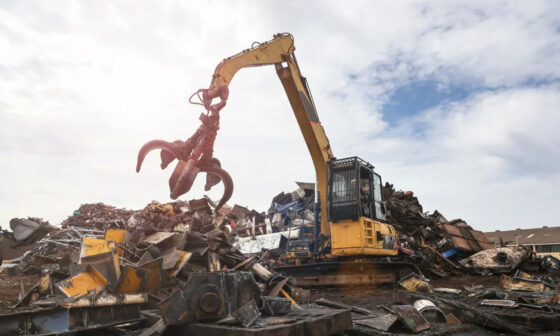
Material waste eats into profits. Scrap, excess inventory, and damaged goods all cost money. Smarter planning helps fix that. Many companies now track material use more closely, adjusting orders and processes to avoid overbuying.
Recycling also plays a big role. Instead of discarding leftover materials, businesses find ways to reuse or repurpose them. Some even partner with recyclers to recover value from what used to be trash.
These changes don’t slow production. They tighten it. Less waste means cleaner workspaces, fewer disposal costs, and better use of every dollar spent on materials.
Water Conservation Strategies in Industrial Facilities
Water use often flies under the radar, but it adds up fast. Industrial facilities rely on water for cooling, cleaning, and processing. Small efficiency upgrades can make a big difference.
Reusing process water, fixing leaks early, and installing efficient systems help reduce overall demand. Lower water use leads to lower utility bills and less pressure on local resources.
Water conservation also supports compliance with regulations, which helps avoid penalties and downtime. It’s a quiet upgrade that pays off financially and environmentally without disrupting daily operations.
Sustainable Packaging and Shipping Improvements
Packaging and shipping don’t always get the spotlight, but they matter more than people think. A lot of industrial waste comes from excessive packing materials, oversized boxes, and single-use plastics that pile up fast. Companies are starting to clean that up, not just for environmental reasons, but because waste costs money.
Switching to reusable packaging or lighter materials can make shipping cheaper right away. Less weight means lower fuel use. Better package design also reduces damage during transport, which saves on replacements and returns. It’s not about doing something fancy. It’s about being smarter with what goes out the door.
Preventive Maintenance as a Cost-Conscious Practice
A lot of industrial operations learn this the hard way: waiting for equipment to break is expensive. Emergency repairs cost more, downtime piles up, and replacement parts don’t come cheap.
When companies stay on top of inspections, lubrication, cleaning, and routine part replacements, machines run longer and more efficiently. That means less wasted energy, fewer breakdowns, and smoother production. It’s one of those things that feels small until you realize how much money it saves over time.
Renewable Energy Options for Industrial Operations
Renewable energy used to feel out of reach for heavy industry, but that’s changing fast. More facilities are exploring solar panels, hybrid systems, or agreements that allow them to pull cleaner energy from the grid. The goal isn’t always to go fully green overnight. It’s to reduce dependence on volatile energy prices.
Electricity costs don’t stay stable. Renewable options help companies lock in more predictable expenses over time. Even partial adoption can make a difference, especially for operations that run around the clock.
Workforce Practices That Support Sustainable Change
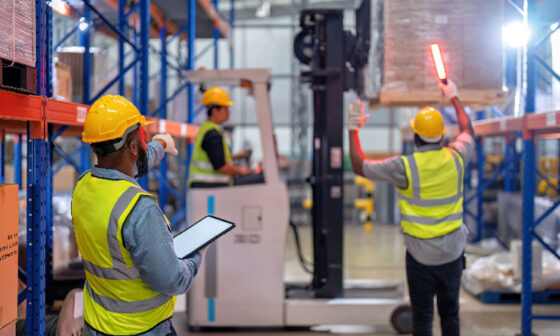
Sustainability doesn’t stick if it only lives in policy documents. The workforce makes the real difference. Employees handle equipment, manage materials, and make daily decisions that affect waste and efficiency. When companies train teams properly, sustainable practices become routine instead of forced.
Simple habits matter. Turning off idle machinery, reporting leaks early, sorting reusable materials, and following efficient workflows all add up. These aren’t dramatic changes, but they make operations tighter and more cost-effective.
Companies that involve workers in improvement efforts usually see better results.
Sustainable industrial operations don’t rely on flashy promises or massive changes. They grow from smart, cost-conscious decisions that improve efficiency across the board. From reusable shipping containers to energy-efficient equipment and training employees on best practices, these choices help businesses stay competitive while cutting waste.