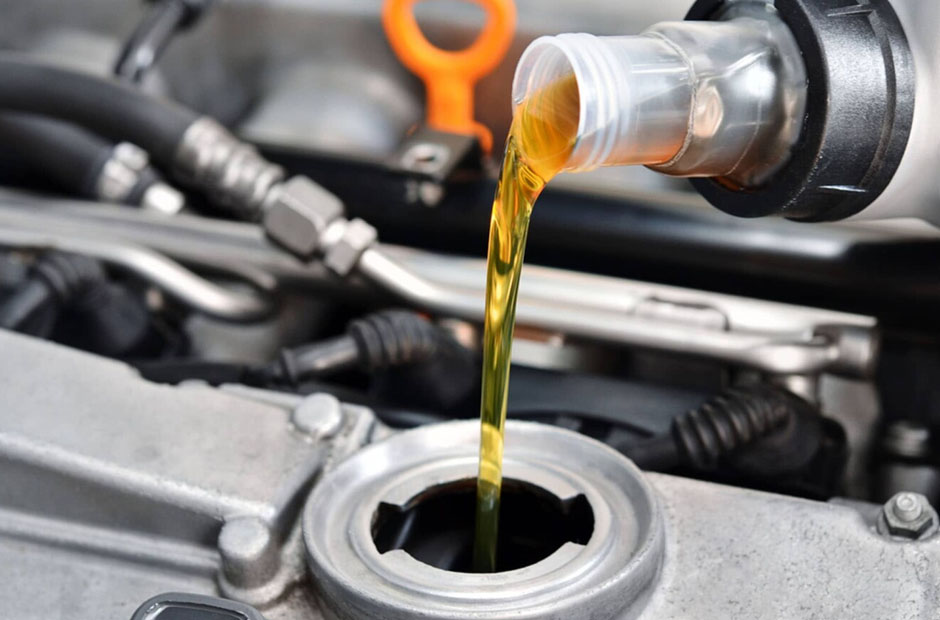
Choosing the right oil for your vehicle is essential to ensure optimal engine performance, longevity, and fuel efficiency. Many drivers in Houston often schedule an oil change Houston TX, and wonder about car oil types and how to select the right one for their engine. Understanding the different engine oil types, their benefits, and which applications they are best suited for is critical for maintaining your car’s health.
Oil lubricates moving parts, reduces friction, absorbs heat, and helps prevent sludge and deposit formation. Using the wrong type can accelerate wear, reduce efficiency, and even cause engine damage. Knowing the types of engine oil for cars helps you make informed decisions and keep your engine running smoothly.
Main Car Oil Types
Modern vehicles use different engine oil types depending on engine design, driving habits, and environmental conditions. Visiting a trusted auto repair shop near me can help you choose the right oil. Here are the most common options:
Conventional Oil
Conventional oil is refined from crude oil and provides basic lubrication. It’s suitable for older engines or cars with standard driving conditions. While it’s cost-effective, it breaks down faster under extreme temperatures and requires more frequent changes. Conventional oil typically needs to be changed every 3,000–5,000 miles, depending on driving habits and engine type.
Synthetic Oil
Synthetic oil types are chemically engineered to perform consistently in extreme heat and cold. They provide superior engine protection, reduce friction, prevent sludge, and extend oil change intervals. Fully synthetic oils are recommended for high-performance engines or vehicles operating under heavy load or extreme conditions. Synthetic oil can often last 7,500–10,000 miles before a change is needed, making it ideal for long-term engine health.
Synthetic Blends
A hybrid between conventional and synthetic oil, synthetic blends combine benefits of both. They offer better protection than conventional oil but are less expensive than full synthetics. This type is ideal for drivers seeking improved performance without the higher cost of fully synthetic oil. Synthetic blends typically last 5,000–7,500 miles before requiring a change, depending on engine type and driving conditions.
High-Mileage Oil
Designed for vehicles with over 75,000 miles, high-mileage oils contain additives that protect aging seals, reduce leaks, and minimize oil consumption. This type is one of the types of engine oil for cars specifically formulated for longevity.
How Many Types of Oil Are Used in Vehicles?
Many drivers ask, how many types of oil are used in a vehicle, and the answer depends on how you classify them. Broadly, there are four major categories: conventional, synthetic, synthetic blends, and high-mileage oils. Each category has multiple viscosity grades and formulations to suit different engines and driving conditions. Understanding the differences in car oil types ensures that you select the right oil for your engine, improving efficiency and reducing long-term repair costs, which can also help maintain compliance with maintenance requirements under a car extended warranty. For expert guidance and quality service, many drivers trust Eric’s Car Care.
Choosing the Right Oil for Your Car
Selecting the correct engine oil types involves considering the following:
- Manufacturer Recommendations: Your owner’s manual lists the recommended types of engine oil for cars, including viscosity and performance standards.
- Driving Conditions: Extreme temperatures, heavy loads, and stop-and-go traffic often require synthetic oils for optimal protection.
- Engine Age: Older engines may benefit from high-mileage oils to protect seals and reduce oil consumption.
- Frequency of Oil Changes: Full synthetics allow longer intervals, while conventional oils require more frequent changes.
Following these guidelines ensures that the right car oil types are used for your engine, protecting vital components and maintaining performance.
Benefits of Using the Correct Oil Type
Using the right oil type provides numerous advantages:
- Reduces engine wear and prolongs lifespan.
- Maintains proper lubrication under high temperatures or heavy loads.
- Prevents sludge and deposits from forming inside the engine.
- Improves fuel efficiency by reducing friction.
- Extends intervals between oil changes, saving time and maintenance costs.
Understanding the engine oil types and selecting the right one ensures smooth performance, longevity, and reliability.
Key Takeaways
- Knowing the car oil types helps drivers maintain optimal engine performance.
- There are four main types of engine oil for cars: conventional, synthetic, synthetic blend, and high-mileage oil.
- Engine oil types are chosen based on engine design, driving conditions, and manufacturer specifications.
- Understanding how many type of oil used in vehicle prevents misuse and costly repairs.
- Using the correct oil type improves efficiency, reduces wear, and prolongs engine life.