Selecting the right eDiscovery platform requires more than a quick feature scan. Legal teams manage expanding volumes of email, chat records, and cloud data across multiple systems. In 2026, buyers must assess performance, security, cost, and usability in equal measure. A structured evaluation process helps narrow choices and supports confident purchasing decisions.
Clear internal requirements should guide the selection process from the start. Many ediscovery software solutions advertise broad capabilities, but actual needs vary by organization. Data volume, case frequency, and regulatory exposure all influence platform suitability. A focused assessment helps prevent overinvestment in features that may go unused.
Examine Search Depth and Review Efficiency
Search performance remains central to effective discovery. These capabilities help uncover relevant material without combing through every file manually. Strong search depth supports faster evidence identification. Tagging, categorization, and predictive prioritization can reduce manual workload significantly. Email threading and duplicate detection help clarify communication chains and eliminate repetitive documents.
Key Capabilities to Prioritize
During evaluation, focus on features that directly affect review quality and speed:
- Contextual or concept-based search functions
- Automated duplicate and near-duplicate detection
- Email conversation reconstruction
- Bulk tagging and coding tools
These elements often distinguish capable systems from basic platforms.
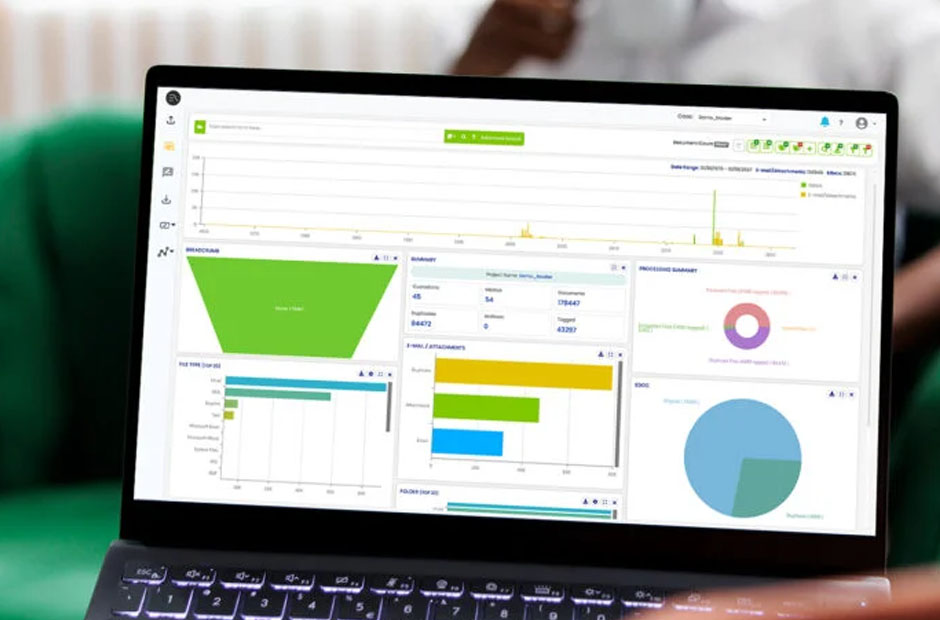
A powerful tool that lacks intuitive navigation may slow adoption. Clear dashboards and structured layouts support smoother collaboration between internal staff and external counsel. Practical usability contributes to sustained efficiency.
Evaluate Security Controls and Compliance Readiness
Data protection standards remain a top priority for corporate legal departments. Platforms should provide encryption during storage and transfer, along with strict access controls. Role-based permissions help restrict visibility to authorized personnel only. Strong safeguards protect confidential corporate and client information.
Compliance readiness also deserves careful review. Solutions that align with SOC 2, GDPR, or HIPAA standards may help improve regulatory confidence. Detailed audit trails record user actions and document access. Transparent logs strengthen defensibility during external audits or court scrutiny.
Check Pricing Models and Hidden Costs
Cost transparency influences long-term satisfaction. Vendors use varying pricing structures that include subscription tiers, per-user fees, or data-based charges. Understanding how storage, processing, and user access are billed helps avoid unexpected expenses. Clear breakdowns support accurate budgeting. Hidden costs can emerge in areas such as data export or technical support. Buyers should request detailed pricing documentation before committing. Forecasting data growth aids more realistic cost estimates.
Return on investment should factor into the evaluation as well. Systems that reduce manual review time may help improve operational efficiency. Lower reliance on external providers can offset subscription fees. A balanced cost analysis considers both direct and indirect savings.
Assess Implementation and Ongoing Support
Technical compatibility affects deployment speed and user adoption. Platforms should integrate smoothly with email systems, cloud storage, and case management tools. Seamless data ingestion reduces duplication and technical delays. Compatibility checks help ensure a smoother rollout.
Support quality influences long-term performance. Access to training materials and responsive assistance helps legal teams adapt to new tools. Clear documentation aids faster troubleshooting during active matters. Reliable vendor support contributes to consistent system use. Vendor reputation also offers insight into reliability. Independent reviews and client feedback highlight strengths and potential gaps. Research into past performance helps clarify expectations.
Thorough evaluation of ediscovery software solutions in 2026 requires attention to use cases, feature depth, security, pricing, and support. Strong platforms balance search precision, review efficiency, and compliance readiness within a clear cost structure. Transparent implementation plans and dependable assistance further support adoption. Structured comparison and careful research guide legal departments toward informed, practical technology decisions.