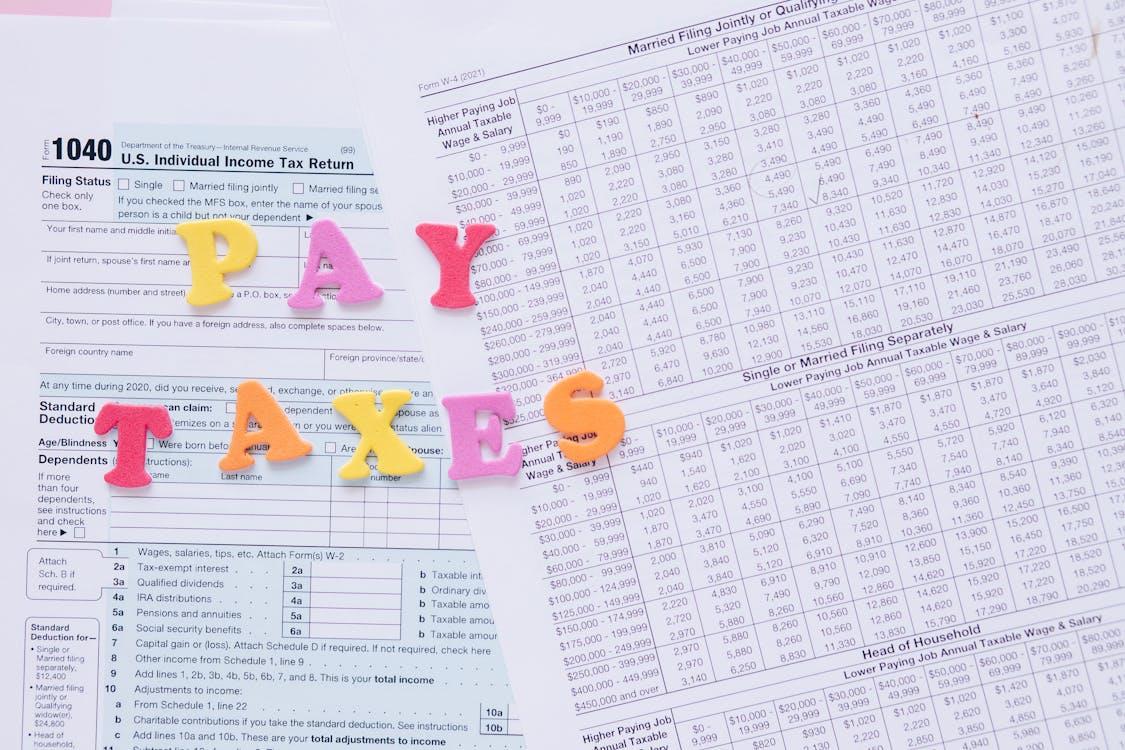
Tax season often brings a familiar sense of anxiety for entrepreneurs. Many business owners focus on growth, operations, and customers throughout the year, only to face a significant tax bill when it’s time to file. When taxes are not planned for in advance, they can quickly eat into the capital that businesses rely on to expand, hire talent, or invest in new tools. For small companies, especially, that unexpected financial pressure can slow progress and limit opportunities.
The good news is that taxes do not have to be managed reactively. Entrepreneurs who treat tax planning as an ongoing financial strategy often find ways to legally and responsibly reduce their annual tax burden. Instead of scrambling to collect receipts and documents once a year, they look ahead and structure their businesses to take advantage of available tax rules.
Effective tax planning starts with understanding how different decisions affect taxable income. Business structure, compensation strategies, and equipment purchases can all influence a company’s ultimately payroll costs. By taking a proactive approach, entrepreneurs can make financial decisions throughout the year that align with both growth and tax efficiency.
Choosing the Most Tax-Efficient Business Structure
Many entrepreneurs begin their journey as sole proprietors because it is the fastest and simplest way to start operating. This structure works well in the early stages, especially when the business is still testing its market. However, as revenue grows, it can create a higher tax burden because all profits are typically subject to self-employment taxes. At this point, many business owners begin looking at other options, such as forming an LLC or electing S Corporation status.
An S Corporation is not a different type of company but a tax election that changes how business income is treated for tax purposes. Under this structure, owners can divide their income between a reasonable salary and profit distributions. This distinction matters because only the salary portion is subject to payroll taxes. As a result, the structure creates opportunities to reduce overall tax exposure through strategies such as S Corp tax deductions. For entrepreneurs whose businesses are generating consistent profits, reviewing entity options with a tax professional can reveal ways to keep more of the business’s earnings.
Balancing Reasonable Compensation and Owner Distributions
When operating as an S Corporation, owners must pay themselves a salary that the IRS considers reasonable for the work they perform. This means the compensation should reflect what someone in a similar role would typically earn in the same industry. Setting a fair salary is an important compliance requirement and forms the foundation of an effective tax strategy.
After paying that reasonable salary, additional profits can be distributed to the owner as distributions rather than wages. Because distributions are generally not subject to payroll taxes, this structure can reduce the overall tax burden when managed properly. Entrepreneurs should document industry salary benchmarks and maintain clear records so their compensation approach remains well supported if questioned.
Leveraging Section 179 and Bonus Depreciation for Equipment
Many businesses invest regularly in equipment, software, and technology to stay competitive. Instead of spreading those costs over several years through traditional depreciation, tax rules allow certain purchases to be deducted much sooner. Section 179 allows qualifying assets to be written off in the year they are placed in service, which can significantly reduce taxable income.
Bonus depreciation offers another opportunity to accelerate deductions for eligible business assets. By timing major purchases strategically before the end of the tax year, entrepreneurs can lower their current tax bill while improving operational capabilities. This approach works best when purchases align with genuine business needs rather than being made solely for tax purposes.
Maximizing Retirement Contributions to Reduce Taxable Income
Entrepreneurs often focus on reinvesting profits into their businesses but overlook the tax advantages of retirement planning. Accounts designed for self-employed professionals, such as SEP IRAs and Solo 401(k)s, allow business owners to contribute significant amounts while lowering taxable income for the year. This creates a dual benefit of tax reduction and long-term financial security.
A Solo 401(k) is particularly powerful because it allows both employee and employer contributions. That structure increases the total amount that can be set aside each year compared with traditional retirement accounts. Entrepreneurs can also adjust contributions based on profitability, making these plans flexible in both strong and slower financial years.
Taking Advantage of the Augusta Rule and Home-Based Business Benefits
Many entrepreneurs run at least part of their business from home, which opens the door to several legitimate tax advantages. The home office deduction allows a portion of housing expenses to be deducted if the space is used regularly and exclusively for business activities. This can include a share of rent or mortgage interest, utilities, and internet costs.
Another lesser-known opportunity is the Augusta Rule. This rule allows homeowners to rent their personal residence to their business for up to fourteen days each year without having to report that rental income on their personal tax return. Business meetings, planning sessions, or small company events can qualify when properly documented and priced at fair market value.
Using Accountable Plans for Tax-Efficient Reimbursements
An accountable plan allows a business to reimburse employees or owner-employees for legitimate business expenses without those payments being treated as taxable income. This structure can cover expenses such as mileage, travel, supplies, and a portion of home-office costs related to business operations.
The key requirement is documentation. Employees must submit receipts and records showing that the expenses were business-related. When managed correctly, the business deducts the expense while the recipient avoids additional income tax. For small companies and solo entrepreneurs, this approach helps ensure everyday operational costs are handled in the most tax-efficient way possible.
Maintaining Consistent Expense Tracking and Financial Records
Even the best tax strategies lose value if expenses are poorly tracked. Many entrepreneurs miss legitimate deductions simply because receipts are misplaced or transactions are misclassified. Consistent recordkeeping throughout the year ensures that every eligible expense is accounted for when it is time to prepare taxes.
Modern accounting software has made this process much easier. Digital tools can automatically categorize transactions, attach receipt images, and generate clear financial reports. Accurate records not only protect deductions but also help business owners understand profitability, manage cash flow, and make more informed financial decisions.