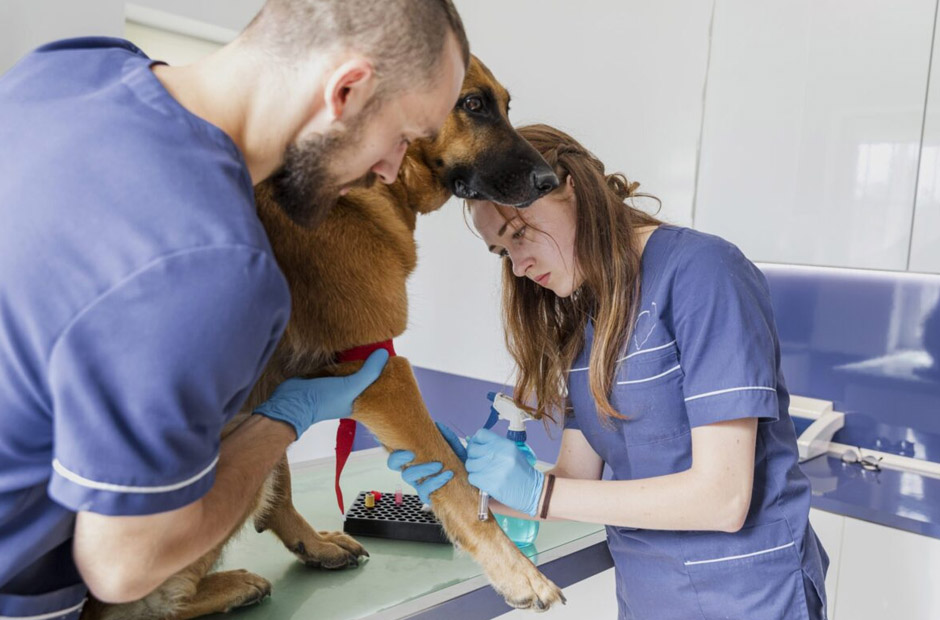
Veterinary medicine requires sustained physical ability, clinical precision, and cognitive focus. An illness or injury can restrict those abilities and interrupt earned income. Disability insurance for veterinarians in practice is structured to address these professional risks. Here are common myths about disability insurance for practicing veterinarians:
Standard Policies Cover Veterinarians
A common misconception is that any disability insurance automatically covers the professional risks of veterinarians. Some assume general or group policies provide sufficient protection. Disability insurance applies the regular occupation definition. It evaluates whether the insured can perform the material duties of their veterinary profession and determines benefit eligibility.
Policies for veterinary professionals can include specific coverage and pricing provisions. These provisions help maintain consistent benefits and contract terms over time. Plans with such features protect income potential by keeping terms consistent rather than allowing them to change or lapse. Individual insurance for practicing veterinarians may include residual provisions that provide benefits when a veterinarian continues working but experiences reduced earnings due to medical limitations.
These provisions respond to reductions in income, not just a complete inability to work. Selecting coverage involves contract review and benefit evaluation. This process helps veterinarians understand policy definitions, provisions, and features before committing. It allows the terms to reflect professional responsibilities, instead of assuming that all policies automatically cover the risks of veterinary work.
Employer Coverage Is Enough
Some professionals assume that an employer’s plan completely covers their income. This makes individual disability insurance unnecessary. These assumptions overlook the fact that employer disability benefits are tied to active employment and may end when a veterinarian leaves the practice. Employer plans do not necessarily cover income that involves performance or production-based earnings.
These plans may define disability in general terms that do not assess the ability to perform veterinary duties. Disability insurance for practicing veterinarians uses occupation-specific definitions to align coverage with professional responsibilities, providing protection that continues regardless of employment changes. The policies may be modified to support various roles, such as residents, associates, or practice owners, to reflect the variations in compensation and workload.
All Policies Are Identical
Veterinarians who assume all policies provide the same protection could end up underinsured, since each plan works differently. Policies vary in aspects like the definition of disability, elimination periods, benefit periods, and optional riders. Coverage may include residual disability benefits. They compensate proportionately in case there is a decrease in the earnings of a veterinarian. Own-occupation provisions provide benefits if the veterinarian cannot perform their regular veterinary duties, whereas optional riders, such as cost-of-living adjustments, help preserve the value of the benefits over time. An analysis of policy terms helps verify that the coverage addresses all the risks that veterinarians can encounter, providing stability during both minor and major interruptions to work capacity.
Insurance Covers Income Only
Disability insurance for veterinary practice owners extends beyond the replacement of personal income. Overhead expense insurance provides financial support to cover ongoing business operating fees in the event that the owner becomes disabled and is unable to work. Such expenses typically include the following:
- Rent or mortgage payments
- Property taxes
- Equipment leases
- Utilities
- Employee salaries
- Business loans
- Insurance premiums
- Professional accounting or billing fees
These expenses persist regardless of the owner’s capacity to work.
Certain policies incorporate additional provisions, including carry-forward features. These allow unused benefits from months with lower expenses to be applied to subsequent months. Exchange privileges enable conversion of the policy to individual disability coverage if the owner leaves the practice. Additional benefits may include legal and accounting fee coverage to facilitate the sale or closure of the practice due to disability, presumptive disability benefits, and waiver of premium provisions. The primary objective of overhead expense insurance is to provide the owner with financial flexibility during periods of incapacity.
Get Disability Insurance for Practicing Veterinarians
Disability insurance for practicing veterinarians protects both personal income and the financial stability of the practice. Customized individual policies, which can include residual and overhead coverage, address gaps that employer plans may not cover. Professional guidance helps veterinarians to analyze policies, choose the appropriate coverage, and set up benefits that offer ongoing income protection and support long-term career security. To discuss disability coverage that safeguards your income and practice, contact a veterinary-focused insurance company.