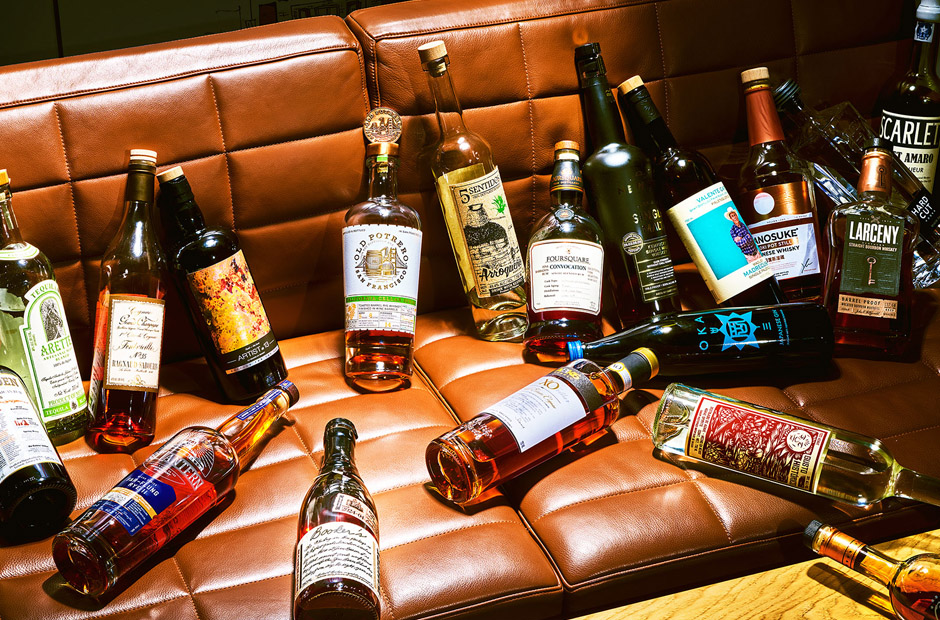
Whether you are stocking up for a holiday, party, or home use, liquor stores offer a range of flavors to explore. Common options include crisp beers, smoky whiskies, and sweet liquors. Knowing the available flavor options helps you make a more informed selection. Here are some common flavors you can get at a liquor store:
Citrus and Tropical Profiles
Bright, zesty flavors like lemon, lime, orange, and grapefruit feature in multiple spirit categories. These notes appear naturally in certain gins and rums, and they are also introduced through infusion after distillation. Citrus-flavored spirits are a versatile option; they work well neat, over ice, or as a base for cocktails. The citrus note adds balance to mixed drinks, making these bottles a practical option for different events, including casual sipping.
Tropical flavors include pineapple, mango, passionfruit, and coconut. Rum is a common carrier of these profiles, and the flavor often develops from the sugarcane base during fermentation. Some bottles are infused with tropical fruit after distillation, resulting in a sweeter, more dessert-like spirit. These selections can be ideal for outdoor events like beach gatherings, and they pair well with soda water, lemonade, and fruit juices.
Spiced and Herbal Notes
Spiced and herbal beverages derive their character from ingredients such as clove, cinnamon, black pepper, ginger, and nutmeg. Spiced rum is a well-known example, and the added spices create a warming, layered flavor that works in both cold and warm drinks. The spice level varies by brand. Some bottles are subtly seasoned while others carry a bold, sharp heat. These spirits often pair well with ginger beer, cola, and apple cider, making them a go-to option for fall and winter drink setups.
A different set of botanicals, including juniper, anise, fennel, gentian, and mint, gives herbal spirits their unique notes. Gin’s juniper-rich profile defines the classic dry and herbal style. The bitterness in many herbal spirits serves a functional purpose in mixology by effectively balancing sweeter ingredients. Spiced and herbal profiles attract drinkers who prefer complexity over simple sweetness.
Oak and Caramel Tones
Oak and caramel flavors develop through barrel aging, and bourbon is a recognizable example of this profile. The spirit rests in charred oak barrels, and over time, it absorbs compounds that produce vanilla, toffee, caramel, or coconut notes. The length of aging directly affects the intensity of these flavors. Longer barrel time creates a richer, more pronounced profile. Bourbon, scotch, aged rum, and certain brandies all carry these tones to varying degrees.
Scotch is not the same as bourbon because it usually has a smoky or peaty flavor in addition to the oak base. This happens when the malt is dried over peat smoke before distillation. The result is a spirit with an oak structure and a distinct smokiness, distinct from American whiskey. Bourbon is ideal for drinkers who like sweeter flavors, while scotch appeals more to those who enjoy savory, complex notes.
Oak-aged spirits’ amber color and the depth of their flavor profile make them a reliable choice for special occasions. Vanilla and caramel tones in aged rum also make it a more approachable entry point for drinkers who are new to brown spirits. These bottles are enjoyed neat or with a few drops of water. You can also drink them over a single large ice cube that melts slowly without diluting the flavor too quickly.
Crisp and Malted Picks
Crisp spirits include light lagers, dry gins, and unflavored vodkas that finish clean and sharp. These options carry minimal sweetness, and the flavor profile is defined more by texture and finish than by dominant notes. Their precise distillation and filtration result in a crisp profile. Malted options available at a liquor store include grain whiskies and beer, both of which rely on malted barley. The malt adds a slightly nutty, bready quality to the flavor, giving the spirit a fuller body than a neutral vodka or light rum.
Visit a Liquor Store
Trying different flavor profiles helps build your palate and diversify your options. A good store stocks multiple options across every category to satisfy the needs of different drinkers. Experienced staff can also recommend options you would not have found on your own. Visit a reputable liquor store, browse their stock, and find your flavor profile.