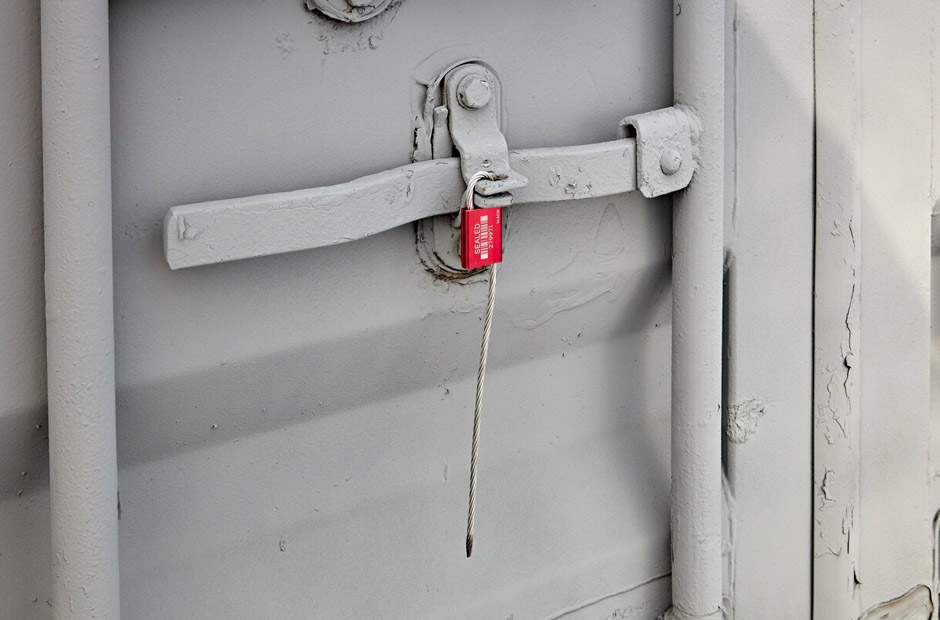
Indicator seals are designed to show if a shipment has been tampered with, but they do not guarantee that damage or loss will never occur. Shipments can still fail due to improper sealing, mishandling during transport, or flaws in the packaging itself. Understanding why failures happen helps businesses and individuals take steps beyond simply applying a seal. The main reason shipments fail despite indicator seals is that the seal alone cannot prevent human error or environmental risks.
Many people assume that applying a seal is enough to ensure safety, but real-world shipping involves multiple factors. Packages can be exposed to rough handling, extreme temperatures, or moisture that compromise the contents even if the seal remains intact. Learning the limitations of indicator seals allows shippers to implement additional precautions, such as stronger packaging or careful handling instructions. By understanding these risks, you can better protect shipments and reduce the chance of failure.
Why Does Improper Sealing Lead to Shipment Issues
Improper sealing is one of the main reasons shipments fail even when indicator seals are used. If the seal is applied incorrectly or not fully secured, it can give a false sense of security while leaving the package vulnerable to tampering. This step matters because a weak or loose seal may not indicate when interference occurs, allowing damage or theft to go unnoticed. Typically, proper sealing involves ensuring the seal locks completely and aligns correctly with the closure points of the packaging.
Even small mistakes, such as sealing a flap that is misaligned or using a damaged seal, can compromise shipment safety. These errors often happen during busy packing periods or when staff are not trained on seal application. Ensuring proper placement and testing the seal before shipping helps maintain the integrity of the shipment. By taking the time to apply seals correctly, shippers reduce the chance of unnoticed breaches that can lead to failures.
How Does Transit Handling Impact Shipment Safety
Handling during transit directly impacts shipment safety, regardless of whether an indicator seal is in place. Packages are exposed to loading, unloading, stacking, and movement that can damage the contents even if the seal remains intact. This matters because indicator seals only show tampering; they cannot prevent physical damage caused by rough handling. Shippers typically manage this risk by training staff, using proper packaging materials, and clearly labeling packages to indicate fragile contents.
Even with a strong seal, rough or careless handling can crush, puncture, or jostle items, causing failure before the shipment reaches its destination. Environmental factors such as vibration, temperature changes, or moisture can worsen the effects of handling. Monitoring and improving transit procedures helps ensure that packages arrive in good condition. Understanding the limits of indicator seals in this context allows shippers to combine sealing with better handling practices for more reliable results.
Why Does Packaging Affect Shipment Success
Weak or inappropriate packaging can cause shipments to fail even when indicator seals are used. Packaging provides the first line of defense against impact, moisture, and shifting during transit. If boxes are too thin, poorly assembled, or overfilled, the contents may be damaged before the seal can indicate tampering. Shippers usually address this by selecting sturdy boxes, adding padding, and ensuring items are snugly packed.
Incorrect packaging also makes it easier for seals to fail or be bypassed. Even a properly applied seal cannot protect fragile items if the container collapses or tears. Reinforcing corners, using dividers, and securing loose items all improve shipment reliability. Understanding how packaging interacts with indicator seals ensures that the seal functions as intended, helping to prevent shipment failures.
What Are Cable Seals and Their Limitations
Cable seals can provide strong tamper evidence for shipments, but they are not a complete solution. They are designed to secure closures like doors, hatches, or containers, and any attempt to break them is immediately visible. This makes them useful for high-value or sensitive shipments, offering extra assurance beyond regular packaging. Using cable seals correctly involves threading the cable through designated points and locking it securely to prevent easy removal.
However, cable seals cannot prevent damage caused by poor handling or environmental conditions. Even with a sturdy cable seal in place, rough transit or extreme weather can harm the contents. They are best used in combination with proper packaging, careful handling, and monitoring procedures. Recognizing the limits of cable seals helps shippers apply them effectively while taking other precautions to reduce the risk of shipment failure.
Why Is Human Error a Risk With Meter Seals
Human error is a common reason shipments fail, even when meter seals are applied. Mistakes such as forgetting to apply the seal, applying it incorrectly, or misreading its condition can leave shipments vulnerable. Meter seals are designed to provide clear evidence of tampering, but they only work if handled properly. Proper training and attention during packing ensure that the seal performs its intended function and alerts handlers to any interference.
Even small oversights, like not checking the seal number or failing to record it, can reduce its effectiveness. Meter seals cannot prevent damage caused by careless handling or poor packaging. Combining careful application of meter seals with correct handling procedures increases shipment security. By understanding how human error impacts seal effectiveness, shippers can take simple steps to reduce risks and improve delivery reliability.
What Role Do Tamper Seals Play in Shipment Security
Tamper seals play an important role in enhancing the security of shipments. They provide visible evidence if a package has been opened or interfered with during transit. By applying a tamper seal, shippers can quickly identify unauthorized access, which deters theft and reduces potential losses. Using these seals as part of a security strategy helps maintain the integrity of valuable or sensitive goods.
While tamper seals cannot prevent all forms of damage, they serve as a strong warning system for handlers and recipients. They are most effective when combined with careful packaging, proper handling, and staff training. Regularly checking and documenting tamper seals ensures that any issues are caught early. Overall, incorporating tamper seals into shipment processes strengthens security and adds confidence for both shippers and customers.
In Summary
Indicator seals can help show if a shipment has been tampered with, but they do not guarantee that packages will arrive undamaged. Shipments may fail due to improper sealing, poor handling, weak packaging, or human error. Understanding these limitations is essential for ensuring that indicator seals are used effectively. When combined with proper packaging, careful handling, and staff training, seals provide an added layer of protection for shipments.
Applying seals correctly, selecting sturdy packaging, monitoring handling during transit, and implementing additional security measures such as cable or meter seals can significantly enhance shipment security. Awareness of human error and environmental risks allows shippers to reduce the likelihood of failures. Understanding how seals function and their limitations helps improve the reliability and protection of each shipment. Consistent preparation and vigilance ensure goods remain safe and build confidence in their timely delivery.