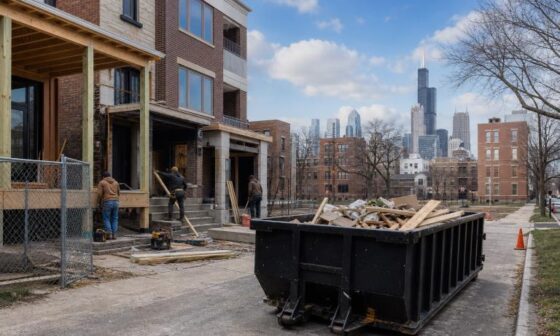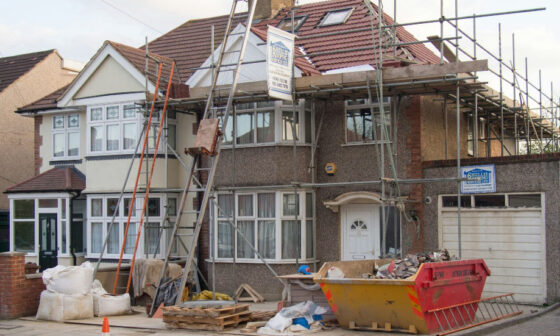
Usually, when people think about dangerous materials inside buildings, they typically imagine abandoned warehouses and old factories. However, the truth is that hazardous fibers can hide in places where nobody would expect, including schools, offices, and normal residential homes.
With that said, many older buildings were made with materials that seemed safe. However, many years later, we now know that some of them can cause serious health issues, including lung cancer.
The tricky part is that these materials appear to be completely harmless, which is why it is important to understand where these dangerous hidden fibers might be and what to do if you suspect a problem.
Joint Compounds & Drywall
Drywall is the ceilings and walls around us in almost every building. With that said, in old construction homes, especially those that were built before the 1980s, drywall may contain harmful fibers, such as asbestos in drywall. Once, asbestos was used to make building materials stronger and resistant to heat.
However, the problem with drywall is that when it is cut, damaged, or drilled, tiny fibers are released into the air. These fibers are so tiny that people inhale them without knowing. Over time, this very aspect can cause serious health issues.
If you or your loved one has been exposed to asbestos and developed a health problem, legal help, such as the legal services of ELSM Law, can help.
Vinyl Floor Tiles & Adhesives
You might be surprised to know that flooring is another hidden hazardous source in building materials. With that said, you should know that many old vinyl floor tiles and the adhesives used to attach them were actually constructed with strong fibers to enhance durability. Now, when tiles break, crack, or get removed, the hazardous fibers can be released. Usually, this happens during renovation projects when homeowners try to remove old.
The best way to go about it is to cover them and ask a professional for advice first, instead of ripping out old ties yourself.
Textured Ceilings & Ceilings Tiles
A few decades ago, popcorn ceilings were incredibly popular. These ceilings had a textured look and helped with noise reduction. However, many of these sealing materials were made with hazardous fibers. During remodeling, when ceilings are scraped, cracked, or removed, these fibers can become airborne. This aspect further increases the risk of developing health issues, especially if the ceiling is damaged, old, or dry.
Roofing & Siding Materials
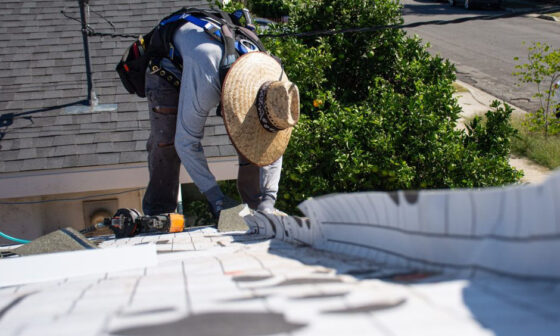
The siding panels and roof shingles in older buildings can contain strong fibers. During construction, these fibers were used to make roof shingles and siding panels that are weather-resistant. When these materials remain intact, they are usually safe and do not produce health dangers. However, damage, repairs, or storms can break these materials apart.
Subsequently, broken pieces can release dangerous fibers into the air and onto the ground, which puts people working across without proper safety at a high risk.
With that said, before replacing old roof shingles or siding, you might want to have the materials tested first. At the end of the day, it is better to be safe than sorry.