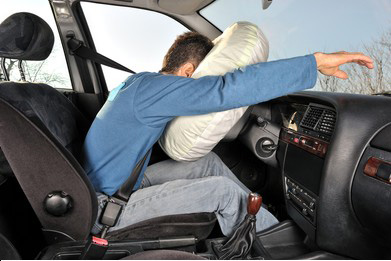
Airbags are engineered to protect passengers and drivers in collisions between vehicles. In the event of an accident, the airbag inflates within a few milliseconds, forming a cushion that prevents the head and chest from striking hard interior surfaces. The technology has helped save the lives of numerous individuals and, to a great extent, reduced injuries from fatal crashes.
But the speed and the force of the airbags are immense. This quick deployment, at times, leads to airbag deployment injuries, especially when an individual is sitting too close to the steering wheel or dashboard during a collision.
The majority of these injuries are not serious; however, some may require medical intervention. Knowing the most common types of airbag injuries helps people recognize the signs of injury after a car crash and act to protect their health.
Why Airbags Can Still Cause Injuries
Airbags inflate via a chemical reaction that pumps gas into the bag in a matter of seconds. The reaction should happen quickly, since the body starts to move forward as soon as a collision occurs.
Thousands of lives have been saved every year in the United States since the introduction of front airbags. However, the force of airbag deployment can result in injuries.
Facial Injuries
Some of the most reported injuries caused by airbags are facial injuries. The airbag may hit the driver in the face, particularly when the driver is seated close to the steering wheel.
This effect could cause bruising, swelling, or cuts in the nose, mouth, or cheeks. In more severe situations, the force may leave the nose or other facial bones broken.
Burns and Skin Irritation
Airbags release gas produced by chemical reactions. This process may release heat and chemical particles, which may sometimes irritate the skin.
Some people end up with slight burns, redness, or abrasions on the arms, hands, or face. Such injuries are not very severe, but they must still be treated to prevent infection and additional irritation.
Chest and Rib Injuries
The chest absorbs the the impact of an airbag, especially for the driver, who is close to the steering wheel. Although the airbag will not harm vital organs, the force may still cause discomfort or injury.
Bruising in the chest, sore muscles, or even broken ribs could result for drivers and passengers. The airbag and seatbelt pressure during a high-speed crash can be combined and create more serious injuries to the chest.
Eye Injuries
Airbag chemicals, dust, or fabric particles may enter the eyes during deployment, causing eye injuries. Some people complain of redness, irritation, or blurred vision following a crash.
In such cases, medical practitioners may need to treat corneal abrasions. Problems with long-term vision can be averted with timely treatment.
Neck and Whiplash Injuries

Even though airbags cushion the head of a car crash victim against direct hits, they fail to prevent strain on the neck in some cases. In an accident, the body will be propelled forward, then snap back as the airbag inflates.
The movement may cause neck and upper spine whiplash or muscle tension. It is possible that symptoms may manifest hours or even days after the crash, which is why a medical examination is often required in most cases.
Key Takeaways
- Airbags are essential safety equipment that reduce injuries during crashes.
- Sometimes airbags can cause injuries to drivers and passengers.
- Typical injuries include facial injuries, burns, chest pain, eye irritation, and neck strains.
- Being close to the steering wheel or dashboard increases the risk of injury.