Liquidating data center equipment can recover a significant portion of the IT investment when handled carefully. This process involves more than just unplugging servers and networking devices. Proper removal, careful handling, and maintaining packaging all help preserve resale value.
Testing and cleaning equipment increases buyer confidence, while timing sales around peak demand can improve returns. Organizations can also consider redeployment, donation, or recycling, depending on condition and compliance requirements.
Keeping detailed inventory records and obtaining certificates of destruction ensures security and regulatory adherence. Understanding these steps allows businesses to maximize value and minimize risks during equipment disposition.
Prepare Equipment for Maximum Resale Value
When it comes to flipping your old data center equipment safely and profitably, careful handling is everything. Equipment from a data center is heavy, fragile, and intricately connected, so removing it in the right order is critical.
Even minor damage during extraction can drastically reduce resale value, making a strategic approach essential for anyone managing this process.
Handle Hardware with Care During Removal
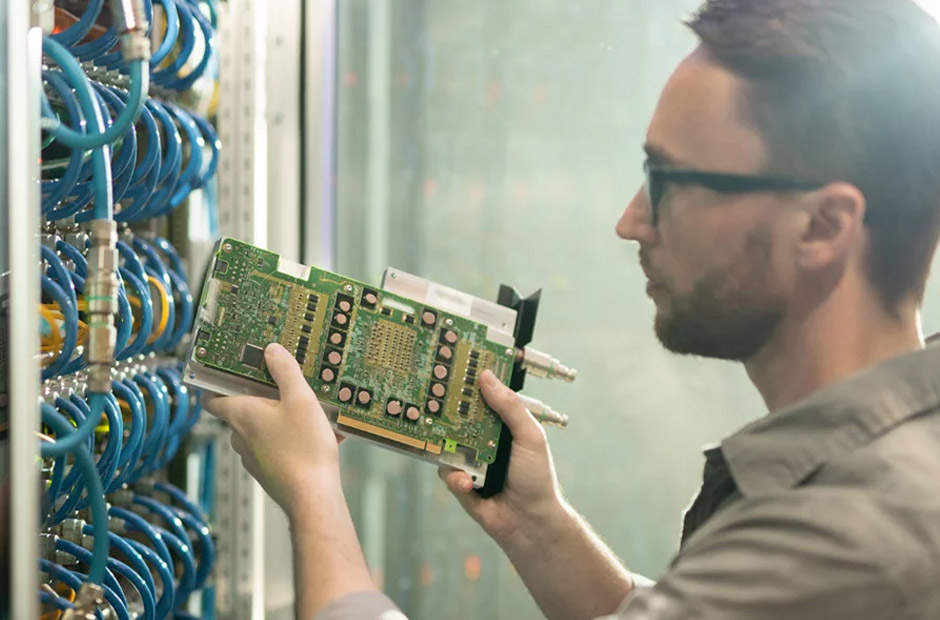
Servers and network equipment get removed from racks in a systematic way, from top to bottom, to maintain rack stability. Each device should be labeled with asset tags and have serial numbers documented. Note the condition as you remove it.
This information determines what happens next: remarketing for valuable equipment, recycling for old equipment, or destruction for devices with security concerns. Cable management alone consumes time in facilities where decades of moves have created cable tangles.
Some organizations choose to cut cables rather than spend time tracing them and disconnecting them properly, though this reduces cable recovery value. The process starts with disconnecting network cables and power cables. Rack ears and pots suffer damage when equipment lacks proper packing.
We’ve run into damaged equipment countless times that wasn’t packed into packaging. Physical damage from careless removal can wipe out thousands in potential recovery value.
Maintain Packaging When Possible
Here’s something buyers won’t tell you: packaging boosts perceived value by a lot. When you plan to sell equipment through online marketplaces, keeping the packaging makes your product more attractive than one housed in bubble wrap.
Listings with “Like New In Box” command premium prices. It signals you’re a more careful owner. Boxes tell buyers the gear was taken care of, wasn’t stolen, and reduces their risk of receiving damaged goods.
To cite an instance, cameras or bodies with lots of small pieces (cables, caps, manuals) depreciate quickly, but packaging helps preserve value. As soon as shipping comes into play, you need it. Try ordering replacement packing from manufacturers when you need it later. It can cost $100 USD.
Fold boxes flat and store them in a single box if storage space becomes an issue. You can get bubble wrap cheaply for the internal padding. This approach preserves the value-boosting benefit while minimizing storage costs.
Clean and Test Equipment Before Sale
Functional equipment appeals far more to buyers. Minor repairs or refurbishments can increase resale value by a lot. Replace missing parts, clean hardware, and test functionality before listing items.
Buyers value transparency. So test everything through power-on diagnostics to confirm units work. Equipment in good working and visual condition commands higher prices than items with visible or functional issues.
Time Your Sale for Peak Demand
Asset recovery from IT data center equipment liquidation can offset 20-40% of decommissioning costs when handled with a strategy. Timing plays a critical role in determining market demand and pricing dynamics.
Technology depreciates quickly, so timing is critical. Don’t let equipment sit unused for too long, as this diminishes resale value. Equipment that sits in storage for 6-12 months depreciates 20-30% in that timeframe. Process equipment disposition within 60 days of removal to capture maximum value.
When demand for equipment runs high, sellers have the advantage of setting higher prices due to limited supply. During periods of low demand, sellers may have to lower prices to attract buyers.
Timing the sale during peak season can lead to higher resale value due to increased market demand and the ability to command premium prices. Selling equipment before it becomes obsolete helps businesses recover a higher proportion of their investment.
Navigate Different Disposition Options
Equipment that passes through security protocols faces four main paths. Each serves different business objectives during data center liquidation.
Resell Equipment on Global Markets
Global remarketing gets the highest returns for functional hardware. Partners with international connections that go back years move equipment faster and at better prices than regional players. Physical presence in multiple continents indicates a serious commitment to value-focused remarketing.
Timing matters tremendously. Adaptive remarketing expertise means you time sales carefully and batch equipment types based on market pulse. Standard quarterly disposal schedules miss opportunities because IT assets don’t hold value uniformly.
Revenue-sharing agreements let equipment sell at the best prices, though timing varies. Alternatively, competitive buyback programs return funds instantly through cash payments or hardware credits. Resale value often offsets disposal and recycling fees entirely.
Companies like Big Data Supply, make it significantly easier to sell your equipment, as they are able to facilitate the entire process.
Redeploy Assets Within Your Organization
Internal redeployment gets maximum use from assets without new purchases. Transfer functional equipment from one department to another rather than buying replacements. Marketing needs a better printer? Move the underused laser printer from the mail room instead of purchasing a new one.
This approach saves money when technology budgets run tight and demonstrates sustainability leadership. Redeployment provides immediate solutions without waiting for new equipment delivery. Parts recovery provides additional revenue when whole units can’t be reused.
Donate Functional Equipment
Donations create tax-deductible charitable contributions while supporting underserved communities. The IRS recognizes these contributions when you document them properly. Certified nonprofit ITAD providers like Human-I-T offer NIST 800-88 sanitization with redistribution to families lacking technology access.
You receive tax-deductible receipts while the equipment gets a second life. Donation reduces e-waste and conserves natural resources. Refurbished devices become tools for education and employment after secure data wiping.
Recycle What Cannot Be Reused
Equipment older than 7-10 years has no resale value in most cases. Recycling separates steel, plastic, aluminum, and copper for reuse in next-generation products. Certified recyclers follow R2 or e-Stewards protocols and prevent hazardous materials from landfills. Good ITAD specialists explore all reuse options first before disposing of hardware.
Track Assets and Maintain Compliance
Poor asset tracking costs more than you think. Data centers lose 15-20% of their assets without proper systems in place. The cost of inefficiency and non-compliance runs 3x higher than investing in automated tracking solutions.
Create Detailed Inventory Records
Lost or untracked assets create security risks and compliance failures. Your inventory needs updates anytime assets get added, reassigned, upgraded, repaired, or retired. Periodic audits verify that records match reality.
You should verify 10-15% of assets each quarter to catch discrepancies early. Site inspections confirm serial numbers, locations, and ownership through physical verification.
Get Certificates of Destruction
Certificates of Destruction provide legal proof of compliant disposal. Each certificate must include account details, order numbers, service type and time, equipment used, and the number of items serviced with locations and timestamps. Chain-of-custody documentation creates an auditable trail from asset departure until final destruction.
Meet Industry-Specific Regulations
ISO 27001 just needs current asset registers with designated owners. SOC 2 demands detailed inventory evidence. HIPAA specifies policies for hardware storing health data. GDPR requires knowledge of personal data locations and access controls.
Keep Audit-Ready Documentation
Retention periods vary by regulation. HIPAA requires 6 years, and PCI DSS mandates 1 year minimum, though many organizations retain records for 7 years. This reduces your administrative burden while keeping you compliant.
Conclusion
Recovering value from old data center assets requires planning, attention, and adherence to compliance standards. Careful removal, functional testing, and proper packaging help maintain equipment value. Strategic timing, remarketing, and exploring options like redeployment or donation can further enhance returns while reducing e-waste.
Tracking assets, maintaining detailed inventories, and securing audit-ready documentation protect both security and regulatory compliance.
When approached systematically, IT asset disposition not only offsets decommissioning costs but also extends the lifecycle of technology responsibly.
Businesses that integrate these practices benefit financially, operationally, and environmentally from their retired data center hardware.