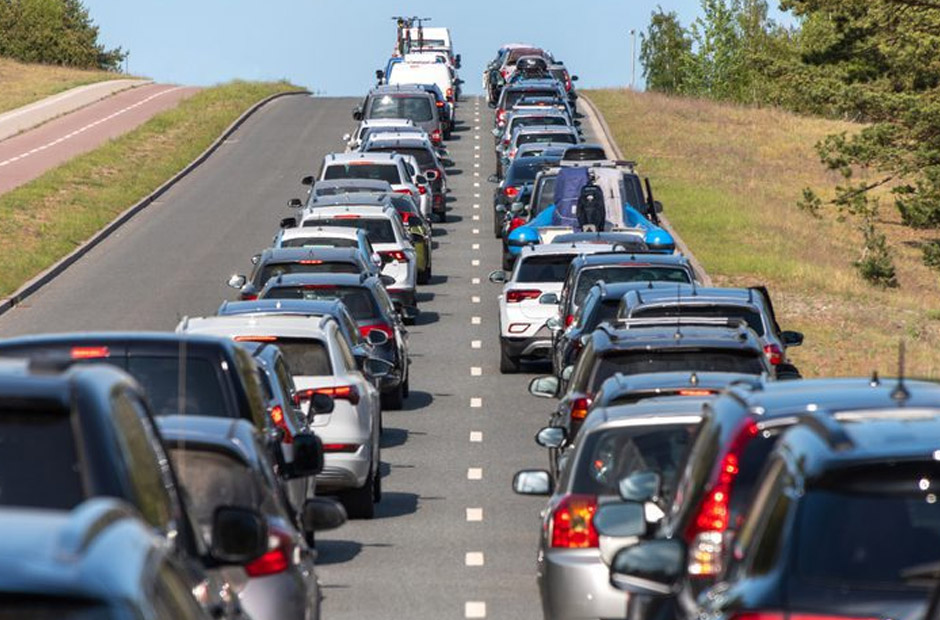
Sudden stops in traffic can happen without warning. One moment you’re driving smoothly, and the next you’re hitting the brakes. In heavy traffic, these quick stops can cause chain reactions that affect multiple lanes. A small delay can quickly lead to serious accidents.
Chain reaction crashes often occur in crowded areas during rush hour or stop-and-go traffic. These accidents usually involve several vehicles, making them more complex than typical two-car crashes. Understanding how they develop highlights that responsibility may not rest on just one driver.
How Chain Reaction Accidents Begin in Dense Traffic
A sudden stop in heavy traffic rarely affects just one vehicle. A Fullerton car accident lawyer at Avant Law Corporation often sees how one driver’s delayed reaction can quickly involve several others behind them. When a lead vehicle brakes unexpectedly, every driver behind must react within seconds. If even one driver is too close or not fully attentive, the impact can ripple backward through traffic.
These situations are made worse when traffic is already tight and moving at inconsistent speeds. Drivers may feel pressured to stay close to avoid being cut off or losing position. This reduces the margin for error and increases the likelihood of a collision. Once an impact occurs, the force can push vehicles into one another, creating a chain of crashes.
Why Following Distance Plays a Critical Role
The following distance is one of the most important factors in preventing chain reaction accidents. In heavy traffic, drivers often reduce the space between vehicles without realizing the risk. When there is not enough distance, there is little time to react to sudden stops. Even a brief moment of distraction can make a difference.
Maintaining a safe gap gives drivers more time to respond and adjust their speed gradually. It also allows for smoother braking instead of abrupt stops. In crowded conditions, increasing following distance may feel inconvenient, but it significantly reduces the chance of a multi-vehicle collision. Small adjustments in spacing can prevent major accidents.
The Impact of Driver Reaction Time
Reaction time plays a major role in how these accidents unfold. When a driver sees brake lights ahead, they must process the situation and respond quickly. Even a delay of one or two seconds can be enough to cause a collision. Factors such as fatigue, distraction, or stress can slow reaction time.
In heavy traffic, the need for quick responses is constant. Drivers must stay alert and anticipate changes ahead. When attention drops, even briefly, the risk increases. Reaction time becomes even more critical when multiple vehicles are involved in a sudden stop.
Common Triggers That Lead to Sudden Stops
Sudden stops in traffic can occur for many reasons, often without notice. These stops can confuse drivers and cause quick braking, increasing the risk of accidents. Understanding these triggers helps drivers stay alert.
Here are common situations that often lead to sudden stops:
- Drivers are slowing abruptly due to congestion ahead that is not visible from behind
- Lane changes that force nearby vehicles to brake unexpectedly
- Road hazards such as debris, construction zones, or uneven pavement
- Accidents further ahead that cause traffic to halt suddenly
- Distracted driving that leads to delayed braking and sudden corrections
These triggers can happen quickly and without warning, making awareness essential.
Multi-Vehicle Collisions and Complicated Liability
Chain reaction accidents often involve several vehicles, making it challenging to determine fault. Each driver’s actions are assessed to see how the crash happened. Sometimes one driver is mainly responsible, while other times, multiple drivers share blame, complicating claims and legal processes.
Insurance companies look at factors like the following distance, speed, and driver behavior. Evidence such as photos and witness statements helps clarify the situation. Understanding liability is essential for resolving these cases.
The Physical Impact of Rear-End Chain Collisions
When several vehicles collide quickly, the impact can be serious. Drivers and passengers may experience sudden jolts that cause injuries like whiplash or back strain. The force of one crash can carry through multiple vehicles, making injuries more complicated than in single-impact accidents.
Even low-speed collisions can cause significant discomfort when multiple impacts occur. The body may be subjected to repeated movement in a short period of time. Over time, these injuries can affect mobility and daily activities. A proper medical evaluation is important after any chain reaction crash.
How Traffic Conditions Increase Risk
Heavy traffic creates an environment where sudden stops are more likely to happen. Stop-and-go movement, frequent lane changes, and varying speeds all contribute to instability on the road. Drivers must constantly adjust their speed and position, which increases the chance of mistakes. The more congested the traffic, the higher the risk.
Environmental factors can also play a role. Poor weather, low visibility, or road construction can make conditions even more unpredictable. These factors reduce reaction time and increase stopping distance. Being aware of these conditions helps drivers adjust their behavior accordingly.
Preventive Driving Habits That Make a Difference
While chain reaction accidents can happen quickly, there are ways to reduce the risk. Defensive driving habits can help drivers stay prepared for sudden changes in traffic. Small adjustments in behavior can make a significant difference in preventing collisions.
Drivers who stay alert, maintain a proper distance, and anticipate traffic patterns are better positioned to avoid accidents. Smooth braking and gradual speed adjustments can help prevent sudden stops. Avoiding distractions also plays a key role in maintaining awareness. Consistent attention helps reduce the likelihood of being caught off guard.
Why Awareness Is Key in Heavy Traffic Situations
Heavy traffic needs more attention than regular driving. Drivers should watch not only the car in front of them but also what’s happening further down the road. By predicting changes, drivers can react more smoothly and avoid sudden stops. Being aware creates a safer driving experience for everyone.
Knowing the risks of sudden stops can change how drivers handle busy roads. Staying alert and making small adjustments can lower the chances of accidents. In heavy traffic, awareness is one of the best ways to stay safe.